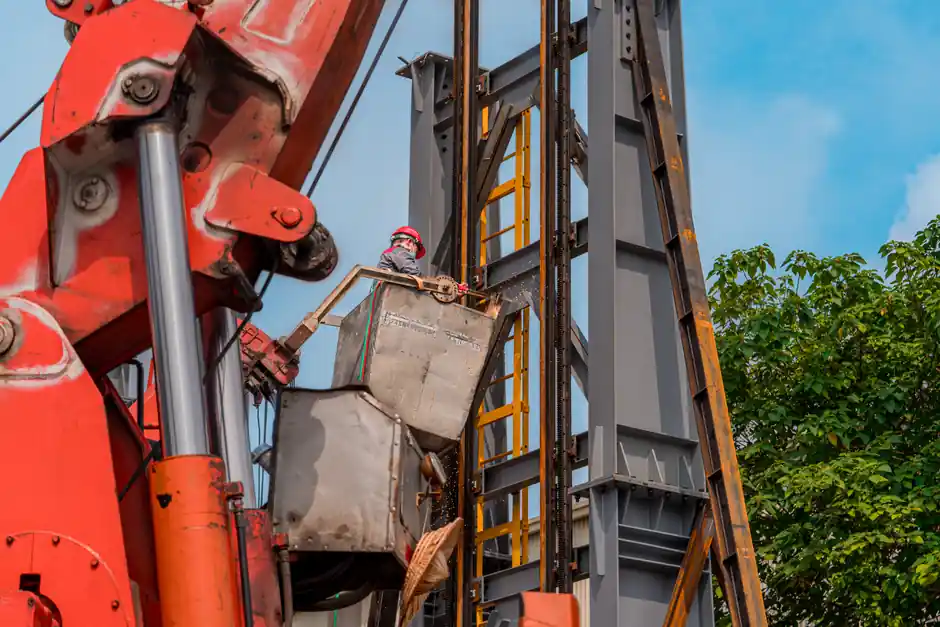
Landscaping shotcrete jobs (pool shells, retaining walls, artificial rock, slope facing, and garden ponds) typically demand 30–40 m³/h wet-mix output, a 15–16 m boom reach, and aggregate handling up to 25 mm, based on the 2026 wet-mix machinery class [S3][S5].
The right machine is sized from three numbers: total area in m², design thickness in mm, and required daily output. For a typical 1,000 m² slope at 75 mm thickness, volume is 75 m³, which a 30 m³/h wet rig completes in roughly 2.5 hours of pure spray time, not counting setup and rebound [S2][S3].
Wet vs Dry Process for Landscape Concrete
Wet-mix shotcrete machines pre-mix water, cement, aggregate, and admixtures before pumping, which drops rebound below 10% versus 15–30% for dry-process rigs, and cuts dust generation to a level that lets crews work in occupied gardens and near homes without respiratory complaints [S3][S5][S10].
Dry-process rotor machines such as the PZ-5 class deliver only 4–5 m³/h, which is too low for any landscaping job over about 200 m², and their rebound band runs 2–20% depending on operator skill and hose length [S1][S10]. For decorative garden rock, faux-stone fascia, and small pond repairs under 50 m², dry-mix is still useful because water adjustment happens at the nozzle, letting the nozzleman tune the mix for sculpted detail [S1][S8].
Key Selection Criteria for Landscaping Rigs
Landscape work is mostly outdoor, on uneven ground, and often far from grid power, so a 4-wheel-drive chassis with 20°–29% gradeability and a diesel main engine is the default, with electric only for sites that have three-phase on the property [S3][S5]. The 2026 wet-mix class (YG-3016 / YG-4016 pattern) ships at 14–15 t total weight, 7,770–7,880 mm length, and 2,460 mm width, so access through a standard 3 m garden gate is impossible and crews must plan machine entry before excavation [S5].
Boom reach drives productivity more than peak output: a 16 m spray height and 25 m spray width on a 4-section boom covers most residential slopes and 2-storey pool walls without repositioning, while main boom luffing of 0°–65° and slewing of 310° handle curved retaining walls without dead spots [S5]. For pool interiors, the smaller hose-end shotcrete machine variants (concrete output 20–30 m³/h) are a closer fit than the 40 m³/h tunneling class, since the bottleneck is hose handling inside the shell, not raw volume [S7].
Aggregate, Pump Pressure, and Mix Design
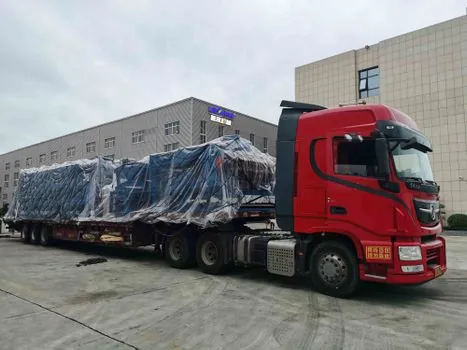
Maximum aggregate size for the 30–40 m³/h landscaping class is 15–25 mm with ≤25 mm as the published ceiling, and crushed stone up to 15 mm is the safe operating band for the double-cylinder hydraulic pumping system that dominates the 2026 model year [S3][S5]. Concrete discharge pressure is rated at 7.5 MPa at the hopper, with main pump pressure needing to reach 15–20 MPa for high-altitude or long-distance pumping on tall slope sites, per OEM guidance [S5].
Concrete pipe diameter is Φ90 mm and nozzle outlet is Φ50 mm on the YG class, which sets the minimum bend radius crews can run without choking; a Φ90 mm hose needs at least a 1.5 m gentle bend, not a sharp 90° turn, to keep pulsation down and prevent blockages during a 4-hour continuous pour [S3][S5]. Accelerator pump maximum discharge pressure of 1.8 MPa is sized to feed set-accelerator into the nozzle at a ratio that holds even when the main pump ramps, so the dose stays consistent on the rock face as the operator moves the boom [S5].
Sizing Calculation: Area, Thickness, and Output
The area number on a slope or pool shell is a surface number, not a volume: a 2,000 m² slope at 100 mm design thickness is 200 m³ of shotcrete, which a 40 m³/h wet machine can place in about 5 hours of spray time, but a 30 m³/h unit needs 6.5 hours, and a 20 m³/h handheld or robotic manipulator needs 10 hours before rebound and waste [S2][S3]. Design thickness in landscaping is typically 50–150 mm, with 75–100 mm being the most common band for residential pool shells and garden retaining walls [S2].
Output class comparison for landscaping: 4–5 m³/h dry-mix (PZ-5) suits only small decorative patches and artificial-rock sculpting; 20–30 m³/h robotic wet-mix (KS80 class with 4-telescopic boom at 0–25 m³/h programmable) suits pool interiors and complex-shaped garden features where reach matters more than volume; 30–40 m³/h truck-mounted wet-mix (YG-4016 pattern) is the workhorse for retaining walls, pond shells, and slope facing over 500 m²; above 40 m³/h the rig crosses into full tunnel-class machinery that is over-spec for landscaping [S3][S5][S7].
Site Logistics: Compressor, Chassis, and Access
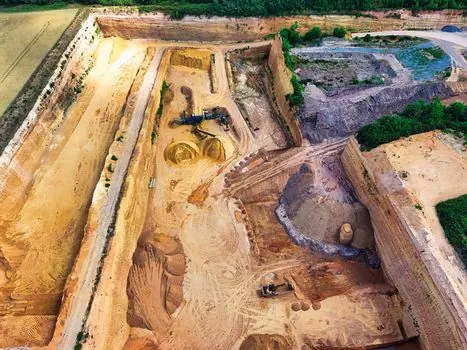
A 30–40 m³/h wet machine draws an onboard or towed air compressor at 15–20 m³/min for nozzle atomization, and integrated compressor packages remove the need to tow a separate unit on soft garden ground where a second vehicle would rut the lawn [S3]. Minimum tunnel or passage size for safe operation is about 4 m clear width, and transport envelope is 7.9–9.5 m long × 2.6–2.8 m wide × 3.3 m high, so landscaping projects with narrow side-access streets need a smaller 20 m³/h class or a trailer-mounted unit instead [S3][S5].
For outdoor slope jobs, OEM guidance is to use diesel power rather than electric, because pulling 380 V cables across a 100 m garden creates trip hazards and voltage-drop problems that show up as pulsation at the nozzle [S5]. Wireless remote control on the 2026 class keeps the operator 10–20 m back from the spray cone, which matters when working above water in a pool shell or on a 4 m retaining wall where rebound and mist can hit a closer operator in the face [S3][S5].
Decision Map: Which Class for Which Landscape Job
Under 200 m² decorative or repair work: dry-mix rotor at 4–5 m³/h, manual nozzle, rebound budget 15–20%, expect 1–2 operators. 200–500 m² pool shells, garden ponds, and small retaining walls: wet-mix 20–30 m³/h robotic or trailer-mounted, double-cylinder pump, aggregate ≤15 mm. 500–2,000 m² slope facing and large retaining walls: wet-mix 30–40 m³/h with 16 m boom, diesel chassis, ≤10% rebound, aggregate ≤25 mm. Above 2,000 m² commercial landscaping or highways-adjacent slope protection: 40 m³/h class with integrated 15–20 m³/min compressor, 4 m minimum passage, 17–20.5 t total weight [S1][S2][S3][S5].
The wrong pick is recognizable on day one: rebound over 15% on a wet rig means aggregate is too large or the accelerator pump is out of sync; pulsation at the nozzle means the main pump pressure is below 15 MPa on a long hose run; dust clouds on a wet rig mean the water dosing at the hopper is wrong, not a process limitation [S5]. For interior pool shell work, the selection logic is closer to the shotcrete machine selection for interior pool finishing case than the slope-protection case, and crews used to demolition spraying should not assume the same rig will handle a sculpted pool interior [S1].
Standards, Verification, and Trackable Signals
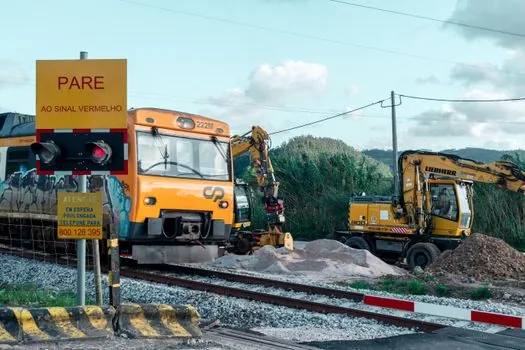
No single ISO or EN standard governs landscaping shotcrete equipment selection in the research, so the verification path is OEM spec sheets matched to the project area and thickness table above, plus a trial pour on the first 50 m² to confirm rebound is actually under 10% before committing the full mix design [S3][S5]. Aggregate certification, accelerator pump calibration, and boom reach test (cycle the boom to maximum height and full slew before any concrete is loaded) are the three field checks that catch 80% of specification errors on landscape jobs.
Trackable next signals to watch: 2026 model-year launches extending the small-class (≤20 m³/h) wet-mix range down to 2.5 m machine width for residential side-access, and onboard accelerator pumps with closed-loop dosing tied to the main pump stroke counter rather than a simple ratio valve, since that change is what closes the rebound gap between robotic and truck-mounted wet rigs in the published data [S3][S5][S7].
Component reference pages worth checking: coding machine, and core machine.