
Double-wall corrugated packaging uses 2 fluted layers and 3 liners, providing greater rigidity, crush resistance, and impact protection than 3-layer single-wall packaging [S1][S3].
Use double wall for dense machinery components, palletized loads, and multi-leg shipments; use single wall for light, non-fragile parts in controlled distribution where box cost and weight dominate [S2][S5].
Wall Construction and Selection Criteria
A single-wall box has 1 fluted medium between 2 flat liners, while a double-wall box has 2 fluted layers separated by 3 liners. Double wall adds material, rigidity, and resistance to crushing, making it better suited to heavier or more fragile products [S1][S4].
Flute selection can change performance within either wall count. Double-wall boxes can be engineered with flute combinations such as BC or EB to balance cushioning and stacking strength [S6]. Double-wall boxes can use combinations such as BC or EB to balance cushioning and stacking strength [S1][S6].
Do not select by wall count alone. Define the maximum part weight, pallet footprint, stack height, handling points, moisture exposure, abrasion exposure, and distribution route before approving the carton. Specify measurable criteria such as edge crush strength, box compression performance, and drop or vibration exposure [S3].
Strength, Impact, and Stacking Comparison
Double wall adds rigidity and crush resistance and is a better fit for heavier or more fragile products [S1]. Its additional fluted medium resists deformation and impact better than single wall, which can dent or collapse when loaded heavily or handled roughly [S1][S4][S5].
The governing comparison is not box price alone. A higher purchase price for double wall can be offset by fewer damaged parts, return handling costs, replacement freight, and production interruptions. A packaging sample can compare incremental material expense with observed claim and handling costs [S3].
Heavy Machinery Parts: Suitable Load Profiles
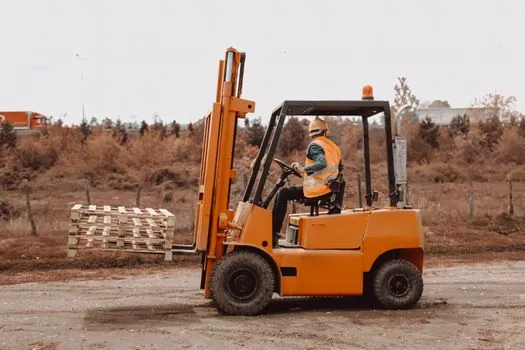
Double-wall corrugated is appropriate for industrial machinery parts, heavy electronics, cast components, and other dense goods that may puncture a single-wall panel. Double wall increases protection and stacking capacity at a higher material cost, which can make it more suitable where stacking demands or transit risks are greater [S3][S4][S5].
The carton still needs engineered internal restraint. A double-wall shell cannot prevent motion inside the box; inappropriate void fill can allow impact energy to reach the part, while excessive empty space permits the load to shift. Fit the carton closely to the component, immobilize the part at multiple contact points, and use cushioning suited to the part geometry and sensitivity [S7].
For parts that remain in a returnable logistics loop, the turnover box format can support repeated handling, but its board grade, fastening method, and internal restraints must be validated for the actual machine part and service cycle.
Single-Wall Use Cases and Cost Boundaries
Single-wall corrugated is suitable for light shipments with minimal stacking demand [S3]. It is easy to fold, store, and handle, and its lower material cost and tare weight reduce packaging expense and freight charges [S2][S4][S5].
The limitation is structural margin. Double wall provides greater rigidity and crush resistance and absorbs more energy, reducing penetration and damage from drops, strapping, forklift tines, or rough handling [S2][S3]. If the part is heavy, stack loads are significant, or the shipment crosses uncontrolled handling points, the lower board cost may be outweighed by damage risk [S2][S3].
A practical boundary is to retain single wall only when the assembled carton passes the specified load and transit tests with margin. The box must still be appropriately sized and packed, with internal restraint and protection that prevent direct contact between the part and the box [S7].
Flute Profiles, Sizes, and Packing Design
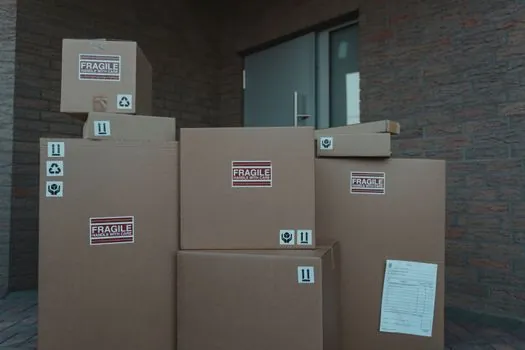
BC and EB are established double-wall flute combinations, but the correct combination depends on whether stacking strength, cushioning, surface firmness, or package dimensions control the design [S6].
Keep the machinery part clear of walls and unsupported void space, and secure it so vibration and impacts do not create a hammer effect. Cushioning performance must be matched to part mass, geometry, contact area, and fragility, not to the wall count alone [S7].
For packaging comparisons, test the proposed size and flute combination rather than relying on a generic box label. The edge crush test addresses short-span compression resistance, while box compression testing evaluates loaded carton performance;
Validation, Failure Modes, and Sourcing
Carton failure usually begins when wall construction, dimensions, and internal packing do not match the load. Relevant failure modes include collapse under pallet pressure, puncture from strapping or forklift tines, and impact damage during rough handling [S1][S3][S4].
Set minimum board and finished-carton performance requirements, then validate representative packed units with compression, drop, and vibration testing that reflects the actual carrier and route. Define maximum product weight, pallet stack height, handling points, moisture exposure, and abrasion exposure as part of the purchase specification [S3].
For machinery parts above the practical carton range, compare the carton with engineered alternatives before release. Wood crate versus carton box for heavy machinery parts covers the escalation decision, while Triple wall is the heavy-duty corrugated-board option for very heavy loads [S1].
The next procurement checkpoint should record the selected wall count, flute combination, finished dimensions, maximum gross weight, stacking condition, internal restraint method, and required test results, then release the package only after representative samples pass.