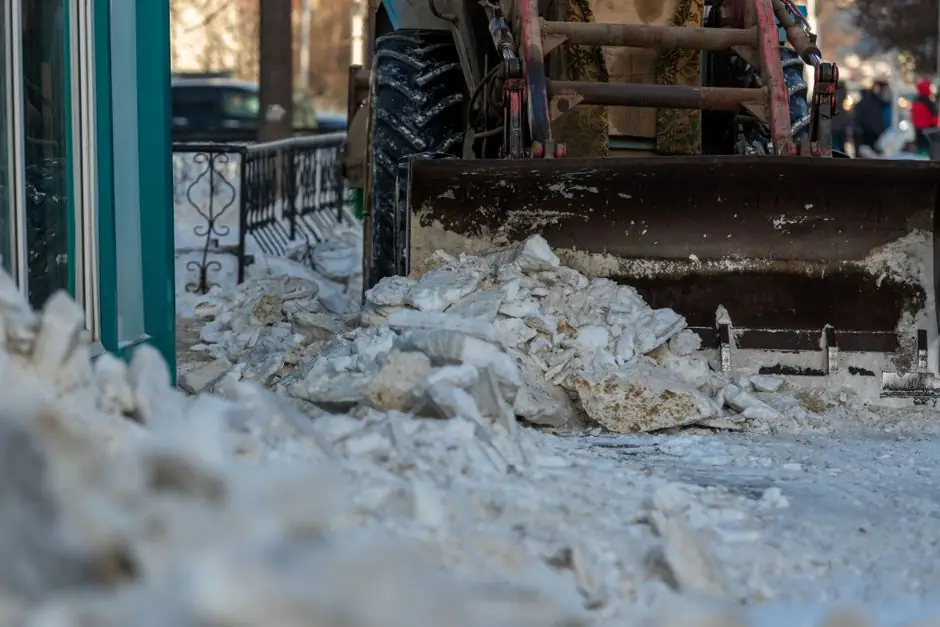
Standard-flow skid steers, also called low-flow machines, range between 18 and 25 gallons per minute and are commonly used to power snow attachments such as plows, pushers, and blowers [S1].
For high-capacity snow blowers, a high-flow chassis delivering 30 to 45 gpm is mandatory because the auger, impeller, and chute rotator all need motorized hydraulic drive, not just cylinder motion [S1]. Selection therefore begins with three questions: what attachment will run, what surface is being cleared, and how the operator enters the cab in winter conditions.
Hydraulic flow: where low-flow ends and high-flow begins
Low-flow (standard-flow) auxiliary hydraulics on a skid steer move 18 to 25 gpm at a typical operating pressure near 3,000 psi; high-flow machines move 30 to 45 gpm at the same pressure class [S1]. Hydraulic horsepower is calculated as (gpm x psi) / 1,714, so a 23 gpm machine at 3,000 psi yields about 40 hydraulic hp at the attachment, while a 40 gpm high-flow unit delivers close to 70 hp [S1].
Snowplows, snow pushers, and angle blades only need cylinder motion, so a standard-flow chassis covers them. A high-capacity snow blower such as the SnowWolf UltraBlower adds a motor on the auger, a motor on the impeller, a chute-rotator motor, and a tilt cylinder, which is the trigger to spec high-flow [S1]. High-flow machines also accept low-gpm attachments, so buyers running mixed summer and winter fleets can standardize on one chassis [S1]. The same hydraulic logic drives attachment selection on compact track loaders and skid steers, where high-flow is the limiting factor for any motorized snow tool [S4].
Wheels vs tracks: matching undercarriage to the surface being plowed
Wheeled skid steers concentrate machine weight through small contact patches, which preserves agility on hard, icy pavement and lets operators turn inside their own length. Tracked compact loaders spread weight across a longer, wider footprint, which gives better flotation on soft ground, fresh snowfall, and uncompacted gravel [S4].
For roads, parking lots, and other hard surfaces, wheeled skid steers with purpose-built snow tires or chains typically outperform tracks because rubber compounds bite ice and the machine can be driven at higher ground speeds between passes [S3]. For sites with soft subgrade, turf, or steep access drives, a tracked compact track loader keeps the machine moving when a wheeled chassis would sink or spin [S4]. The choice is site-driven, not brand-driven, and operators running both surface types often keep one of each.
Size class, access, and the productivity-per-pass trade
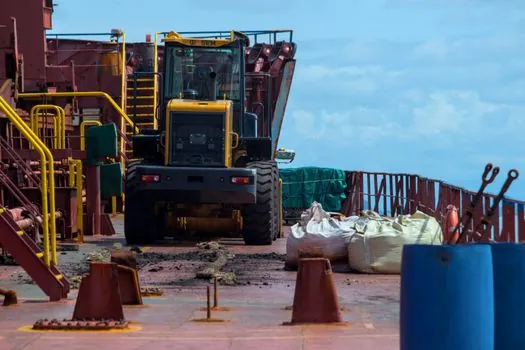
A mid-size or compact skid steer (roughly 1,500 to 2,200 lb operating weight) is the more profitable pick for residential driveways, narrow alleys, and gated lots, because the chassis fits through a standard 36-inch gate and the lighter footprint leaves fewer ruts in client turf [S3]. Larger frames in the 3,000 to 4,000 lb class push more snow per pass and carry heavier high-flow attachments, but they tear up soft ground, get stuck in tight courtyards, and cost more to trailer.
Attachment width should be matched to the run, not the machine: an 84-inch or 96-inch pusher or blade outperforms a 72-inch tool on long, open lots regardless of skid-steer size, because each pass moves roughly 25 to 35% more volume by area [S2]. For municipal sidewalks and narrow commercial fronts, a 60 to 72-inch tool keeps productivity high without sacrificing the maneuverability that makes a skid steer worth running in the first place. Buyers who already use backhoe loaders for site work often add a compact skid steer as the dedicated winter machine, splitting duties by access width rather than engine power.
Operator environment: cab access, visibility, and winter fatigue
Snow work is one of the highest slip-and-fall exposure tasks in equipment operation, and a 30-year snow contractor has publicly reported broken jaws and wrists from climbing onto and off of skid steers with snow packed against the push box [S5]. Side-entry cab designs from manufacturers such as Volvo and JCB eliminate the climb-over step and are built on a common single-arm loader architecture, but operators have reported bending a loader arm after a curb impact, with the side-entry format constraining structural redundancy [S5].
For sub-freezing shifts, an enclosed heated cab with LED work lights, a suspension seat, and joystick controls is not a comfort line item; it is a productivity and safety requirement that keeps an operator on the machine for a full 10 to 12 hour storm cycle [S3]. Larger aftermarket snow tires (for example, Michelin skid-steer snow tires in sizes larger than the factory fitment) measurably improve traction and roading speed, according to contractors running plowing fleets in heavy-wet snow regions [S5].
Attachment matrix: which tool runs on which flow class

Five attachment families dominate winter work, and they map cleanly to flow requirements. Snow blades and snow pushers only need cylinder power for angling and lift, so they run on any standard-flow chassis. Snow buckets add a lift-and-carry function for loading trucks or stacking piles, again within standard-flow capability. Snow blowers are the only category that splits: small single-stage blowers can run on standard-flow, while high-capacity two-stage blowers with separate auger and impeller motors require high-flow [S4].
Comparing the main options against four decision criteria, the practical mapping reads: standard-flow pusher (low cost, low horsepower, paved lots, light to moderate snow), high-flow two-stage blower (high cost, 30 to 45 gpm required, deep or wet snow, long throw distance), wheeled chassis (faster roading, better on ice, lower ground disturbance), tracked chassis (better flotation, slower roading, soft ground and uneven terrain) [S1][S3][S4]. Buyers who also operate wheel loaders for aggregate handling will find the flow-rate and weight-class logic familiar, even though the controls and tire options are not interchangeable.
Used-market and budget reality check
A used wheeled skid steer in the $15,000 to $20,000 band with under 2,500 hours covers the bulk of single-property residential and small-commercial snow work in regions such as Massachusetts, where annual use rarely exceeds 20 hours and most storms are wet and heavy rather than light and fluffy [S5]. The premium for a high-flow chassis on the used market is real and should be paid only if a two-stage blower is on the attachment list; for blade-and-pusher-only fleets, a standard-flow machine is the right economic answer [S1].
For mixed commercial snow and landscaping fleets, the equipment is the same machine year-round, which is the strongest economic argument for ownership: the chassis earns its keep on summer digging, milling, or brush work, and the same high-flow hydraulics that drive a stump grinder in July drive a high-capacity snow blower in January [S1][S4]. Snow work also pairs naturally with adjacent equipment categories covered in spec references for dump trucks plowing snow and aerial work trucks for snow removal fleets, where chassis selection, ballast, and lift specs follow similar site-fit logic.
The next decision node is the side-entry cab question: a contractor buying one machine should test a Volvo or JCB side-entry chassis in person before signing, because the single-arm loader geometry changes curb-impact behavior and warranty response compared with a traditional twin-arm Bobcat or Cat layout [S5].