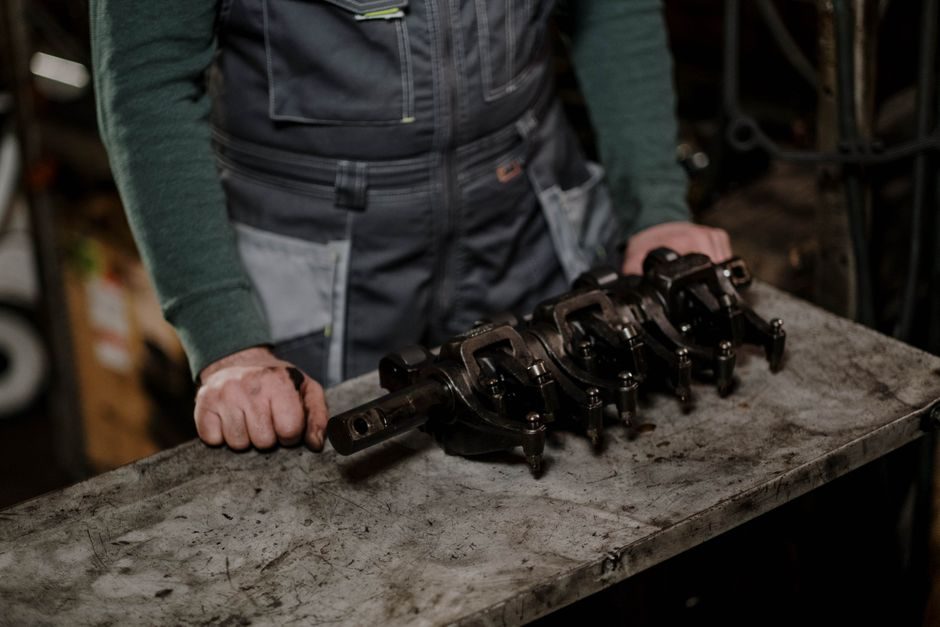
Process engineers sizing a gravity die casting machine should anchor the spec on four numbers: clamping force 50–800 kN, platen dimensions 400×400 to 900×900 mm, melt capacity 5–150 kg for aluminium or 30–300 kg for copper/zinc alloys, and PLC + touchscreen control with imported hydraulics [S8]. A brass, aluminium or zinc alloy handle-machine in the same class lists for roughly US$10,000–400,000 per unit on the China trading-platform band [S2].
Gravity die casting sits below high-pressure die casting and above sand casting on the pressure and cost axis, and that band defines both the part envelope and the supplier map buyers actually see. The CENS platform indexes 58698-category gravity casting suppliers, with vehicle parts and bathroom fittings dominating the buyer mix [S1]. Practical buyer-side volume on the matching made-in-china gravity die casting cluster is published in multi-search form, with quoted FOB price ladders on machine + mould bundles [S5].
What a Gravity Die Casting Machine Actually Is
A gravity die casting machine is a vertical clamp-and-tilt rig that closes a metal die (permanent mould) under mechanical or hydraulic force, then pours molten metal into the cavity under gravity alone — no high-pressure injection, no vacuum assist [S8]. The process differs from a vacuum die casting machine, which evacuates cavity air before pour, and from the standard die casting machine class that injects metal at 30–100 MPa. Gravity machines trade cycle speed and density for lower tooling cost and simpler maintenance, which is why they dominate brass sanitary-ware, aluminium valve bodies and small zinc hardware rather than thin-wall phone frames.
Industry classifications treat it as a near-twin of low-pressure casting on the equipment-cost side; the related 2026 supplier-map piece on low pressure die casting machines places the comparable OEM band in the same Ningbo–Shenzhen corridor where most gravity units are built. For buyers who need the melt-and-tilt action in permanent moulds but at higher part density, aluminium die casting machine platforms — typically hot-chamber or cold-chamber high-pressure units — sit in a different procurement lane and should not be confused with the gravity class on price or cycle time.
Selection Criteria: Force, Platen, Melt, Control
Clamping force is the first gate. Entry brass-handle rigs run 50–150 kN; mid-size aluminium valve-body machines run 200–400 kN; automotive structural-insert and large pump-housing cells run 500–800 kN. Wuxi Mac lists its gravity die casting line in that 50–800 kN bracket, with PLC + touchscreen control and imported hydraulic valves, aimed at brass and zinc alloy moulds [S8]. On a gravity die casting machine spec sheet, treat clamp tonnage the way you treat injection tonnage on a plastic moulding machine — it is the dominant cap on part projected area and depth.
Platen size, melt capacity and shot weight set the second envelope. Typical platen footprints run 400×400 mm to 900×900 mm, with melt capacity 5–150 kg for aluminium and 30–300 kg for copper/zinc variants; the die height adjust range, ejector stroke and tie-bar spacing must all be matched to the largest single part in the cell [S8]. The broader machine class — including zinc die casting machine and magnesium die casting machine lines — uses the same envelope logic, but zinc and magnesium are typically poured on hot-chamber high-pressure rigs, not gravity units, so a buyer asking for a "zinc gravity machine" usually ends up with a brass or aluminium cell.
Control architecture and auxiliaries close the spec. PLC + touchscreen is the de-facto 2026 baseline [S8]; the optional layer is die-temperature control, automatic spray, robotic pour, and closed-loop tilt, all of which lift throughput and repeatability on multi-cavity brass dies. Die-set steel grade, ejector pin layout, and water-channel machining should be reviewed against the casting alloy, because copper-alloy dies push the steel spec toward H13-class hot-work tooling rather than the lower-cost P20 used on aluminium permanent moulds.
Who the Machine Is For — and Who It Is Not For
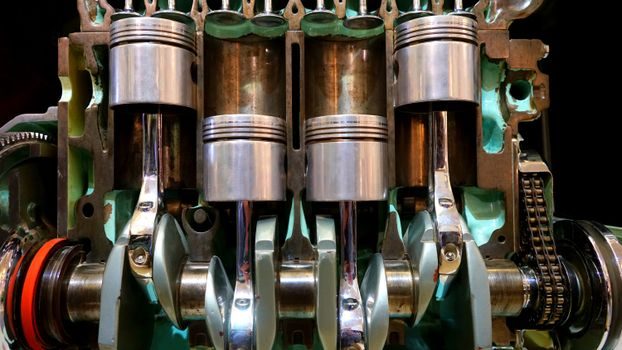
Gravity die casting fits medium-volume (≈1,000 to 200,000 parts/yr per cavity), medium-weight (0.1–15 kg) parts in copper, aluminium or zinc alloys, where surface finish and mechanical properties must beat sand casting but where high-pressure die casting capex is unjustified. The CENS buyer index in the gravity category is dominated by bathroom fixtures, auto parts and general metal-forming shops [S1]. Goldsupplier listings reflect the same end-use mix, with brass / aluminium / zinc door handles, faucet bodies, sanitary ware and valve-plate castings the typical product reference [S7].
It is the wrong machine class when the buyer needs thin-wall consumer-electronics enclosures (use a hot-chamber or cold-chamber high-pressure die casting machine instead), large steel or iron castings above ~50 kg (use sand or shell moulding), or aerospace-grade magnesium structural parts (use a magnesium die casting machine with vacuum / SF6 cover gas). If the part is a low-volume titanium medical implant, the related titanium alloy selection guide covers the upstream material decision, but the casting step is investment casting, not gravity die casting.
Options Compared: Gravity, Low-Pressure, Vacuum, High-Pressure
Four die-and-mould machine classes compete for the same RFP — gravity, low-pressure, vacuum and high-pressure. On cycle time, density and capex they are not interchangeable. The comparison below lines the 2026 sourcing reality of each class against four buying criteria: [S1]
1. Gravity die casting machine — cycle 60–180 s/cavity; capex US$10,000–400,000 [S2][S8]; best for brass / aluminium valve bodies, faucet bodies, small structural parts; density roughly 95–98% of theoretical on a well-vented die.
2. Low-pressure die casting machine — cycle 90–300 s; capex roughly 2–4× the gravity band; best for aluminium wheels, suspension arms, large thin-wall panels; density typically higher and porosity lower than gravity because metal rises under 0.3–0.8 bar air pressure [S1].
3. Vacuum die casting machine — cycle 90–240 s; capex 1.5–3× the gravity band; best for aluminium structural parts where porosity must be minimised (automotive chassis nodes, electronic housings); density can approach 99% on evacuated-cavity builds [S1].
4. High-pressure die casting machine (hot-chamber zinc / cold-chamber aluminium) — cycle 2–30 s; capex US$200,000–2,000,000+; best for thin-wall, high-volume consumer parts; density 96–99% but with trapped-air porosity on thick sections.
The 2026 vacuum-class OEM cluster map and the low-pressure machine supplier map confirm those capex ratios against the gravity band, with the food-grade aluminium subset — covered in the food-grade low-pressure die casting spec piece — sitting at the high end of the low-pressure band because of stainless melt-handling and sanitary framing.
Real Use Cases and Sourcing Reality
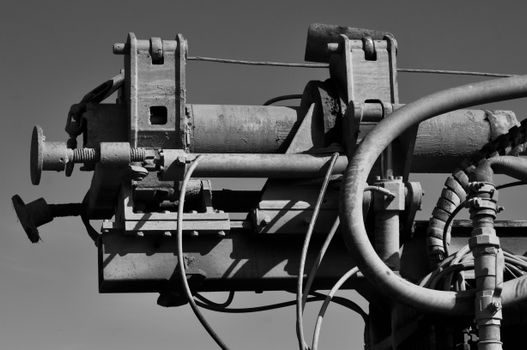
Brass door-handle and faucet-making cells are the most cited application on the China trading-platform listings: a single gravity die casting machine in the 100–300 kN clamp range, 500×500–700×700 mm platen, 30–150 kg brass melt, paired with a 4-cavity polished die, delivers the cycle and finish the sanitary-ware market demands [S7][S8]. Made-in-china's multi-search index of gravity-die-casting products lists the same end-use cluster — aluminium agricultural machinery housings, brass valves, zinc hardware — under ODM/OEM contract terms [S5].
Aluminium valve plates and pump-iron castings cross over into squeeze-cast territory for higher integrity; the squeeze-casting vs pharmaceutical packaging piece walks the pressure/cycle trade-off for buyers who need T6 heat-treated aluminium plates without the porosity penalty of gravity. For high-volume hot-chamber zinc and magnesium units the supplier map differs entirely — Alibaba's 2026 hot-chamber supplier index lists 1,246 suppliers with response-rate tags around 91.6%, dominated by Chinese OEM-exporters [S6]. That pool is the parallel market for buyers whose part profile actually fits hot-chamber high-pressure and not gravity die casting.
Limitations, Failure Modes, Standards to Enforce
Gravity die casting's main failure modes are gas porosity, shrinkage cavities at hot spots, cold shuts on long fills, and die-cycle thermal-fatigue cracking on copper-alloy runs. The mitigation is die temperature control within ±10 °C of the target pour window, controlled pour stream (manual lip-pour or robotic pour), proper venting at cavity extremities, and riser sizing on thick sections. Buyers should also enforce incoming raw-material traceability: brass ingot to ASTM/EN copper-alloy designations, aluminium to a recognised 1xx/3xx/4xx series, and zinc to a specified ZAMAK grade, with melt chemistry certificates on each heat. [S2]
On the equipment side, the buyer should require CE / GB machinery-safety conformance, hydraulic-system test certificates to ISO 4413 or equivalent, electrical control to IEC 60204-1, and noise-emission data declared to ISO 11201 — these are the four standard gates the S8 supplier spec implicitly references through its PLC + imported-hydraulics build [S8]. For foundries exporting to the EU, the additional REACH and RoHS material-restriction gates apply to the cast part, not the machine, but the machine still needs a Declaration of Conformity per the Machinery Directive for installation at an EU site.
Verifiable next node: when the buyer has the part CAD, target alloy and annual volume, request a 4-cavity die quotation against a US$10,000–400,000 machine + die bundle, a 90-day sample-delivery timeline, and a 12-month warranty covering hydraulic and electrical components, then run a 2,000-shot first-article sample before signing the production PO. Trackable signals to watch between 2026-07 and 2026-12 are the YIZUMI semi-solid and integrated-die-casting programmes, which sit in the higher-pressure class but will shift the gravity-vs-high-pressure boundary in mid-volume structural-part bids [S3].