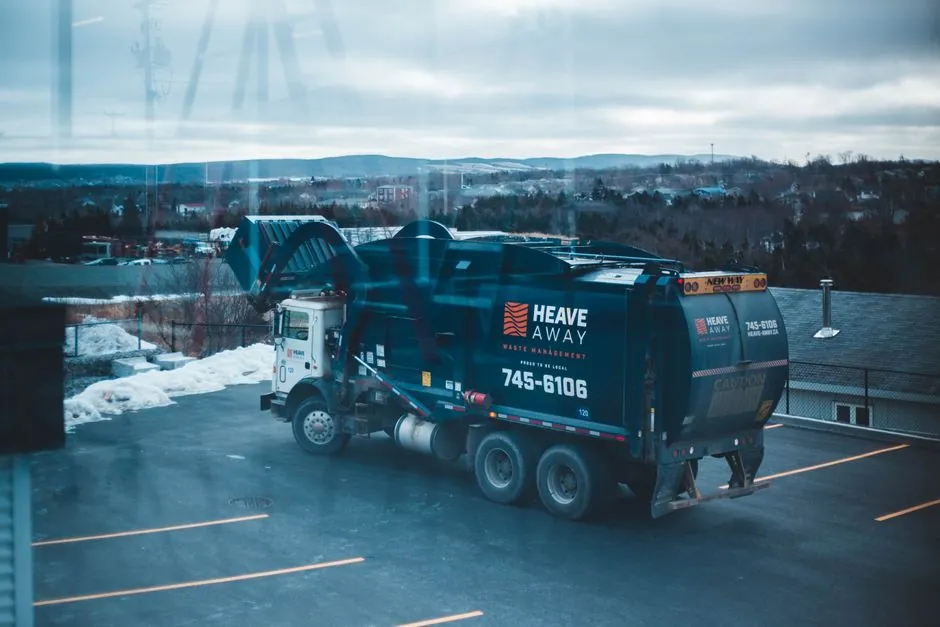
Urban infrastructure haulage in 2026 is dominated by three configurations: the 4×2 / single-axle light tipper for tight street work, the 6×4 tandem as the all-round workhorse, and the 8×4 tri-axle for demolition tonnage [S1][S5].
Body volume for general engineering sits in a 15–25 m³ window, while daily payloads above 50 tonnes push specifiers toward 8×4 or 6×6 heavy chassis with reinforced axles and wear-resistant steel bodies [S1]. The decision below is built from axle configuration, engine power, body geometry, and road-law compliance, with one comparison table and one citable vendor figure.
Why axle count is the first gate on a city project
Axle configuration sets the Gross Vehicle Weight Rating (GVWR), which sets the legal payload, which sets the per-trip cost [S5]. In a dense urban site, a single-axle tipper with a short wheelbase navigates alleys and backhoes-loaded curb cuts, but its single rear axle caps payload volume and triggers GVWR fines on most city arterials [S5].
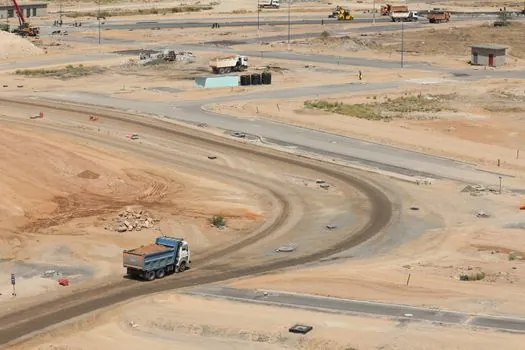
A tandem-axle 6×4 balances that trade-off: it carries substantially more per cycle than a 4×2 yet still threads residential gateways, which is why it is the default for most small-to-medium paving and utility cuts [S5][S7]. A standard tandem remains, in the words of one fleet reference, "the workhorse for most small to medium-sized construction and paving projects" [S7]. Operators chasing maximum legal payload, such as long-run aggregate supply into a city ring road, move to tri-axle 8×4 layouts where a liftable pusher axle protects turning radius when unladen [S5].
Engine power and driveline sizing for city duty cycles
For urban short-haul, a Weichai or Cummins engine in the 300–380 hp band covers acceleration from signalised intersections and short grade approaches without the fuel penalty of mining-spec 400–550 hp units [S1]. Mining and long-haul heavy-duty specifiers step to 400–550 hp, matched to a reinforced heavy-duty gearbox rather than a fuel-efficient manual quick-shift [S1].
Manual and automatic transmissions are both offered in modern tipper chassis, and buyers should weigh driver comfort against fuel efficiency in stop-start city traffic [S4]. A 6×4 with a fuel-efficient quick-shift gearbox typically delivers the best per-kilometre cost on a 5–40 km urban haul radius, which is the dominant profile for sewer, road, and light-rail subgrade work [S1][S4].
Body material, volume, and the steel-versus-aluminium call
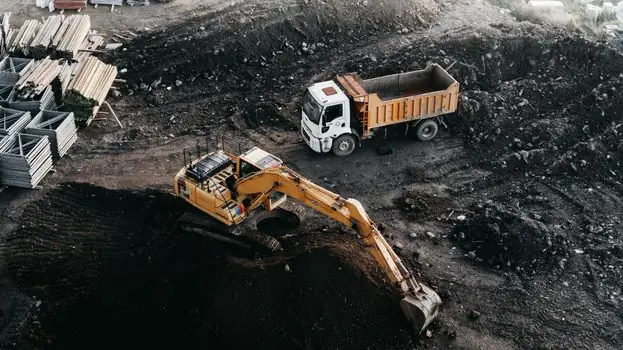
High-strength wear-resistant steel is the default for general engineering and mining bodies, valued for impact resistance on demolition debris [S1]. For pure sand, gravel, or asphalt haulage, aluminium bodies drop tare weight and raise legal payload, but they suffer damage from heavy, sharp demolition debris, so a city renewal project mixing clean aggregate with rebar-laced rubble should stay on steel [S8].
Body shape also matters: U-shaped and flat-bottom designs discharge differently and change the risk of carry-back, and the hydraulic hoist system that tips the body must be matched to the loaded weight to avoid partial-lift failures on sloped city streets [S8]. The body capacity window of 15–25 m³ suits most urban projects; bulk aggregate supply into a city batching plant pushes operators to larger bodies only after a payload-per-trip economics check [S1].
Standard, transfer, and side-dump variants in city work
Standard dump trucks with a chassis-mounted body remain the most common urban configuration, valued for easy manoeuvrability on roadworks, residential developments, and general construction [S2]. Articulated dump trucks are typically reserved for off-road and remote sites, and rarely specified for city kerb-and-gutter work because the hinge does not pay back on short radius runs [S2].
Transfer dump trucks pull a trailer to add capacity and are well matched to long-distance aggregate haul into a city stockpile yard; side dump trucks unload laterally, which can speed cycle times on wide boulevard widenings but require clear side-rolling space rarely present in tight city grids [S2]. Most urban infrastructure procurements therefore resolve to standard rigid 6×4 with selective 4×2 or 8×4 substitution, rather than articulated or transfer platforms.
Comparison table: 4×2 versus 6×4 versus 8×4 on urban criteria
The table below lines the three configurations against the four criteria that drive urban spec: legal payload class, typical body volume, manoeuvrability on city streets, and total cost of ownership [S4][S5].
Emissions, compliance, and what a fleet manager verifies before signing
Compliance with local emission standards and traffic regulations is non-negotiable: a city-haul tipper delivered without the right export certification will fail registration and sit idle, regardless of mechanical fitness [S1]. Spare-parts availability and an established service network are the second gate, since a tipper out of service during a kerb-laying season costs more per day than the price differential between two equivalent chassis [S1][S2].
Fuel economy and long-term operating cost should be evaluated as a total-ownership metric, not a sticker figure: maintenance expense, expected lifespan, and operational productivity drive the real per-tonne cost, and Chinese-brand tipper trucks are widely cited for offering clear value-for-money advantages combined with global parts availability [S1][S2]. For demolition-heavy urban renewal, the steel-body versus aluminium call and the body-shape decision should be locked in writing before delivery, since retrofits are expensive [S8]. Buyers handling demolition waste can cross-reference the dump-truck body, axle, and site match spec map when shortlisting 8×4 platforms. Fleet managers standardising across multiple sites should also review the broader dump truck reference for axle codes and weight-class definitions before finalising the order.
For component-level specifications, see mining dump truck, and reach truck.