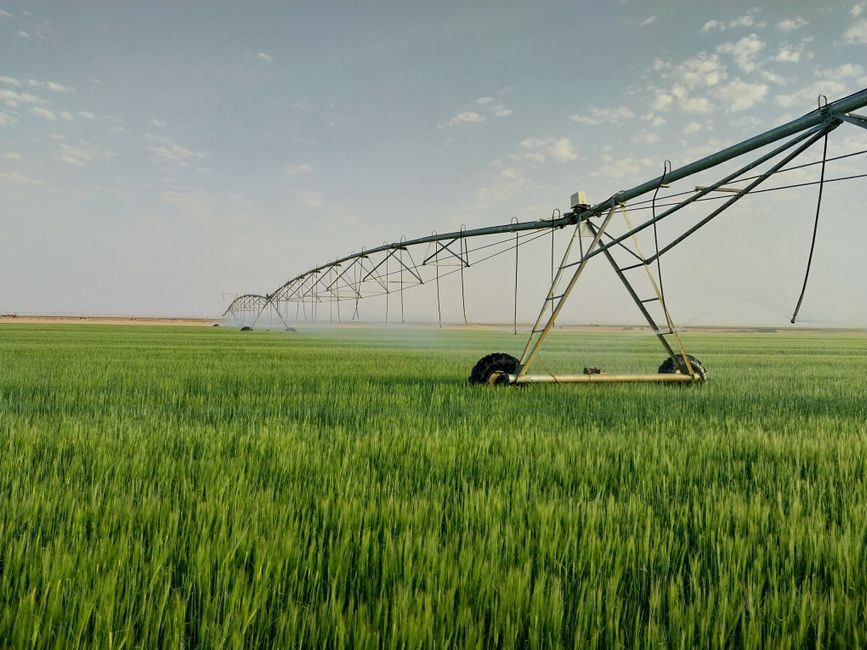
An automatic lawn sprinkler system replaces manual hose work with a pressurized PVC manifold, electrically actuated zone valves, and a clock-driven controller that delivers matched precipitation per circuit [S3].
The installation spans water-supply check, code-driven permit, trenching, manifold assembly, head setting, and controller commissioning; both pro contractors [S1][S2] and DIY guides [S3] follow the same skeleton, with manufacturer-specific maintenance add-ons such as GARDENA Sprinklersystem care [S4].
Pre-Install Site Survey: Pressure, Flow, and Code Inputs
A correct sprinkler layout starts with three measured numbers from the water utility: static pressure (psi/kPa), service-line flow capacity (GPM or L/min), and meter size — together they bound how many heads can run on one zone [S3]. Soil type, climate, and prevailing wind direction also feed head-spacing because rotary and spray nozzles have different precipitation rates and drift profiles [S3].
Underground utility locate (gas, telecom, power, fiber) must be cleared before any trench opens, and the local building-codes enforcement agency sets the backflow-preventer class, anti-siphon rules, and inspection hold-points [S3]. Meyerco Sprinklers in Montana and 8 Days a Week in Ontario both flag this code pass as the non-negotiable first gate on a residential install [S1][S2].
Tool List and Trenching Specs for the Crew
Street Directory's working checklist names the required kit: PVC primer and cement, PVC pipe cutter, measuring tape, string, gravel, shovel, gloves, safety glasses, hacksaw, and a gas-powered trencher with vibratory plow — the trencher commonly rents at USD 150–200 per day [S3].
Trenching depth in cold climates must sit below the local frost line so the poly or PVC laterals do not shear over winter; 8 Days a Week in Ontario sells a Spring Start-Up and a Winterization service package specifically to manage that freeze–thaw cycle on residential and commercial systems [S2]. GARDENA's European Sprinklersystem line ships with its own maintenance manual so homeowner-tier kits can be flushed and tested without a contractor [S4].
Manifold, Valves, and Backflow Assembly
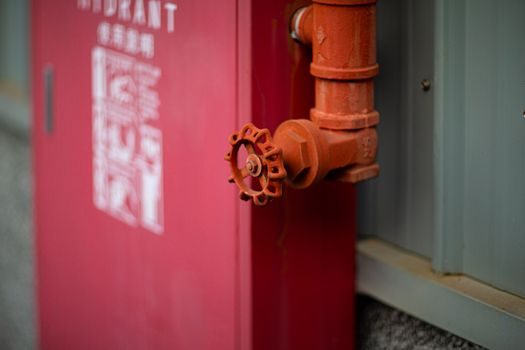
The supply-side build sequence follows a fixed order: tie a 2-inch section out of the house-side line, fit a PVC T with the T-points up, glue it with PVC cement, run a 90-degree elbow up to the backflow preventer (or anti-siphon valve where the local code allows), and then short-PVC with T-fittings into the solenoid-valve manifold [S3].
Each solenoid valve is glued into the manifold, then the whole assembly is tied back to the main — the controller's station wires terminate on the solenoid common and each station hot lead. Pressure-Regulating Stem (PRS) sprinkler heads are the pro-tier option that 8 Days a Week lists under its Sustainability menu to cap lateral pressure at the head and cut misting losses [S2].
Head Layout, Risers, and Spacing Rule
Head-to-head coverage is the working rule: stretch a string equal to the rated spray radius between marker flags so spacing matches throw distance, then cut risers to the manufacturer's height, glue the head on vertical, and backfill the trench leaving a small gap at the top for settling [S3].
Color marker flags for the manifold, each valve, and every head keep the layout auditable during the backfill pass. On larger properties, 8 Days a Week pairs rotor zones for turf and drip zones for beds, then adds a flow meter on the main so zone-level leaks show up on the controller [S2].
Controller, Power, and Smart Upgrades
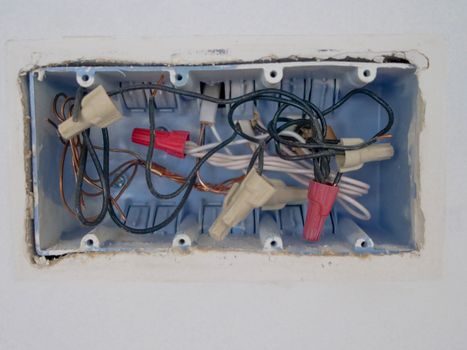
Smart controllers, rain sensors, and inline flow meters are the upgrade path that most contractors now quote as standard on a new install — 8 Days a Week groups them under a "Sustainability" line item alongside PRS heads, drip irrigation, and rainwater harvesting [S2].
Meyerco's residential installs in Yellowstone, Carbon, and Stillwater Counties run on Rain Bird Professional Series hardware, the supplier that designated Meyerco a Select Contractor in 1995 [S1]. GARDENA's homeowner Sprinklersystem line is positioned as a self-install alternative with manufacturer-published installation and maintenance advice for the European retail channel [S4].
Commissioning, Acceptance, and Seasonal Service Windows
Acceptance is a manual walk-through with the controller in test mode: each station opens, lines purge, heads pop and rotate, and the operator logs pressure at the manifold and GPM at the meter against the design [S3]. Meyerco's commercial-grade residential work and 8 Days a Week's three-service seasonal cadence (Spring Start-Up, Mid-Season Inspection, Winterization) are the typical North American maintenance envelope for a system that survived its first install [S1][S2].
For a deeper look at the hazard-class and spec-boundary side of the same product family, see this working engineer's map of sprinkler system types and hazard classes; for the trench-and-thrust mechanics on the supply side, the fire hydrant bury-depth and thrust-block spec map is a useful cross-reference. Foundational sprinkler system terminology and components are catalogued separately for procurement teams.
Spec-level background on the components involved: linear guide, and crossed roller guide.