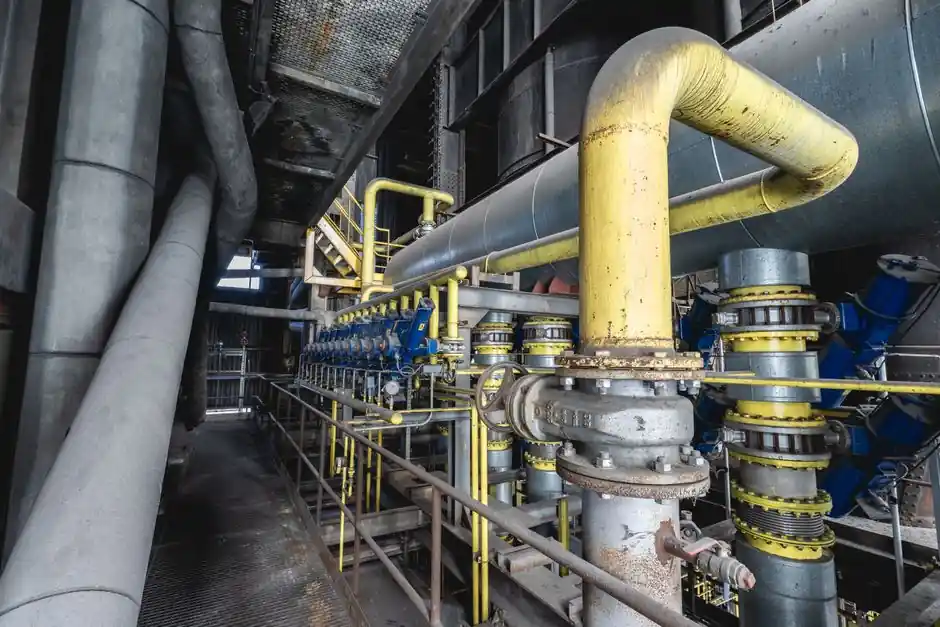
For hardware parts, small agricultural components, and other simple high-volume castings, the air-flow static pressure molding line is named alongside multi-piston machines as a fit when output climbs into the 50–120 molds/hr band and surface finish matters [S1].
For truly small, simple hardware, the jolt-squeeze route (Z1410-series class) is still the lower-capex answer: high-frequency low-amplitude vibration plus squeezing packs sand into the pattern, and the machine is structurally simple enough for one operator [S1]. Static pressure units step in once part geometry gets taller, walls get deeper, or hardness uniformity starts driving scrap [S1].
Decision Fork: Jolt-Squeeze vs. Static Pressure vs. Multi-Piston
The three machine classes diverge on part size, complexity, and acceptable mold hardness scatter. Air-flow static pressure and multi-piston lines use dozens of independently acting hydraulic heads that auto-compensate for pattern height variation, so vertical walls hold the same B-scale hardness as flats, typically averaging 85–90 across the mold [S1]. Jolt-squeeze machines cannot reach that uniformity on tall patterns, and the resulting hardness gradient is what drives casting swell and flash on hardware with deep recesses [S1].
For a hardware foundry that runs simple brackets, small hinges, and similar low-finish parts below roughly 50 molds/hr, the jolt-squeeze unit is usually the right economic call. Once the catalog adds valve bodies, pump housings, or any casting with a depth-to-width ratio above roughly 1:1, static pressure becomes the safer technical choice, and multi-piston internal force compaction technology is what the vendor community currently calls the most reliable route to that hardness uniformity [S1].
Output Rate and Cycle Time Bands
Throughput bands are now well defined across the three classes. A standard jolt-squeeze or simple squeeze machine handles "a steady output of several dozen molds per hour" and suits small-to-medium batch sizes [S1]. Multi-piston automatic lines and top-and-bottom shoot-squeeze dual-station fully automatic machines are the workhorses for the 50–120 molds/hr band, with the shoot-squeeze design using air pressure to pre-compact the sand before final squeeze [S1].
Independent product data puts the horizontal-parting wet-sand molding machine at 80–100 sand models per hour in normal operation, dropping to 30–60 models per hour when a coated sand core must be placed in the mold [S3]. That core-placement step is the throughput killer hardware foundries forget to budget, and it is the same constraint that pushes many shops toward static pressure lines once core-set frequency climbs above a few parts per cycle.
Flask vs. Flaskless and Workshop Layout
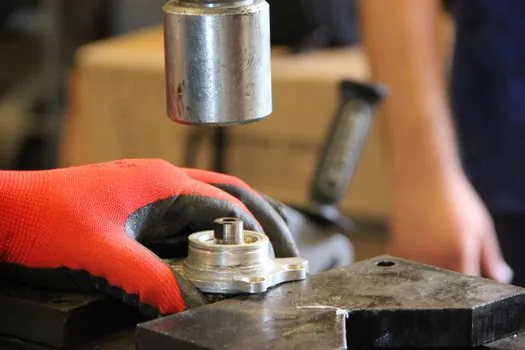
The flask vs. flaskless decision is independent of compaction technology but interacts hard with output targets. Flask molding travels the flask with the mold and is the default on most multi-piston static pressure lines because it scales from small to large castings and handles pattern changes without retooling the recirculation loop [S1].
Flaskless (boxless) molding strips the flask and recirculates it, completing upper and lower mold forming plus closing in a single cycle; it is "especially suited for extremely high-volume castings that are not huge" such as park benches and counterweights [S1]. A representative top-and-bottom shoot-squeeze flaskless machine in the Z5161 class runs roughly 15 kW, weighs about 11.5 t, and lists in the 50,000–75,000 USD band [S1]. For hardware foundries weighing a flaskless retrofit, shell molding machine lines remain a separate comparison axis rather than a substitute, since the process chemistry and pattern heating are different.
Spec Bands That Actually Move the Decision
Three numbers separate a serious static pressure line from a dressed-up jolt-squeeze. First, B-scale mold hardness in the 85–90 range with low standard deviation across the flask; below that, expect casting swell and flash on hardware with deep sections [S1]. Second, cycle time stability under core-placement conditions, where horizontal wet-sand lines drop from 80–100 to 30–60 molds/hr when a coated sand core is set [S3]; spec the line against the lower number, not the brochure figure. Third, frame-reactive force: multi-piston internal force compaction routes all pressing force into the sand so the frame carries no reactive load, which is what protects dimensional accuracy on tall hardware patterns [S1].
Controls and interlocks are not optional on automated lines. Modern static pressure machines are PLC controlled, and the decision points to confirm in writing are motion interlock protection, built-in fault diagnostics, and remote monitoring capability [S1]. A new operator should be able to run the line after a structured handover, not a phone call to the OEM.
Standards, Materials, and Adjacent Process Context
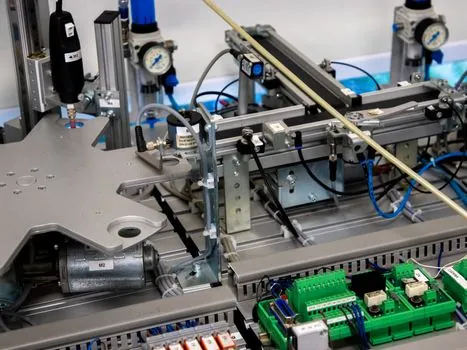
Static pressure molding is a sand-casting compaction step, not a compression-molded polymer process; the two share vocabulary but not standards. Compression molding of thermosets, rubber, and composites is governed by its own mold-type taxonomy (flash, positive, landed positive, semi-positive) and material set (phenolic resins, silicone rubber, fiber-reinforced composites, bulk molding compounds, sheet molding compounds) [S2]. Sand-foundry equipment selection does not pull from that standard stack, and conflating the two when writing a purchase spec is a common error.
For hardware plants that also run polymer compression-molded parts alongside sand castings, the architectural hardware and building pipe hardware end-use categories often sit downstream of both process routes, which is why the equipment spec should reference the casting drawing and the alloy, not the eventual hardware taxonomy.
Selection Criteria Comparison for Hardware Foundries
Three machine classes, four decision criteria: jolt-squeeze wins on capex and simplicity but loses on hardness uniformity and tall-pattern capability; air-flow static pressure lines win on hardness uniformity and finish, mid-pack on capex, and tie jolt-squeeze on simple-part throughput only at the low end; multi-piston static pressure with internal force compaction wins on hardness uniformity and dimensional accuracy, and is the right call once pattern height variation exceeds roughly 50 mm [S1]. Flaskless shoot-squeeze units win on footprint and cycle time for very high volumes of small castings, but lose on pattern-change flexibility [S1][S3].
Cross-reference this against throughput: under ~50 molds/hr with simple parts, stay jolt-squeeze; 50–120 molds/hr with mixed part depth, move to multi-piston static pressure; very high volume of small parts with infrequent pattern changes, evaluate flaskless shoot-squeeze [S1][S3]. For shops adding new hardware SKUs every quarter, the pattern-change cost of a tightly tuned flaskless line is usually the binding constraint, not the published cycle time.
Common Failure Modes and Sourcing Checks
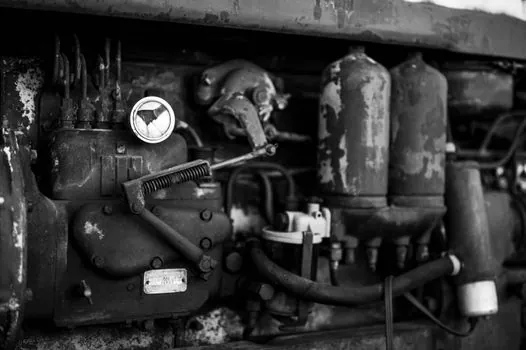
Three failure modes dominate field returns on static pressure lines installed in hardware foundries. Hardness below the 85–90 B-scale band, usually traced back to worn squeeze heads or contaminated sand; cycle-time drift, usually traced to sand moisture or bentonite ratio rather than the machine itself; and frame flex, which is why the "frame carries no reactive force" claim on multi-piston internal force compaction units is a structural guarantee, not a marketing line [S1].
On the sourcing side, confirm in the quotation the rated molds/hr both with and without core placement, the B-scale hardness map at four points across the flask, the PLC brand and remote-monitoring protocol, and the cycle-time warranty under your specific sand mix. Independent supplier data sets the wet-sand horizontal molding line at 80–100 molds/hr normal and 30–60 molds/hr with coated sand cores, and any vendor quoting the upper number as a guaranteed floor under core-set conditions should be asked to put it in writing [S3].
Two signals worth tracking over the next procurement cycle: whether static pressure line pricing in the Z5161-class flaskless shoot-squeeze band (50,000–75,000 USD, ~15 kW, ~11.5 t) holds as more Chinese OEM capacity comes online, and whether multi-piston internal force compaction becomes the default spec language in new hardware foundry RFQs rather than an option code [S1]. For adjacent process decisions in the same plant, slewing bearing selection for steel mills and NBR selection for construction follow their own spec maps and do not overlap with molding line selection.