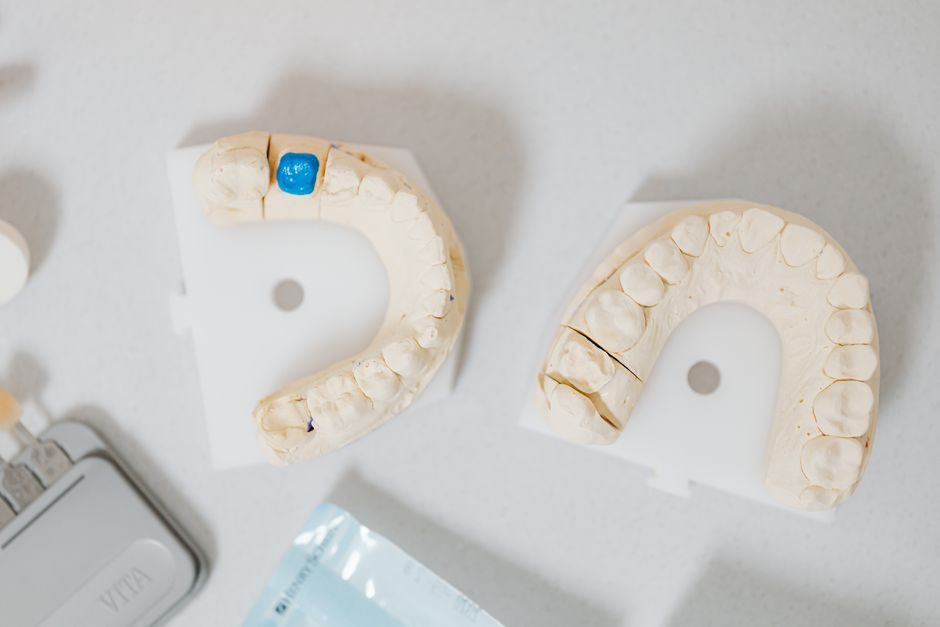
Urethane casting — also called polyurethane vacuum casting or silicone-mold casting — runs roughly USD 80 to USD 600 per part at low volumes, with a one-time silicone mold cost of USD 200 to USD 1,500 depending on part size and complexity, per vendor data published 2025-2026 [S1][S2]. The process is economical for batches between 10 and 500 pieces, where tooling amortization beats CNC machining but does not yet justify steel injection molds [S1].
Forecast 3D publishes a 1-5 day lead time window for prototypes, a 90" x 65" x 40" maximum build volume, and tolerances of +/-0.007" on the first inch plus +/-0.003" on each additional inch — numbers consistent with the tolerance band a process engineer should bake into a casting drawing [S2]. The same vendor lists 50+ resin systems in stock, against FacFox's more conservative 20+ polyurethane grades (ABS-like, PP-like, PC-like, PA-like, POM-like, acrylic-like, plus PU and silicone rubbers) [S1][S2].
Resin, Hardness and Finish Selection
Resin choice drives both unit price and surface outcome; rigid urethane castings typically run Shore D 70-85, while flexible grades cover Shore A 30-90, and medical-grade options add biocompatibility documentation that can lift part cost 20-40% over commodity rigid grades [S2]. FacFox offers 20+ materials with adjustable hardness and color in a single mold run, plus overmolding of a rubber exterior over a rigid substrate to mimic two-shot injection molded parts [S1].
For a transparent rigid casting, Forecast 3D's "Rigid Clear or Tinted" line is the common pick, while "Rigid Medical" is specified when ISO 10993 biocompatibility data is required [S2]. Surface finish options — as casted, polished + paint, or pad-printed — add roughly USD 5-25 per part depending on area and color count, on top of the base casting price [S1].
Tooling Cost: Silicone vs Steel
A silicone mold can be produced in a few days, against the multi-week lead time for a steel injection tool, and a single silicone mold typically yields 10-20 copies before the parting line degrades [S1]. FacFox's published envelope reaches 500 cast copies per mold with consistent surface quality when the master pattern is finished to a machined standard [S1].
Forecast 3D's in-mold fiber additives reportedly strengthen the cast part by a factor of 10 versus the base resin, useful for thin-wall sections that would otherwise distort at demold [S2]. Master pattern production leans on 3-axis to 5-axis CNC machining of plastic or metal, with EDM and wire-EDM reserved for mold-cavity details that a cutter cannot reach [S1].
Design Rules That Constrain Casting Price
Forecast 3D's published design rules fix minimum wall thickness at 0.040" for both supported and unsupported sections, minimum feature size at 0.025", and minimum hole and pin diameter at 0.025" — the same threshold across the rigid, clear, and medical material families [S2].
Interlocking geometry and fully enclosed hollows are the two structures that reliably push urethane casting out of contention; trapped air prevents full mold fill, and undercut releases destroy the silicone on demold [S1]. The scale effect is also unforgiving — unlike injection molding, urethane casting does not see a steep unit-cost drop as volume climbs, so the crossover with steel tooling typically happens around 500-1,000 parts [S1][S2].
Lead Time and Volume Tiering
FacFox quotes a 2-day fastest turnaround for a small batch against a 10-12 business day window published by Forecast 3D for rigid grades, the spread reflecting mold size, part count, and post-processing scope [S1][S2]. ARRK's North America program management model targets "a few hundred pieces" with master pattern and casting done in the same facility, which compresses logistics overhead and is the model most US engineering teams default to for bridge-to-production runs [S3].
As a rough budgeting rubric drawn from these published service providers: 1-5 parts are best quoted as prototype pricing, 10-100 parts hit the casting sweet spot, and 100-500 parts still favor urethane over soft aluminum tooling when the resin library is the binding constraint [S1][S2][S3]. A CNC-machined prototype baseline is a useful cross-check, since FacFox itself notes urethane overtakes CNC above ten parts on combined price and lead time [S1].
Process Comparison: Casting, CNC, and Injection Molding
On three decision criteria the numbers line up as follows: tooling cost is low for casting (silicone, days), very high for injection molding (steel, weeks to months), and zero for CNC (no tooling) [S1]. Unit cost is moderate for casting at low volume, high for CNC machined parts, and lowest for injection molding at scale [S1][S2].
Lead time favors casting (2-12 business days) over injection molding (months), and roughly matches CNC on small parts [S1][S2]. Material breadth is widest in casting — 20-50+ resins — versus the limited stock shapes available to CNC machining and the resin-locked nature of any given injection mold [S1][S2]. For engineers choosing between vacuum casting and injection molding for low volumes, the break-even is commonly cited in the 500-1,000 part range, beyond which steel-tool amortization wins [S1][S2].
Material Codes and Commodity Pricing Benchmarks
Liquid polyurethane casting resin sells at retail for roughly USD 80-120 per gallon in the US hobbyist / model-making channel, based on a 1-gallon kit listing at 8.29 lb shipping weight [S4]. That figure is useful as a sanity check on the per-part material burden: a small casting at 50-100 g of resin pulls under USD 5 of raw material, so the dominant cost line in a vendor quote is almost always tooling amortization, finishing labor, and overhead rather than resin.
On the commodity polyurethane product side, made-in-China wholesale listings show urethane bushings and sleeves transact as low as USD 0.01-2.00 per piece at 800-1,000 piece MOQ, illustrating how far unit cost drops once the part is mass-produced in a steel mold rather than vacuum cast [S5]. That gap — three orders of magnitude between a cast prototype and a high-volume molded bushing — is the real economic story of urethane casting as a bridge process [S5].
Quality Control and Inspection
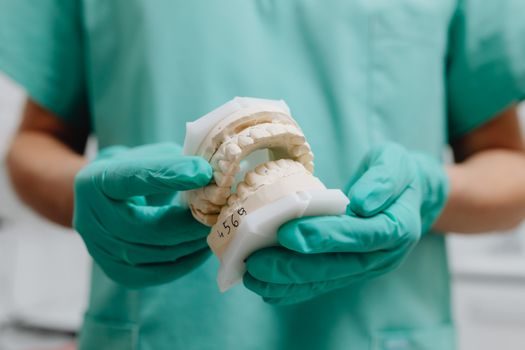
Forecast 3D runs a five-point inspection plan at three separate manufacturing stages per casting build, controlling both aesthetics and geometric tolerance to the +/-0.007" / +/-0.003" bands published on its data sheet [S2]. For medical and optical builds, in-process inspection is typically backed by CMM verification against the original CAD, with certificates of conformance issued per batch [S2][S3].
ARRK's process stack adds material traceability and master-pattern archiving so that re-orders months later pull from the same digital thread, avoiding the dimensional drift that occurs when a new master is re-CNC'd from scratch [S3]. For buyers, requesting the inspection plan and master-pattern retention policy up front is the single most useful cost-control step on a casting PO.
Sourcing Tiers and Final Buying Guidance
For prototype work under 10 parts, CNC machined plastic or SLA prints are still the cheapest path; urethane casting earns its place from 10 parts upward, where mold amortization flips the math [S1]. Volume between 10 and 500 parts is the casting sweet spot, especially when cosmetic fidelity to a production part is required [S1][S2][S3].
Two trackable signals to watch before issuing a casting PO: confirm the vendor's published minimum wall thickness (0.040" at Forecast 3D) against your drawing's thinnest rib [S2], and confirm mold life (10-20 typical, up to 500 with careful master finishing) against your order quantity [S1]. A request for a five-point inspection report and master-pattern retention clause is the cheapest insurance against a second tooling charge 90 days into a program.
For component-level specifications, see linear guide, crossed roller guide, and casting ladle.