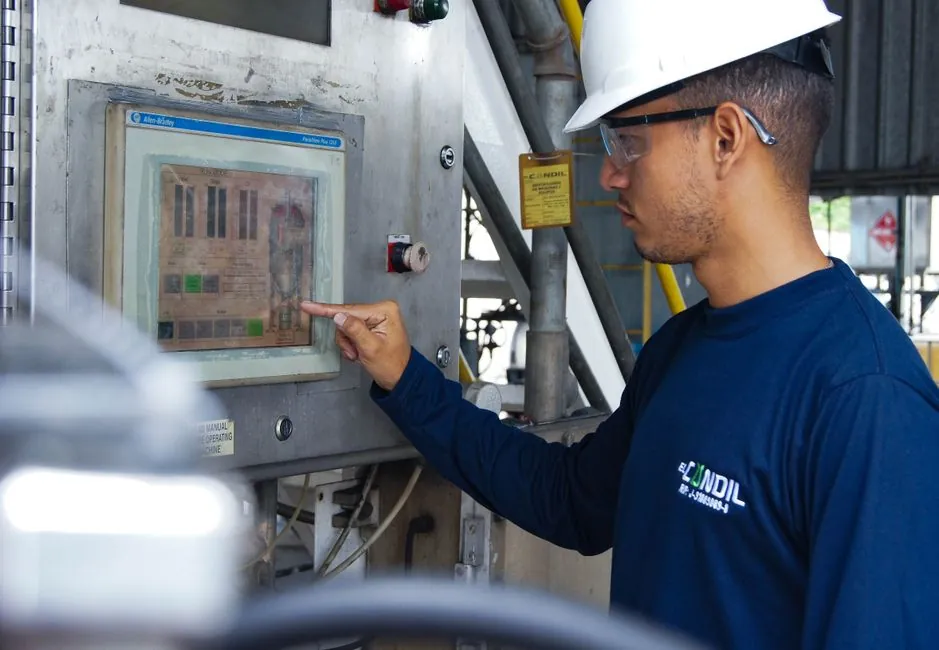
The global machine vision controller market reached $3.8 billion in 2025 and is forecast to hit $6.9 billion by 2033 at an 8.2% compound annual growth rate, with hardware capturing 62.3% of revenue and Asia Pacific commanding 39.2% share [S2]. Buyers evaluating vision controllers in 2026 face a fragmented supplier base spanning smart-camera OEMs, PC-based platforms, and embedded edge units.
Cognex Corporation led the competitive landscape as of 2025, with named suppliers in publicly available product lines including Zebra (industrial computing platforms for production line monitoring with deep learning training), wenglor (Machine Vision Controller evaluation units for image processing), and Syntec (PC-based digital controllers under its Automation Controller family) [S1][S3][S4]. Distributor catalogues such as IQS Directory list systems integrators like EPIC Vision Systems as additional sourcing channels for custom deployments [S5].
Controller Architectures and What Each One Actually Does
Vision controllers are evaluation units for image processing, handling data processing and result output, and are typically deployed for multi-camera inspection where the controller sits between the cameras and the line PLC or robot controller [S4]. Three dominant architectures are visible across supplier portfolios: PC-based controllers (industrial PCs running vision software with multi-camera GigE Vision or USB3 Vision interfaces), smart cameras and vision sensors (camera-plus-processor in one housing, suited to presence/absence and code reading), and dedicated edge vision controllers (compact fanless units for harsh environments and inline inspection) [S4][S5].
PC-based platforms from suppliers such as Syntec offer vertical integration of hardware and software, marketed as a complete vision system for OEM machine builders [S3]. Smart cameras and vision sensors combine imaging with onboard processing for space-saving inspection tasks, while line-scan controllers handle continuous-web applications in converting, glass, and roll-to-roll electronics [S5]. Buyers should match controller type to camera count, frame rate, and on-board processing needs rather than defaulting to a single platform class.
Selection Criteria: Frame Rate, Camera Count, Environment, and Software Stack
Four criteria consistently separate workable vision controller shortlists from expensive mis-specs: sustained multi-camera throughput, supported camera interface standards, environmental rating, and the depth of the training/inference software stack. GigE Vision and EMVA are the two named interoperability standards that buyers should verify on the datasheet before signing a purchase order [S5].
Production-line monitoring platforms from suppliers like Zebra are positioned as adaptable industrial computing platforms suitable for monitoring production lines with deep learning training support, signalling that software-stack capability is now a primary differentiator [S1]. Buyers running vision on a machine vision ID workflow should confirm OCR and 2D code reading support are native rather than licensed add-ons. For harsh environments, confirm IP rating, operating temperature range, and shock/vibration testing against your line profile before accepting the vendor's "industrial" claim at face value.
Supplier Comparison: Cognex, Zebra, wenglor, Syntec, and Integrators
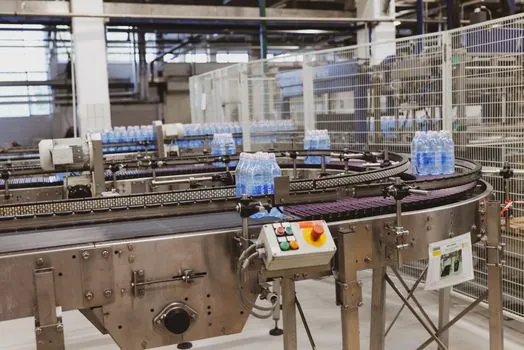
Across the public product lines visible in 2026, the supplier landscape breaks down by core competency rather than by raw performance. Cognex leads competitive positioning per published market research and is widely deployed in automotive and electronics inspection [S2]. Zebra offers vision controllers for fixed industrial scanners with deep learning training, targeted at production line monitoring use cases [S1]. Wenglor markets evaluation units for image processing under its Machine Vision Controller family, with adjacent 2D/3D profile sensors and smart cameras in the same catalogue [S4].
Syntec serves the PC-based digital controller niche, integrating hardware and software vertically for automation OEM customers [S3]. Systems integrators like EPIC Vision Systems handle custom machine vision deployments where off-the-shelf controllers do not fit the line layout [S5]. For procurement teams, the practical shortlist logic in 2026 is: high-volume automotive/electronics inspection points to Cognex-class leaders; deep-learning-enabled production monitoring points to Zebra-style industrial computing platforms; multi-vendor GigE Vision integration with European sensor support points to wenglor; and PC-based CNC/robot integration with full software ownership points to Syntec-style Asian OEMs.
Use Cases by Industry: Automotive, Electronics, Pharmaceutical, and Packaging
Machine vision controllers now power critical operations in automotive production lines for real-time defect detection, in electronics manufacturing facilities for component verification, and in pharmaceutical operations for sterile environment monitoring [S2]. The same report identifies Toyota, Volkswagen, Ford, and General Motors as named end-users within the 2025 demand base, alongside semiconductor fabs in Taiwan and South Korea and pharmaceutical manufacturing growth in India driving Asia Pacific's 39.2% share [S2].
Within automotive, the dominant workload is real-time defect detection at cycle times aligned with body shop and final assembly tact. Electronics manufacturing uses vision controllers for component verification, PCB AOI, and pick-and-place guidance. Pharmaceutical inspection requires sterile-environment monitoring, where vision controllers feed into the same GxP-governed records that buyers in regulated pharmaceutical equipment procurement workflows already track. Packaging lines typically use vision for label verification, barcode reading, and fill-level inspection at line speed.
Limitations, Failure Modes, and What Buyers Get Wrong

The most common vision controller mis-specs in 2026 trace back to three recurring failures: undersizing multi-camera throughput, ignoring environmental derating, and treating vision software licensing as a one-time line item rather than a recurring OPEX. Edge computing vision controllers that operate with minimal latency support real-time decision-making, but only when the edge unit's inference budget is sized to the actual frames-per-second the line delivers, not the vendor's brochure peak [S2].
A second failure mode is camera-interface mismatch: buyers sometimes assume any vision controller will accept any industrial camera, then discover that GigE Vision, USB3 Vision, Camera Link, and CoaXPress each require specific frame grabber or NIC support. A third is integrator lock-in, where a custom system from an EPIC Vision Systems-class integrator is difficult to migrate to a different controller vendor once a line is running. The hardware segment held 62.3% of 2025 revenue, with software and services making up the balance, which is a useful proxy for how much of the total cost of ownership sits outside the controller box itself [S2].
Standards, Sourcing Signals, and What to Track Next
Two named interoperability standards govern multi-vendor vision integration today: GigE Vision (camera-to-controller transport over Gigabit Ethernet) and EMVA (sensor characterisation, supporting consistent measurement practices) [S5]. Buyers should also confirm the controller supports the camera interface standard chosen (GigE Vision, USB3 Vision, Camera Link, CoaXPress) and the lighting and optics ecosystem around it, since vision imaging performance is rarely controller-bound alone.
Trackable signals through the rest of 2026 include: Asia Pacific share movement from the 39.2% 2025 base as Chinese Made in China 2025 and Indian pharmaceutical capacity come online [S2]; new controller launches from Cognex, Zebra, and wenglor as edge inference silicon cycles; and shifts in the hardware-versus-software revenue split away from the current 62.3% hardware weighting as AI inference licensing grows. For sourcing strategy at the system level, the same spec-first logic used in robotics procurement applies: pin the throughput, interface, environment, and software stack in writing before the brand conversation starts.