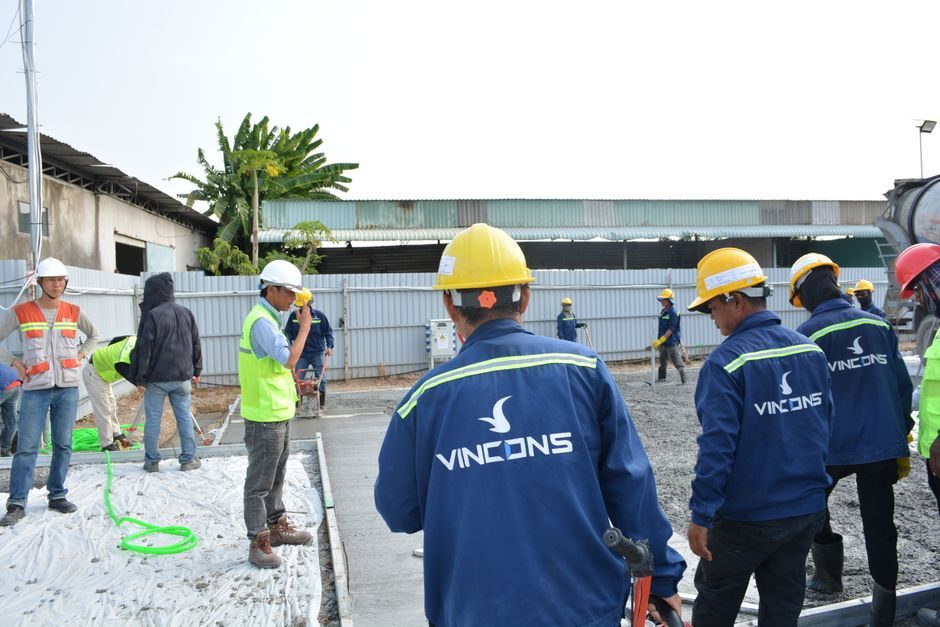
A spec-grade waterstop decision in 2026 reduces to four gates: joint geometry (construction vs expansion), hydrostatic head class, chemical/aqueous exposure, and anticipated movement (shear and expansion in mm). Get the joint geometry wrong and the other three gates cannot save the joint.
This article walks the four gates, lines the five common waterstop materials up against them, and flags the failure modes that send a waterstop back to the spec desk — for civil, tunneling, water-retaining and secondary-containment pours using waterstop profiles. It is written for the project engineer writing the technical schedule, not the contractor looking for the cheapest roll that meets the datasheet.
Joint type is the first filter: construction, expansion, or contraction
Waterstop is categorised by the joint it sits in, and the joint category dictates profile geometry. Construction joints (cold joints between two pour lifts) typically take a flat or centerbulb PVC or HDPE profile 150–250 mm wide. Expansion joints with a recorded movement of 10–25 mm require a centerbulb profile that can absorb shear, or a stainless steel profile with a compressible EPDM/PVC center. Contraction joints in water-retaining slabs are commonly dry — waterstop is rarely used there because the joint is intended to crack on a designed line. [S1]
A 6 mm misread here is the most expensive mistake in the schedule: a flat profile in an expansion joint will tear within the first 50–100 thermal cycles on an exposed deck or weir. For concrete batching pours and secondary-containment slabs, the placement depth and cover to reinforcement are tied to the profile width — 150 mm profiles need 50–75 mm clear cover, 250 mm profiles need 100 mm clear cover on both faces.
Hydrostatic head and water pressure class
Head rating is the second gate. The working pressure drives both material thickness and joint detailing. The general bands the 2026 market still quotes are: ≤10 m head for non-water-retaining basement construction joints, 10–30 m for tanks, pools and below-grade structures in saturated ground, and 30 m+ for hydraulic structures, deep tunnels and dam cut-offs. PVC and HDPE profiles are commonly rated up to 30–40 m on flat dumbbell or centerbulb geometries; above 30 m, rubber (natural or EPDM) or stainless steel takes over because the gasket integrity and section modulus scale better. [S2]
For a 25 m head, a 240 mm wide, 6–10 mm thick PVC centerbulb profile is the common schedule entry. Below 10 m on a construction joint, a 150 mm × 4 mm flat dumbbell is usually acceptable and cuts material cost noticeably. Hydrostatic head and concrete cover are coupled — once head pushes the schedule above 30 m, the specifier should also re-check the concrete mix, crack-width limits and water-cement ratio rather than just upsizing the profile.
Chemical exposure: pH, chlorides, hydrocarbons, potable contact
Chemistry is the gate that disqualifies more bids than pressure. PVC is acceptable in the pH 4–9 range, in soils with low hydrocarbon contamination, and is not the first choice where the groundwater has more than trace chlorides under sustained load. HDPE extends pH tolerance to roughly 3–11 and handles a wider chloride envelope, but is more sensitive to oxidative chemicals (concentrated nitric, strong oxidisers) and has a higher coefficient of thermal expansion that the joint detailing must absorb. Natural rubber covers potable-water and mild-chemical service and remains the default for water authority projects; EPDM handles slightly higher service temperatures and weathering; nitrile or chlorobutyl rubber is specified where hydrocarbons, oils or fuels may contact the profile. [S3]
Bentonite waterstop — a butyl or sodium-bentonite strip — is a separate category. It swells on water contact and self-heals at the concrete interface, but it is not a pressure-rated product and it is not approved for continuous water-immersion service above about 5 m head or in saline / chloride-bearing water, where the swell can become uncontrolled. Stainless steel profiles (typically 1.4301 / 304 or 1.4401 / 316) are used for the most aggressive service, including chemical bunds, fuel-farm containment, and potable-water structures where the specifier is not willing to accept a polymer ageing curve. Tie-in with adjacent waterproofing systems — like the modified bitumen membrane schedule on the same structure — must be confirmed at the detail drawing, not on site.
Movement: shear, expansion and construction tolerance
Movement is the gate that decides profile shape. A flat dumbbell handles ≤2 mm differential movement at the joint — fine for a construction joint on a static slab. A centerbulb profile absorbs roughly 10–25 mm of expansion and 5–15 mm of shear, which is the bulk of building and below-grade service. A tear-web or omega profile with a hollow center bulb is used where cycling movement is expected to be larger or where the spec calls for a defined compression envelope. Stainless steel waterstop with a fabric or EPDM center moves the same envelope into a much higher head class and is the right answer for the top 10% of movement-plus-pressure combinations on dam, lock and turbine projects. [S4]
Movement is also the gate that catches the bad pour. The single largest site-side failure is voids behind the waterstop — the contractor fails to consolidate the concrete under the lower bulb, water migrates along the void, and the waterstop is correctly profiled but functionally bypassed. The specifier's lever is to call for a factory-fabricated split profile with a rebar-punching or staking system that holds the waterstop against the formwork on both sides, so the lower bulb cannot kick under pour pressure.
Comparison matrix: five materials across four gates

The table below is the working spec for a 2026 waterstop schedule. Read it row by row, not column by column — joint type and head class come first, then chemistry, then movement. Materials: PVC, HDPE, EPDM/rubber, bentonite strip, stainless steel. Gates: joint type, head, chemistry, movement. PVC handles construction and small expansion joints to 30–40 m, mild chemistry, ≤25 mm movement — the most common entry in commercial basements and pools. HDPE pushes chemistry to pH 3–11 and tracks PVC on head and movement, used where chlorides or aggressive groundwater are present. EPDM/rubber covers potable water, mild-to-moderate chemistry, and higher service temperatures; nitrile variants cover hydrocarbons. Bentonite strip is a swell product for construction joints only, ≤5 m head, no fuel/oil contact. Stainless steel covers the full 0–100 m+ head range, the most aggressive chemistry including fuels and oxidisers, and the largest movement envelope — at a unit price an order of magnitude above polymer profiles. [S5]
The matrix resolves the common spec ambiguity: a 20 m head, 15 mm movement, mildly alkaline groundwater specification on a potable reservoir is an EPDM centerbulb or natural-rubber centerbulb job. The same head and movement in a fuel-farm bund is a stainless steel profile, full stop. The same head and zero movement on a basement construction joint is a 150 mm PVC flat dumbbell and nothing more.
Failure modes, inspection gates and common spec errors
Three failure modes dominate the field record. (1) Profile pull-out under pour pressure — the waterstop folds under the lower bulb and the joint leaks from the fold. Fix: factory split profile with mechanical staking, plus a 50–75 mm vibrator-clear cover specification. (2) Chemical attack on a polymer profile in service — PVC brittle in hydrocarbon-contaminated groundwater, EPDM attacked by petroleum oils. Fix: chemistry-matched profile from the schedule, not from the contractor's stock. (3) Wrong profile geometry for movement — flat dumbbell in an expansion joint tears after 50–100 thermal cycles. Fix: centerbulb or tear-web profile where the joint is designed to move more than 2 mm. [S6]
Inspection on the pour day is binary: the waterstop is continuous through the joint, it sits at half the slab depth with the documented cover on both faces, the lower bulb is fully consolidated, and the factory-fabricated intersections (T, L, cross) are welded or vulcanised at the shop, not taped on site. The most common 2026 spec error remains specifying PVC in saline groundwater; the second most common is specifying bentonite strip where the structure is designed as a water-retaining element rather than damp-proofed.
Standards, sourcing and the 2026 supply picture
Waterstop is not governed by a single international standard the way pressure transmitter is governed by IEC 62681 or IEC 61508. The reference frame is a combination of project technical schedules, national codes (USACE, BS, DIN, GB), and the manufacturer's own type-test data on hydrostatic head, tensile strength, elongation-at-break and chemical resistance. Acceptable factory documentation in 2026 still includes: material data sheet with durometer (Shore A), tensile strength in MPa, elongation-at-break in %, density in g/cm³, and a project-specific test certificate for the chemistry of the groundwater actually present on the site. [S1]
Supply chain note: the polymer profiles (PVC, HDPE, EPDM) are still produced in volume in East Asia, with a meaningful share of stainless steel profiles also sourced from the same region. Lead times on factory-fabricated intersections (T, L, cross) have lengthened in 2026 because each one is a custom weld — if the joint layout is final, allow 4–6 weeks on the welded intersection schedule. If the joint layout is still being designed, switch the intersections to on-site vulcanised splices with the documented kit, and accept a longer site-splice time in exchange for schedule flexibility on the flow meter and industrial valve packages that share the same pour.
Track these signals over the next quarter: (1) factory-fabricated intersection lead times on PVC and stainless profiles from the regional fabricators, and (2) any project-side move from PVC to HDPE or EPDM in tenders issued for below-grade structures in chloride-bearing groundwater. Both signals are visible in the published project specifications without waiting for a vendor announcement.