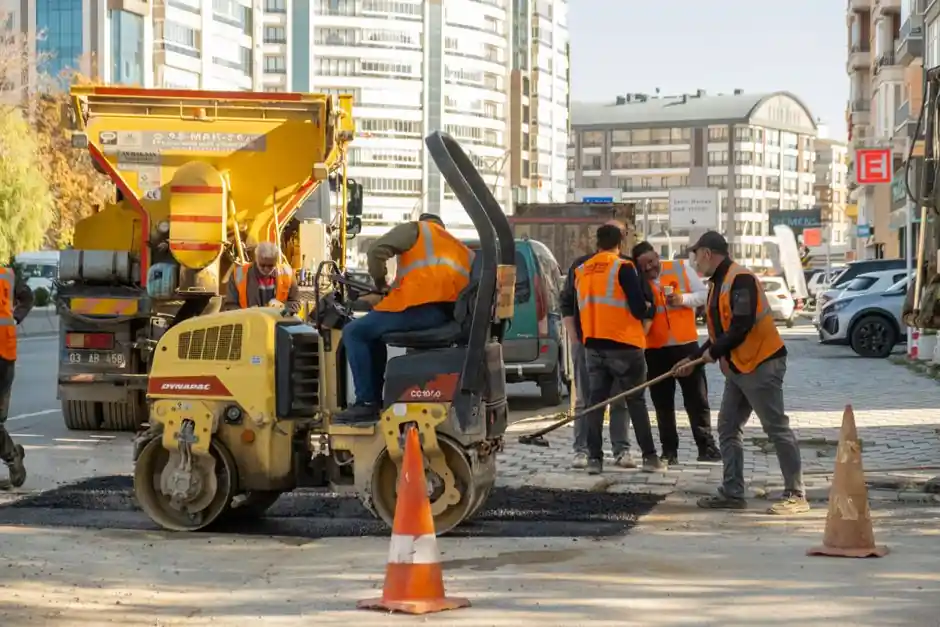
A wheel loader leaves the yard or returns from a major repair only after two documented gates are passed: a pre-use inspection covering 8 critical zones across the machine, and a load test that applies 100% to 125% of rated capacity in both static and dynamic cycles [S2][S5].
These two gates are not interchangeable. The pre-use inspection catches condition defects (leaks, loose wheel hardware, worn teeth) that would damage the machine or injure the operator during a test, while the load test verifies structural and hydraulic integrity against the design rating that the operator will rely on for the next operating shift [S1][S2].
Pre-Use Inspection Scope: 8 Zones, Roughly 48 Points
A pre-shift wheel loader inspection covers 8 critical zones: tyres and wheels, steering and brakes, bucket and attachment, hydraulic system, engine and drivetrain, cab and controls, lights and safety devices, and fluid levels, with completion targeted in under 12 minutes before the first bucket load of the shift [S5]. The City of Omaha small wheel loader pre-use daily checklist (published 2024-08-04) expands the same scope into a daily tick sheet covering the engine compartment (left, right, rear), the articulation hitch, both upper and lower hoist and articulation pin keepers, transmission fluid sight glass, fuel water separator, radiator coolant, duo-cone seals on each wheel, valve stems, lug nuts, wheel lock rings, and the rollover protection structure bolts [S1].
Zone 1 (tyres) is the first stop and the most safety-critical: all four tyres checked for cuts, bulges, embedded objects, sidewall damage, with cord exposure or deep sidewall cuts triggering immediate replacement, and tread depth verified for traction on wet or loose surfaces [S5]. The Omaha checklist mirrors this with seven sub-items per tyre: pressure and tread, tyre body, valve stem and cap, duo-cone seal, lug nuts, and wheel lock ring [S1]. Zone 2 (steering and brakes) requires a full-lock left/right test, low-speed service brake stop test, and a parking brake hold test on a grade, with parking brake failure classified as a safety-critical finding and a machine lockout [S5].
Bucket, Loader Arms, and Hydraulic Checks
Zone 3 (bucket, attachment, loader arms) calls for inspection of the cutting edge remaining material, security of all teeth, bucket pivot pin condition, and loader arm pins and bushings, since worn pins create unpredictable steering response and hydraulic leakage paths [S5]. The Omaha checklist adds the rubber bumper block, drive shaft, and the lower hoist pin keeper on the rear of the machine as a separate visual group, with rollover protection structure bolts explicitly listed as a torque-verification item [S1].
Hydraulic checks follow the same logic: hoses and lines inspected for chafing or leaks, hydraulic oil filter condition noted, and the steering rod/cylinder traced for any seepage at the rod seal [S1][S5]. The 2026-06-06 pre-shift workflow for wheel loaders (heavyvehicleinspection.com) sequences the same items into a standard pre-shift flow: bucket down on the ground, hydraulics cold-check for leaks, then tyres and brakes, so the operator can complete the walk-around in a consistent pattern every shift [S6].
Load Test Procedure: Static and Dynamic Stages
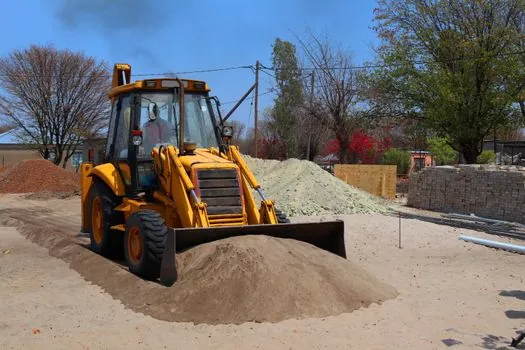
After the pre-use gate passes, the loader moves to the load test. The test runs in four stages: initial inspection (re-verifying frame, bucket, linkage, brake system, and hydraulic condition for deformation, cracks, fluid leaks, and pin/bushing wear), verification of specifications and determination of test loads at 100% to 125% of rated capacity using either real material or calibrated counterweights, then the load test itself in static and dynamic modes, and finally documentation with corrective-action recommendations if any nonconformity is found [S2].
The static test lifts the bucket with the calibrated load and holds it in a fixed position to evaluate stability and structural integrity, while the dynamic test simulates operational cycles (lift, travel, dump) and observes hydraulic response, load distribution, and machine behaviour under motion [S2]. Any anomaly observed in either stage is recorded in an official report with technical data, the as-found condition of the equipment, and a pass/fail conclusion, with corrective actions required before the loader is signed off for production [S2]. For a wheel loader entering fleet service, this report is the auditable evidence that the machine met its nameplate rating on the day of commissioning.
Test Run Sequence: Graduated Load Steps
Beyond the formal static/dynamic load test, a 7-step test run procedure starts the loader on its own tracks at no load per the manufacturer's manual, then progresses through gradual load increase, monitoring for abnormal noise, vibration, hydraulic pressure drift, or steering wander at each step before the bucket is run against a known volume of material [S3]. This step-up approach is what catches issues that a single full-load event would mask, for example a hydraulic cylinder that drifts only after 15 minutes of loaded hold time, or a transmission that shifts hard only when hot [S3].
Two reference anchors matter here: the formal load test verifies the nameplate rating against the design standard, while the graduated test run verifies that the specific machine you have on the yard handles rated work without abnormal symptoms. Skipping either one leaves a gap: a loader that passed a one-time 110% static lift can still fail in production if its hydraulics drift or its articulation pins wear prematurely, and conversely a smooth no-load test run says nothing about whether the frame will hold at 125% [S2][S3].
Common Commissioning Failure Modes

Three failure modes show up repeatedly in commissioning: (1) duo-cone seal leaks on the wheels that were not flagged on the pre-use sheet because the machine was checked cold and the seals only weep when hot, (2) articulation joint pin play that exceeds the OEM limit but is masked by grease buildup during the pre-shift walk-around, and (3) hydraulic cylinder drift on the lift circuit that only appears after 10 to 15 minutes of loaded hold, which a short static test misses [S1][S2][S5]. Each one is caught by a different gate: hot seals by a post-run re-check, articulation play by a hands-on pin inspection with the steering frame lock pin engaged, and lift drift by an extended static hold at rated load [S2][S5].
Reference points for these checks come from the OEM operator's manual (which sets the pin-clearance and seal-leak thresholds), the daily inspection checklist (which sets the visual gate), and the load test report (which sets the structural and hydraulic gate). A machine that passes all three with a clean documentation trail is the one that should be released to production; a machine missing any of the three is the one that breaks down in week two of the lease [S1][S2][S5].
Documentation and Sign-Off
Commissioning is not complete until the daily inspection sheet is filed with all zones ticked, the load test report is countersigned, and any vehicle trouble report generated during the pre-use walk-around is closed out with the supervisor before operation, per the City of Omaha checklist's explicit instruction that "any defect(s) found, a Vehicle Trouble Report must be completed and turned into your supervisor before operating" [S1]. The load test report itself must include technical data, as-found condition, and corrective-action recommendations, with anomalies blocking sign-off until resolved [S2].
For fleet managers, the practical signal to track over the next quarter is whether the 8-zone pre-use sheet and the 4-stage load test are being run as two separate gates or being collapsed into a single shortcut inspection, because that gap is where warranty disputes and incident investigations land when something fails in production. A 48-point daily checklist structured around the 8 zones, completed in under 12 minutes and aligned to OSHA 1926.602 operator-vehicle inspection expectations, is the documented baseline most US construction fleets now benchmark against [S5].
Spec-level background on the components involved: tensile testing machine, and backhoe loader.
See also our earlier report, Port Crane Specs: STS, RTG, RMG and MHC Compared.