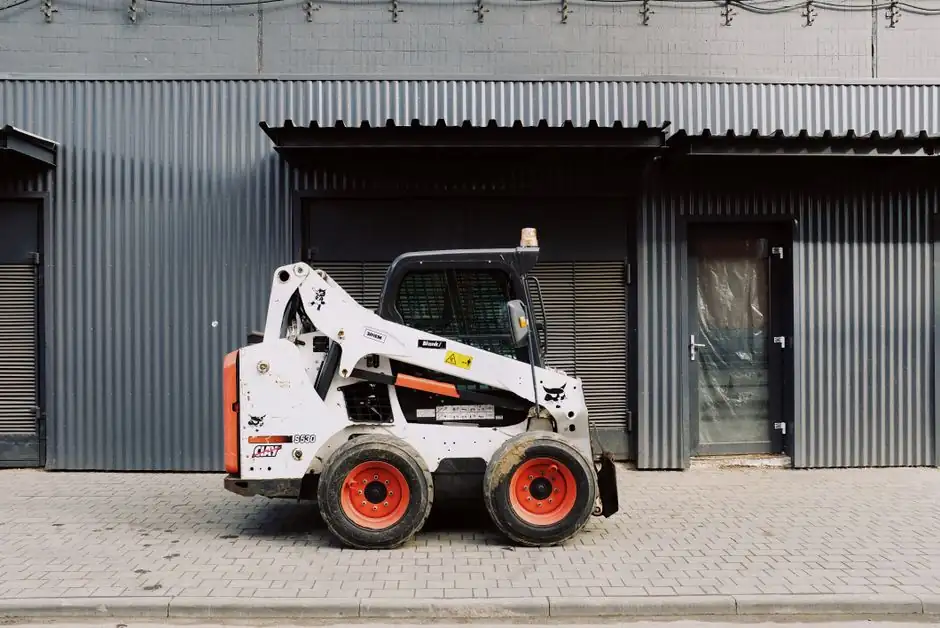
Wheel loader downtime traces back to five recurring failure families: engine overheating, hydraulic system loss, transmission slip, abnormal tire wear, and electrical malfunctions, all of which appear consistently across 2025–2026 service bulletins [S1][S3][S5].
Hydraulic contamination alone is cited as the root of more than 40% of wheel loader downtime incidents, while structured 250-hour, 500-hour, and 1,000-hour service intervals can cut total ownership cost by up to 35% versus reactive maintenance (2025-06) [S4]. A disciplined daily-check protocol identifies roughly 75% of hydraulic problems in early stages, when repair cost stays low [S4].
Engine Overheating: Radiator, Coolant, and Combustion Air
Engine overheating in wheel loaders traces to a closed set of causes: clogged radiator cores, low or degraded coolant, faulty thermostats, and restricted combustion-air paths [S2][S3]. A 15% air-intake restriction can raise fuel consumption by close to 10%, an effect that often pairs with elevated coolant temperature and visible black smoke at the stack [S5].
Field protocol: clean radiator fins at every 250-hour service, top up coolant with the OEM-specified mix, verify fan operation under load, and avoid sustained overloading in ambient temperatures above 95°F (35°C) [S2][S3]. Coolant temperatures above 210°F trigger the red-zone gauge and demand immediate load shedding [S5].
Hydraulic System Failures: Contamination, Heat, and Cavitation
Weak lift force, slow boom response, and noisy operation are the three classic symptoms of a degraded hydraulic circuit; root causes are insufficient oil, clogged filters, contaminated fluid, and internal pump or cylinder wear [S2]. Hydraulic oil temperatures above 180°F (82°C) accelerate seal hardening and shorten hose life, so oil-cooler airflow and fin cleanliness are non-negotiable service points [S5].
Pump cavitation, identifiable by a high-frequency whine during lift, almost always begins at the suction side; a loose fitting, cracked suction line, or low reservoir level admits air that collapses inside the pump [S5]. Bench pressure below 2,500 PSI at the boom-up test point is a common early indicator of pump efficiency loss [S5]. For a deeper treatment of pneumatic and hydraulic actuator failure patterns, see Pneumatic Cylinder Trade-offs: Specs, Strengths, and Failure Modes.
Transmission Slip, Hard Shifts, and Fluid Analysis

Transmission faults show up as slipping gears, hard shifts, or unusual noise, and most are rooted in low or contaminated fluid, worn friction plates, or weak clutch pressure [S3][S5]. A gear-engagement delay longer than 2 seconds under load is the threshold for swapping fluid and inspecting the filter, while routine fluid analysis for metal shavings is the cheapest way to catch planetary or clutch wear before it strands the machine [S5].
For a broader view of how rotating powertrain components degrade on heavy machinery, see Rotary Hammer Lifespan, Service Intervals and Replacement Criteria, which covers comparable wear-monitoring logic on smaller carriers. Operators in cold climates should also watch for fuel gelling blocking filters, which mimics transmission failure by starving the engine under load [S5].
Tire Wear, Chassis Vibration, and Steering Drift
Uneven tread, sidewall bulges, and steering pull beyond 5° from straight are the three indicators that separate tire wear from chassis faults [S2][S5]. Root causes are mismatched inflation pressure, worn steering bearings, deformed wheel hubs, and axle imbalance, all of which shorten tire life and amplify operator fatigue [S2].
Daily check: cold inflation pressure to OEM spec, visual scan for cuts or embedded debris, and a stationary steering test for free play. Rotation intervals of 500–1,000 hours even out wear on loaders that spend long shifts in cycle work, and a documented tire log supports both warranty claims and resale valuation [S1][S4].
Electrical System Malfunctions: Battery, Wiring, and Sensors
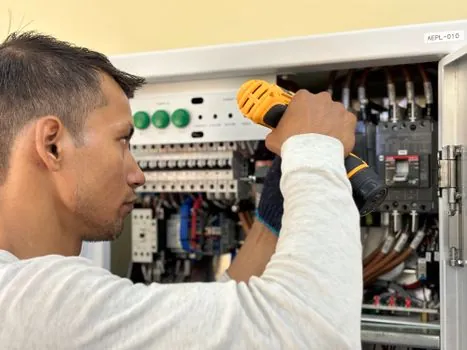
Starting faults, erratic gauge readings, and dead accessories trace most often to corroded battery terminals, loose ground straps, and chafed harness conductors, not to the major ECUs themselves [S1][S3]. A healthy battery holds 12.6V or higher at rest, and any reading that drops sharply during cranking points to a weak cell or failing starter [S5].
Inspections should include a visual scan of harness routing near heat sources, dielectric grease on connector pins, and a load test on the alternator output. Many intermittent sensor warnings on modern loaders are actually wiring faults; replacing a sensor without checking the loom is a common and avoidable cost [S1][S3].
Prevention Cadence: Daily Checks and 250/500/1,000-Hour Services
A documented maintenance program built on daily walk-arounds, 250-hour fluid and filter services, 500-hour major services, and 1,000-hour comprehensive inspections is credited with preventing roughly 85% of hydraulic failures [S4]. The same source documents 60% fewer emergency breakdowns and 20–30% higher resale value for machines with complete service records (2025-06) [S4].
Two natural follow-up signals: a tightening market for tier-4 final emission-service components, which raises the cost of deferred engine work, and growing fleet demand for telematics that auto-log daily-check completion, both of which reward fleets that already enforce the cadence above. For a general framing of how spec-first fleets schedule heavy-equipment upkeep, see Construction machinery and equipment and the Wheel loader reference page.
Spec-level background on the components involved: backhoe loader.