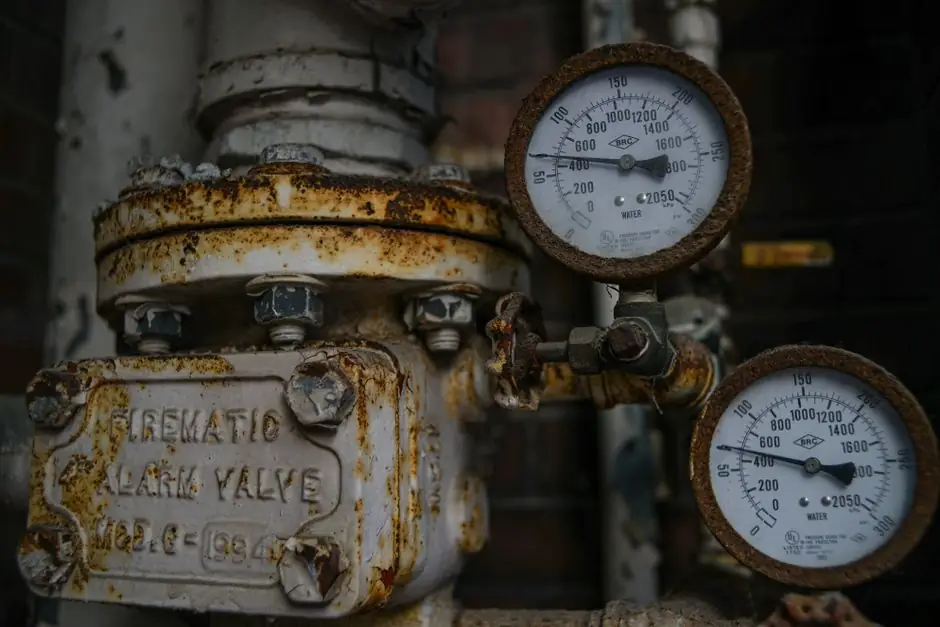
In vacuum operation, the surrounding atmospheric pressure pushes the liner into the bore while internal pressure is absent; a liner that is not mechanically or chemically anchored to the body can cold-flow, deform, and tear within hours of pump-down.
Resilient-seated butterfly valves in vacuum are therefore specified with vulcanised bonded liners (EPDM, Buna-N, natural rubber, PTFE or PFA depending on chemistry), and the same construction doubles as the dead-end rating because the rubber cannot be sucked out of the body cavity [S1][S2][S3].
What a bonded liner actually is, and how it differs from a replaceable seat
A bonded liner is injection-moulded or vulcanised into the valve body during manufacture, with the elastomer chemically fusing to the internal metal surface; melting and chemical bonding create a denser material with minimal air pockets, which is what gives bonded seats their long-term tight shutoff [S4].
A replaceable seat, by contrast, is a separate component pressed or locked into the body. Bonded seats are glued or injection-moulded to the body and are not field-repairable if worn or damaged, which is the trade engineers accept in exchange for higher integrity and zero liner movement [S3]. Fixed-liner centric butterfly valves use the same bonded concept and are explicitly rated for vacuum because the absence of relative motion between liner and body prevents the wear path that causes failure [S2].
The physics: why vacuum pulls a loose liner into the pipe
Atmospheric pressure on the outside of the valve body and near-vacuum on the inside produces a net inward force across the liner cross-section; on a replaceable seat, that force is concentrated at any unbonded interface and the elastomer extrudes, balloons, or is sucked into the flow path, which is why manufacturers call out the failure mode directly [S1].
The bonded construction distributes that load into the body wall because the rubber is now part of the pressure boundary. The Alfa Europe bonded-liner design is vulcanised at roughly 150 bar and is consequently rated as a fully pressure-rated dead-end service valve for the wafer, double-flange and lug body ranges, a rating only achievable when the liner cannot move [S1]. For comparison, an unlined metal-seated butterfly in the same bore would be acceptable for many vacuums, but resilient-seated designs rely on the elastomer-to-disc interference for shutoff, so the liner must stay exactly where it was moulded.
Failure modes the bonded liner prevents
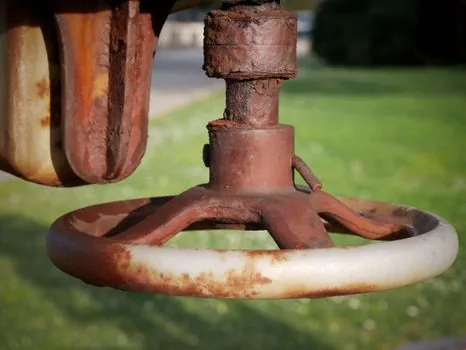
Debonding in a resilient butterfly valve is the failure where the adhesive or mechanical bond between liner and body yields, and the catalogue causes include vacuum collapse, thermal cycling, chemical attack at the bond line, and over-torque of the disc against a swollen seat [S5]. Once the bond line parts, the liner can shift during a stroke, which destroys the continuous disc-to-seat interference that defines the resilient-seated geometry [S4].
Bonding also removes the secondary failure mode of liner rotation: if the seat can rotate, even by a few degrees under differential pressure, the sealing lips wear asymmetrically and the torque rises until the actuator cannot cycle the valve [S1][S5]. Uniform lining thickness and proper bonding to the metal disc directly affect seal integrity and service life, which is why lined butterfly valves are preferred over metal-seated valves for chemical media that also happen to swing into vacuum during pump-down [S8].
Selection criteria for a vacuum-rated resilient butterfly valve
Engineers should confirm four items on the data sheet before accepting any resilient-seated valve for vacuum: (1) liner material is vulcanised or injection-moulded into the body, not retained by a clamp ring; (2) the body has a published dead-end rating at full differential, which is the practical proxy for vacuum integrity; (3) the liner compound is compatible with the process chemistry, with EPDM common for water and steam condensate, Buna-N for hydrocarbons, and PTFE or PFA for aggressive acids; and (4) the stem seal uses a primary flat-to-disc-hub seal plus a secondary stem-diameter seal, because vacuum leaks past the stem are a separate, common failure path [S1][S2][S4].
Body materials in resilient-seated designs are typically ductile iron, cast iron, carbon steel, aluminium, stainless steel or aluminium-bronze, and the seat compound is selected independently of the body; this separation matters for vacuum because the liner, not the body, defines the leak rate [S4]. Where the pipeline also runs through flange insulation, extended rubber facing beyond the flange face lets the bonded liner act as the flange gasket, removing a secondary leak path that vacuum would otherwise expose [S1].
Where bonded-liner butterfly valves are used, and where they are not
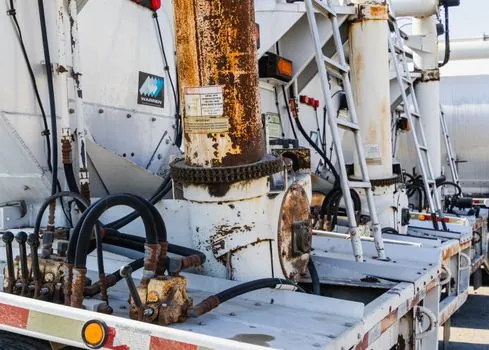
Bonded-liner butterfly valves are common in shipboard scrubbers, ECGS, ballast water, fresh and sea water, fire water, cargo oil, fuel and chemical service, all of which can see vacuum during drain-down, pump-out, or condenser-side operation, with type approvals from BV, LR, ABS, DNV and CCS being typical for the marine set [S1]. On the process side they appear in HVAC, chemical and petrochemical, food and beverage, power generation, water and wastewater, oil and gas, and dry-bulk handling whenever the duty is isolation or light throttling of a corrosive or wet media [S4].
They are not the right pick for heavy slurry, where a knife gate or severe-service ball valve is preferred because solids destroy the disc edge, nor for high-temperature steam above the elastomer limit, and not for Class 300 or higher ASME class service where the body, not the liner, becomes the pressure boundary [S4]. For pure-vacuum isolation in semiconductor or analytical equipment, a dedicated vacuum valve architecture with metal seals is usually specified instead, because the resilient-seated design is fundamentally a low-pressure isolation class rated between ASME 125 and 150 [S4]. Within that envelope, however, the bonded liner is the single feature that makes the resilient-seated geometry survive pump-down.
Standards, sourcing, and what to demand on the datasheet
Resilient-seated butterfly bodies are typically designed between ASME Class 125 and Class 150 flanges, and ratings are commonly quoted in cold working pressure (CWP) rather than ASME class, which is why a vacuum-rated bonded-liner valve can legitimately carry a dead-end rating equal to its full CWP [S4]. Marine approvals (BV, LR, ABS, DNV, CCS) are the practical evidence that the bonded liner has been type-tested under vacuum and dead-end differential, and the procurement line should call out the approval, the liner compound, the vulcanisation pressure, and the dead-end rating, not just the bore and pressure class [S1].
For plants already running vacuum generators or vacuum packaging machines downstream of a butterfly manifold, a bonded-liner upgrade is the cheapest insurance against the slow vacuum leak that no leak-test fluid ever finds. Trackable signals for the next procurement cycle are: bonded-liner quote requests being line-itemed separately from the body, type-approval certificates named in the RFQ, and a CWP-versus-dead-end cross-check on every resilient-seated line.
See also our earlier report, What a Complete Pipe Fitting Datasheet Must List.