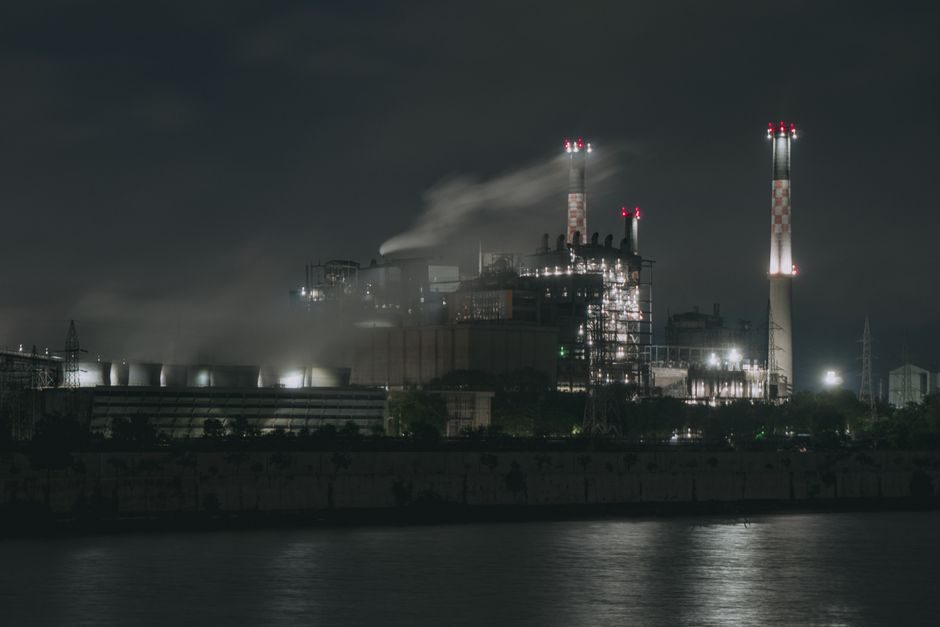
Made-in-China.com lists 1,916 car-battery manufacturers and 5,748 related products as of the July 2026 catalog snapshot, while its watch button-cell directory holds 164 suppliers with 492 SKU lines [S5][S2]. Shenzhen alone anchors the densest cluster, with the Shenzhen cell-battery page surfacing prismatic LFP cells at 3.2 V 314 Ah for solar storage and sodium-ion 33140 cells at 3.1 V 10 Ah for two-wheeler and RV packs [S7]. The geographic split is decisive: Guangdong and Jiangsu provinces carry the bulk of cell-line capacity, with Highstar (Qidong, Jiangsu) marketing 30 years of cell R&D across NCM consumer, prismatic LFP storage and cylindrical sodium-ion formats [S1].
Chemistry mix splits into three buckets buyers actually specify. LFP prismatic dominates stationary storage and is offered up to 314–340 Ah per cell at 3.2 V nominal [S7]. NCM cylindrical and prismatic serve power tools, two-wheelers and consumer packs through Highstar's customisation stack, which adds BMS, mould and PACK integration on top of the bare cell [S1]. Sodium-ion now appears as a third mainstream line, with a 12 V 3.4 Ah impact-resistant pack priced from US$ 58 / piece at 100-piece MOQ for motorcycle duty, alongside 33140-format 10 Ah cylindrical cells for EV/ESS pilot builds [S5][S7]. Cross-referencing the sodium-ion battery industry 2026 sourcing map confirms the same sodium format choices are now mainstream in EU pilot projects, not just Chinese domestic builds.
Supplier directory scale and chemistry split
The Made-in-China.com "battery for car" taxonomy returned 1,916 manufacturers and 5,748 products in a single query on 2026-03-16, with a sub-segment of 389 m² plant area and 15-day fast-delivery flags on US$ 80/piece, 300-piece MOQ starter SKUs [S5]. Of those listings, sodium-ion is a visible sub-line, not a niche: the 12 V 3.4 Ah Na-ion motorcycle pack at US$ 58 / piece (100-piece MOQ) and the 33140 3.1 V 10 Ah sodium-ion cell for cars, RVs, e-bikes demonstrate that two distinct form factors (cylindrical 33140 and small prismatic) are now stocked on the same portal as lead-acid replacements [S5][S7].
Button-cell supply follows the same pattern but at different volumes. 164 suppliers with 492 SKU lines, dominated by CR1025 3 V 30 mAh lithium and AG12 1.5 V 108 mAh alkaline chemistry, serve the watch and IoT market, while rechargeables are pushed into LIR1220 3.7 V, LIR1632, LIR2440, LIR2466, LIR3032 and LIR3048 lines for OEM electronics [S2][S4]. Lead-acid and AGM remain the default chemistry for ignition and SLI duty — UPS battery, solar battery, lead-acid battery and car battery all appear as parallel main-product tags on the same factory profile [S5].
Cell format comparison: prismatic LFP vs cylindrical NCM vs cylindrical Na-ion
Three form factors dominate the cell menu buyers see in 2026 catalogs, and the decision criteria line up against four axes: energy density per cell, cycle life expectation, operating temperature window, and unit cost at MOQ. Prismatic LFP at 3.2 V 314–340 Ah is the volume storage workhorse, offered with 280/300/314/320/330/340 Ah capacity steps on a single factory line [S7]. Cylindrical NCM and LFP from Highstar covers consumer and small-ESS packs, with the company's own 30-year R&D framing and a one-stop PACK-plus-BMS service model [S1].
Cylindrical sodium-ion 33140 at 3.1 V 10 Ah is the chemistry moving into motorcycles, RVs and pilot EV/ESS projects, with impact resistance flagged as a differentiator and a US$ 58 price point at 100-piece MOQ on the 12 V 3.4 Ah pack derivative [S5][S7]. LIR-series lithium-ion button cells (3.7 V LIR1220 and the LIR1632/2440/2466/3032/3048 family) handle the rechargeable coin-cell slot, distinct from primary CR and AG chemistries [S4]. For buyers tracking pack-level economics, the top battery pack companies 2026 price-band map lines the same cell chemistries against integrator pricing.
Industrial B2B selection criteria beyond price-per-Ah
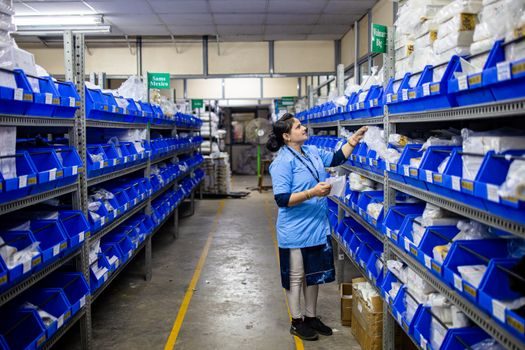
Cell selection in 2026 is gated by five verifiable criteria buyers should check before RFQ: chemistry (NCM / LFP / Na-ion / lead-acid / Li-Mn button), form factor (prismatic vs cylindrical vs coin), capacity and nominal voltage, MOQ and unit price band, and integration services (BMS, mould, PACK assembly). Highstar's published offer is unusual in bundling BMS customisation, appearance-mould design and PACK integration alongside bare NCM and LFP cells, which matters when buyers want one PO covering cell-to-rack [S1]. Sodium-ion pricing is the wildcard: the US$ 58 / piece pack on a 100-piece MOQ for a 12 V 3.4 Ah motorcycle battery is roughly half the unit price of an equivalent-capacity lithium starter, though cycle-life and cold-cranking data still need factory-level confirmation [S5].
For instrument and control buyers, the same five criteria apply in miniature. CR1025 3 V 30 mAh primary lithium button cells pair with AG12 1.5 V 108 mAh alkaline button cells for low-drain watch and IoT nodes, while LIR1220 3.7 V rechargeables handle toys and OEM hot-tools where the cell is field-replaceable [S2][S4]. A buyer wiring coin cells into a load cell signal conditioner board or a pressure sensor data-logger needs the same three-way trade-off: primary vs secondary, capacity at the operating temperature, and self-discharge shelf life. Test gear for cell validation sits on adjacent supplier pages — HKTDC's tester category lists automotive battery analyzers, digital battery capacity testers, battery load testers and button-cell testers under one filter [S3].
Regional capacity and supply-chain signals to watch
Capacity concentration in 2026 still runs through Guangdong (Shenzhen) and Jiangsu (Qidong, Nantong), with the Made-in-China.com and HKTDC sourcing portals surfacing Shenzhen as the default city tag on sodium-ion, LFP and button-cell listings [S7][S6]. Highstar's 30-year cell manufacturing history from Qidong and its sodium-ion pack line for forklift, golf car, telecom backup, UPS and starter applications signal a deliberate push into motive and stationary segments outside its traditional power-tool base [S1]. Longi's high-efficiency solar panels (560 W to 600 W in 5 W steps) appear on the same supplier profile as sodium-ion cells — a hint that integrated PV-plus-storage sourcing is being marketed as a single portal SKU, not three separate POs [S9].
UK gigafactory and cylindrical cell shortage signals are covered separately in the July 2026 cell supply-chain briefing, which is consistent with the Chinese supply map here: Chinese cell exporters hold the bulk of LFP prismatic and sodium-ion cylindrical capacity, so any UK or EU build-out still sources cells, not full packs, from this directory. The battery pack market 2026 outlook lines the same chemistries against pack-level LFP and flow-cell economics for context.
Limitations of the public supplier directory data

Three honest limitations apply to any buy decision built on this data alone. First, the Made-in-China.com and HKTDC counts are portal-level, not certified production volumes — a "manufacturer" can be a trading company with ODM access, and the 15-day fast-delivery flag on US$ 80 / piece, 300-piece MOQ starter batteries is a marketing badge, not a capacity audit [S5]. Second, the chemistry and capacity strings are taken from product titles, so a "33140 3.1 V 10 Ah" sodium-ion cell listing tells you nominal voltage and capacity but not the cycle-life curve, C-rate ceiling or low-temperature cut-off — those numbers still need a datasheet or sample test [S7].
Third, sodium-ion pricing is unstable enough that the US$ 58 / piece 12 V 3.4 Ah motorcycle pack should be treated as an entry price band, not a benchmark — see the ranked sodium-ion company list for the wider price dispersion across cylindrical, prismatic and pack SKUs. For buyers sourcing coin cells into a flow meter data logger or an industrial valve position transmitter, the same caveats apply: the supplier directory narrows the field, it does not replace a sample-and-test cycle. The next node to track is the Q3 2026 sodium-ion pricing refresh on the same Made-in-China.com categories, plus any new 33140-format listings from non-Shenzhen factories that would break the current regional concentration.