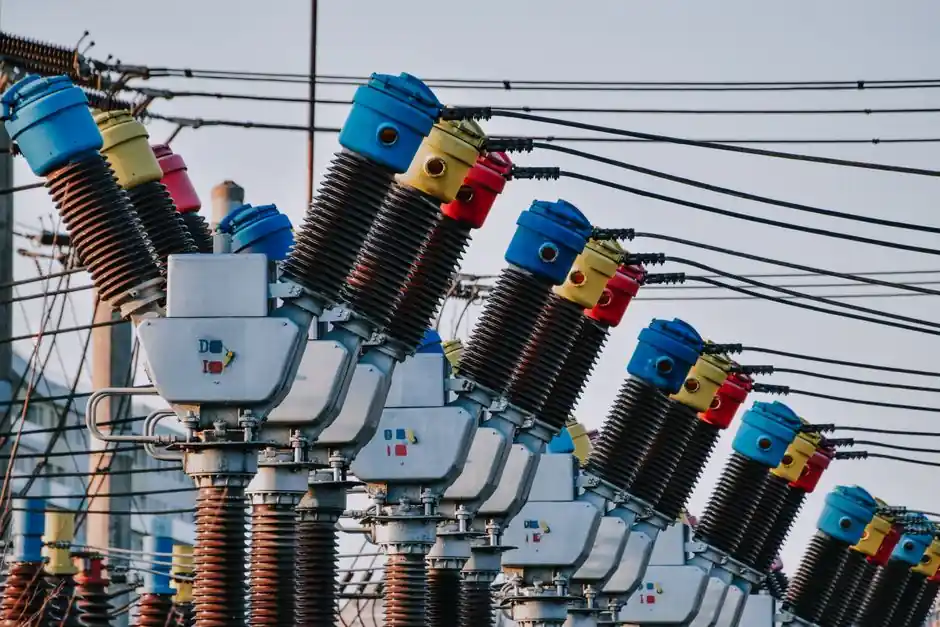
For oil and gas duty, the right power distribution box carries ATEX/IECEx Ex db eb IIC Gb marking, an IP65 minimum ingress rating, and a temperature class matched to the gas group, with portable GRP units covering 16A-32A at 24V-220V and aluminum panels handling 63A-630A at 220V/380V [S1][S4][S5].
Specifying without those three lines on the data sheet is the fastest way to fail a hazardous-area audit; gas group IIC plus a -20°C to +55°C ambient window alone disqualifies most general-purpose enclosures regardless of how cheap they look per piece [S2][S4].
Ex-Mark and Zone Coverage: What Has to Be on the Nameplate
Ex db eb IIC T4 Gb plus Ex tb IIIC T130°C Db is the minimum acceptable string for Zone 1 gas and Zone 21 dust on a portable distribution box rated 16A-32A at 24V/110V/220V, and it is exactly what the Appleton-pattern 2-way and 4-way GRP units carry [S1][S4]. The "db" denotes flameproof enclosures, "eb" denotes increased safety for the termination/terminal chamber, and the IIC gas group covers hydrogen, acetylene and carbon disulfide, the most onerous hydrocarbon-light gas mix you will meet in a refinery or offshore platform [S2][S6].
For fixed panel builds with main bus currents up to 250A, Ex db eb IIC T6 Gb with a T80°C dust surface temperature is the spec string to copy, as on the BXM(D)8030 platform, which also caps maximum AC at 690V and supports up to 40 branch ways in the same GRP or stainless-steel enclosure [S6]. The T6 class drives the surface-temperature limit down to 85°C, which matters next to insulation classes and adjacent cable jackets; T4 (130°C) is acceptable for most upstream oil and gas process areas but not for the tightest refinery columns where auto-ignition margins are tightest [S1][S2].
Enclosure Material Decision: GRP vs Die-Cast Aluminum
Glass Reinforced Polyester (GRP) enclosures dominate portable distribution boxes for shutdowns and confined-space work because they weigh roughly 40% less than equivalent aluminum housings, are non-sparking on impact, and carry an inherent corrosion resistance that suits offshore salt fog [S1][S4]. The 4-way GRP box at 352 x 234 x 161 mm is a representative portable footprint, paired with an SS316 stand or a GRP handle so crews can move it on a turnaround without a crane [S4].
Die-cast aluminum, with WF1/WF2 corrosion grade and high-voltage electrostatic surface spraying, is the default for fixed feeders running 63A-630A at 220V/380V, because it dissipates heat from the bus bars more efficiently and accepts the heavier G1/2 to G4 cable entries used on main runs [S3][S5]. The trade-off is galvanic risk in salt atmospheres, which is why a growing share of offshore builds is moving back to GRP (SMC) for the housing even on permanent panels, accepting the thermal derating for the corrosion benefit [S6].
Ingress, Ambient and Voltage Window
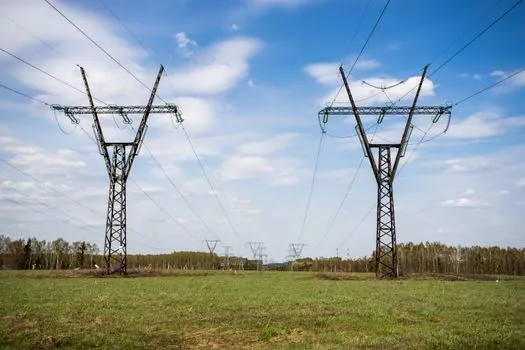
IP66 is the realistic minimum for any outdoor oilfield or offshore-topside application, with IP65 acceptable only inside an equipment room or under a permanent canopy [S1][S4]. Kripal's IP67 portable unit, rated for 50-60Hz networks up to 660V with integrated overload, short-circuit and residual-current protection, is the benchmark when a wash-down or deluge-test environment is expected [S8]. The portable Appleton-pattern 2-way box extends the ambient envelope down to -40°C and up to +55°C, which covers Arctic-class platforms and Middle-East desert duty from the same part number [S1].
Voltage and current windows split the market into three tiers: 24V/110V/220V at 16A-32A for low-voltage tool, lighting and instrument supply on Zone 1 maintenance; 220V at 25A-160A for small feeder distribution in chemical and petrochemical plants; and 220V/380V at 63A-630A for main and sub-main panels feeding motors and lighting in upstream and downstream process areas [S1][S3][S4][S5]. Choosing the wrong tier is a common procurement failure, where a 32A portable gets specified for a 250A motor feeder because both carry the "ATEX" label [S5][S6].
Options, Accessories and Cable Details That Matter
Plug and socket compatibility is the silent killer on cross-region projects: ATEX/IECEx portable units typically ship with ATKON, Appleton, CZ or CEAG receptacle families, and substituting a non-matching pattern will fail an EHS inspection even if the enclosure is fully certified [S4]. Cable entries on the panel-grade units run G1/2 to G4, and most vendors offer SY braided or rubber cable in 5m, 10m, 15m, 30m, 50m or 100m lengths as factory options, so the cable gland size and the conductor cross-section must be cross-checked against the enclosure entry before purchase [S3][S4].
Functional options to validate on the data sheet: padlock-able switch handles to prevent mis-operation, integrated surge protectors, ammeters on each branch, and cast-in-place foam sealing strips for the door gasket, all of which are stated features on the aluminum-alloy panel series with rated currents from 25A to 160A [S3]. For stainless or highly corrosive areas, specify SS316 hardware rather than plated steel; for sub-zero operation, verify the gasket compound and the lubricant on the gland threads, since standard nitrile fails below -30°C [S1][S4].
Vendor and Sourcing Reality in 2026
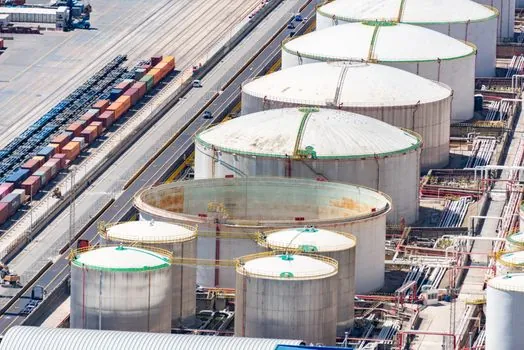
Ex-mark certified supply for oil and gas comes overwhelmingly from Chinese OEMs at present, with the BF 2 8159-g series from Feice, the BXM(D)8030 from Shenhai, the BXT-4/K from BAXIT/Glomro, and the Appleton-pattern portable units from Everest Oilfield covering the bulk of the spot market [S2][S5][S6][S7]. Lead times in the cited listings run 5-8 working days on the panel units and about 7 working days on the portable GRP builds, with MOQ 1 across the portable range and 60 pieces on the BX-series entry-level enclosure [S3][S5][S9][S10].
Pricing on the panel-grade explosion-proof socket box for oil and gas spans US$85.2-350.28 per set at 1-630A, and US$73.85-258.04 per set on the BXM(d) control panel series, which gives a sensible ballpark for budgetary quotes on ATEX IECEx feeder builds [S5][S9]. Supply capacity on the high-volume lines hits 5,000-10,000 units per month, which is why most EPCs now stock these as catalogue items rather than engineered specials [S3][S5]. Specifiers working oil and gas instrument loops in parallel should cross-check temperature and material choices against a reference like the RTD Pt100 spec map for oil and gas so the enclosure, the cable and the sensor ratings stay inside the same Zone and gas group.
Selection Gate: When Each Type Is Right
A 2-way or 4-way GRP portable at 16A-32A, 24V/110V/220V, IP66 is the correct pick for shutdown lighting, hand-tool feed and confined-space inspection, where weight and ATKON/Appleton socket interchangeability dominate the decision [S1][S4]. A die-cast aluminum fixed panel at 25A-160A, 220V, IP65, with WF1 anti-corrosion grade, is the right call for chemical and small-refinery feeder distribution where heat dissipation outranks weight [S3][S9]. A GRP (SMC) or stainless-steel main panel at 63A-630A, 380V, IP66 with up to 40 branch ways is the right call for offshore topside or larger process plants where the ambient swings the widest and the corrosion load is highest [S5][S6].
What these units are not for: any of them is wrong for a clean, non-hazardous indoor MCC room, where a standard power distribution panel at a fraction of the cost will meet code; specifying Ex-mark equipment indoors wastes budget and complicates maintenance. They are also wrong for unclassified outdoor industrial sites where IP55 stainless would do the job; the ATEX premium only pays back when the area classification actually demands it, which is a discipline many procurement teams still skip on cost grounds and live to regret at the next audit [S2][S6][S8].
Limitations, Failure Modes and Standards Map
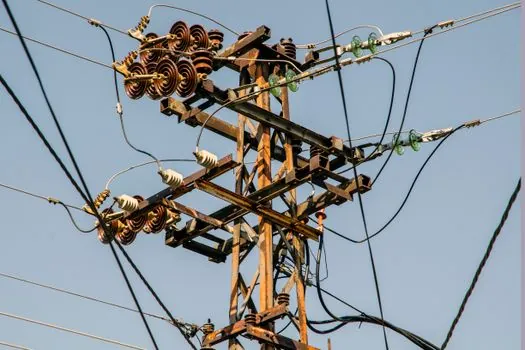
Temperature class is the most-miss-specified parameter: T4 (130°C) is the practical ceiling for IIC gas groups on the portable GRP units, and T6 (85°C) is only achievable on heavier enclosures where heat build-up is managed, which is why the BXM(D)8030 carries T6 while the portable line stops at T4 [S1][S4][S6]. Cable gland selection is the second-most common failure point: using a non-ATEX gland on an ATEX enclosure voids the certification, and mixing cable cross-section ratings between EN 60079-0 and the entry size is a frequent audit finding [S3][S6].
Standards coverage to verify on the certificate: ATEX (EU) for European projects, IECEx for international portability, and CCC for China-domestic projects; the Appleton-pattern portable carries all three, which is the practical reason it shows up on most cross-region EPCs [S1][S4]. The power distribution box ultimately has to be paired with correctly specified construction machinery and equipment feeders and compatible lamps and light fittings, and the system as a whole should comply with the lighting equipment and electric lamps selection under the same hazardous-area classification; for a deeper cross-reference see the power distribution box spec entry and the wider oil-seal and lighting equipment and electric lamps coverage in the encyclopedia [S1][S4][S5].
Track these next: a watch on whether the BXM(D)8030 platform expands its 40-way ceiling beyond 250A main bus, and whether any major EPC publishes a comparative failure-rate on GRP versus aluminum enclosures after 5 years offshore, which would finally settle the material debate with data rather than preference [S6].