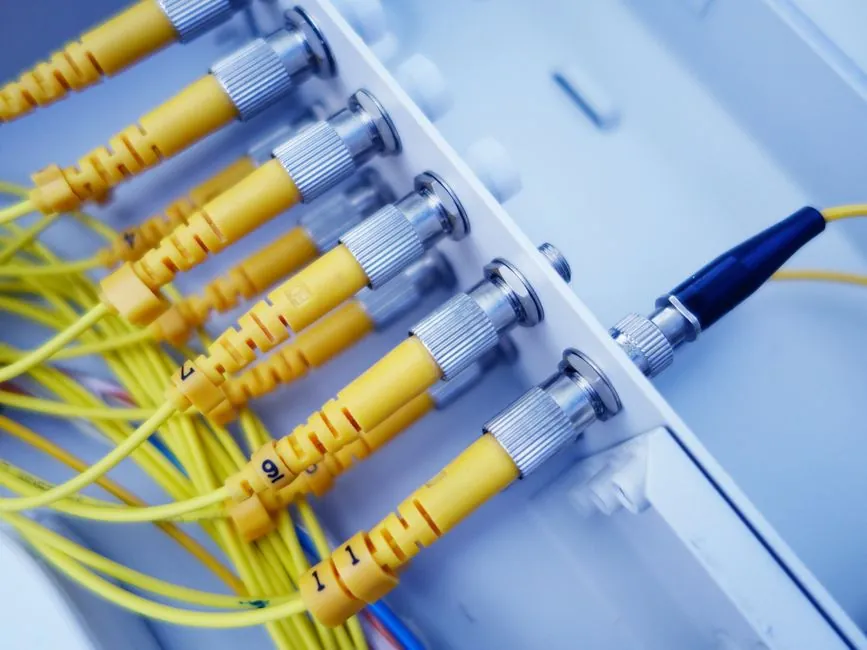
A cable gland seals and mechanically retains a single cable where it passes through an enclosure wall; a conduit fitting terminates or connects the protective raceway that carries the cable [S1][S2][S4].
The two components are not interchangeable. A gland is sized to the cable outer diameter and jacket, a fitting is sized to the conduit trade size and thread form. Both can appear in the same installation: a conduit run may terminate at a junction box, and individual cables may then pass through cable glands into downstream equipment [S1][S4].
What each component actually does
A cable gland mounts directly to an enclosure, junction box, motor, sensor housing, or control cabinet and seals around the cable jacket or armor [S1][S4]. Typical construction includes an elastomer seal, locknut, optional armor clamp, optional grounding ring, optional barrier compound for flamepath applications, and a strain-relief element [S4]. Cable gland bodies are commonly supplied in nickel-plated brass, stainless steel, or polyamide, with EX-rated and EMC variants for shielded cable [S3][S5].
A conduit fitting is part of a raceway architecture: it connects two conduit sections, attaches a conduit to an enclosure, provides a bend or transition, or terminates the raceway at equipment [S1][S2][S4]. Common types are straight connectors, 45° and 90° elbows, compression fittings, liquid-tight fittings, reducers, unions, and adapters; threads are usually ISO metric, PG, or NPT depending on region [S1]. The fitting is sized around the conduit trade size, not around the cable inside it, which means conductors can often be replaced or rewired without disturbing the enclosure entry hardware [S4].
Selection criteria, side by side
Selection is driven by what crosses the enclosure wall: the cable itself, or the conduit. For a gland, buyers verify cable outer diameter (min and max), jacket material, armor type, bend radius, temperature range, and round versus flat construction, then match the gland sealing range to those dimensions [S4]. For a fitting, the relevant inputs are conduit material (EMT, rigid steel, PVC, flexible liquid-tight), thread standard, mechanical loading, wet-location exposure, pull-box layout, and the need for bonding or grounding continuity across the raceway [S2][S4].
The IEC 60529 IP framework rates the complete assembly, not the gland or fitting in isolation, so enclosure rating, gasket, locknut torque, and the cable or conduit itself all participate in the final IP code [S4]. For hazardous areas, ATEX and IECEx certified glands carry their own component approvals and are required when the enclosure itself is Ex-rated, while rigid conduit entries into Ex d enclosures follow flamepath rules under IEC 60079-1 [S2][S7].
Decision rule for project engineers
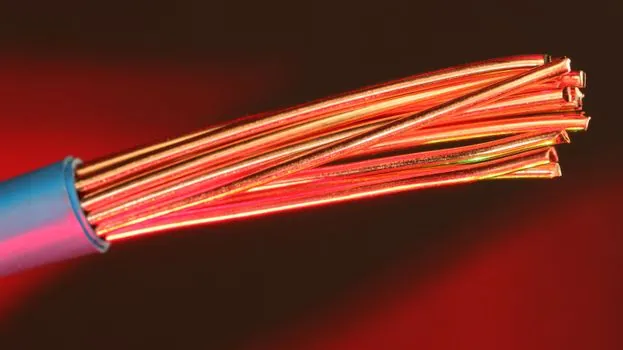
Use a cable gland when the cable itself enters the equipment and must be sealed to that equipment; use a conduit fitting when a raceway enters or connects to equipment [S4]. A gland is cable-centric, a fitting is raceway-centric, and mixing the two typically leaves either the cable jacket or the conduit termination unsealed.
Common worked examples from the research: a power cable entering a factory control panel, an instrumentation cable terminating at an outdoor sensor housing, an SWA cable entering a motor terminal box, and a data cable entering an offshore junction box all use glands [S2]. EMT terminating at a main distribution panel, flexible liquid-tight conduit entering a machine cabinet, rigid steel conduit entering an Ex d junction box in a refinery, and PVC conduit entering an outdoor lighting fixture all use conduit fittings [S2]. Hybrid systems are normal: a conduit may deliver a bundle to a local pull box, after which individual cables pass through cable glands into the equipment [S4].
Static versus dynamic cable runs
Cable glands deliver localised strain relief directly on the cable jacket, which works well for static installations but is risky on dynamic runs that flex, swing, or vibrate continuously [S6]. Liquid-tight flexible conduit distributes that strain along its length and is the better choice where the cable moves with the equipment, for example on robotics, gantries, or any cord drops that see regular motion [S6]. Specifying a gland on a dynamic run without an external flex-relief usually leads to jacket fatigue and eventual seal failure.
Hazardous-location and outdoor implications
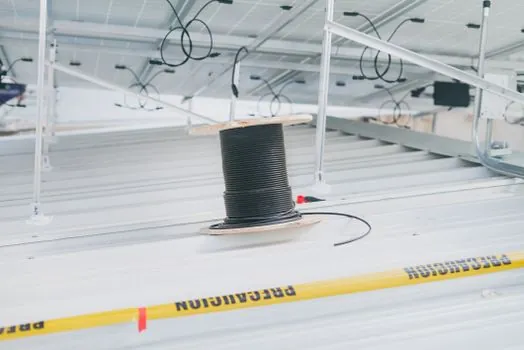
For outdoor enclosures, both glands and liquid-tight conduit fittings are widely used; the gland is the lower-cost, single-cable point solution, while the conduit run gives mechanical protection over the full cable path plus easier replacement if a cable is damaged [S6]. In explosion-proof distribution boxes, glands and conduit entries both preserve the flameproof rating, but the gland path is typically faster to install and easier to inspect, while the conduit path is preferred where the cable would otherwise be exposed to impact along its route [S7]. Material choice matters: stainless steel and nickel-plated brass are common for corrosive and offshore atmospheres, while polyamide glands are widely used for indoor, UV-protected, non-EX panels [S3][S5].
Pricing in current US distribution shows the entry cost is small relative to the enclosure: a 1/2" NPT non-metallic gland with a 0.394-0.551" cord range lists around $9.35 each at case quantity, a 1/2" metal-clad cable fitting around $87-88 each, and a stainless steel 1/2" Ranger liquidtight gland around $186-219 each [S5]. Conduit fitting costs are similar in order of magnitude, so the specification decision is almost always driven by application and certification rather than unit price.
Common procurement pitfalls
First, selecting a gland by nominal thread size without checking its sealing range against the actual cable OD will compromise IP and may allow pull-out under vibration [S4]. Second, treating "conduit gland" as a generic term: in strict usage, the term should refer to either a conduit fitting or a cable gland depending on whether a raceway or a single cable is being terminated, and mixing the language on a purchase order leads to the wrong parts on site [S1]. Third, assuming a gland or fitting alone delivers the system IP rating: the enclosure, gasket, locknut, and the cable or conduit itself all participate, and a mismatch anywhere in that chain downgrades the rating [S4]. Fourth, ignoring dynamic loading and specifying a gland where the cable will flex, which is a frequent cause of premature seal failure in outdoor and motion-equipment installations [S6].
For a deeper read on the cable-side selection, see Armoured vs Unarmoured Cable Glands: Selection, BS 6121 Types, and Spec Mapping, and for adjacent enclosure work, the Common Point Ground Bonding for ESD Workstations guide covers the bonding side that has to be considered alongside any gland or fitting choice. Track next: confirm whether the cable or the conduit is the entry interface, match the gland sealing range or conduit trade size to the actual installed dimensions, and verify that EX and IP certifications are held against the complete assembly, not the individual component.
Spec-level background on the components involved: gland packing, and pipe fitting.