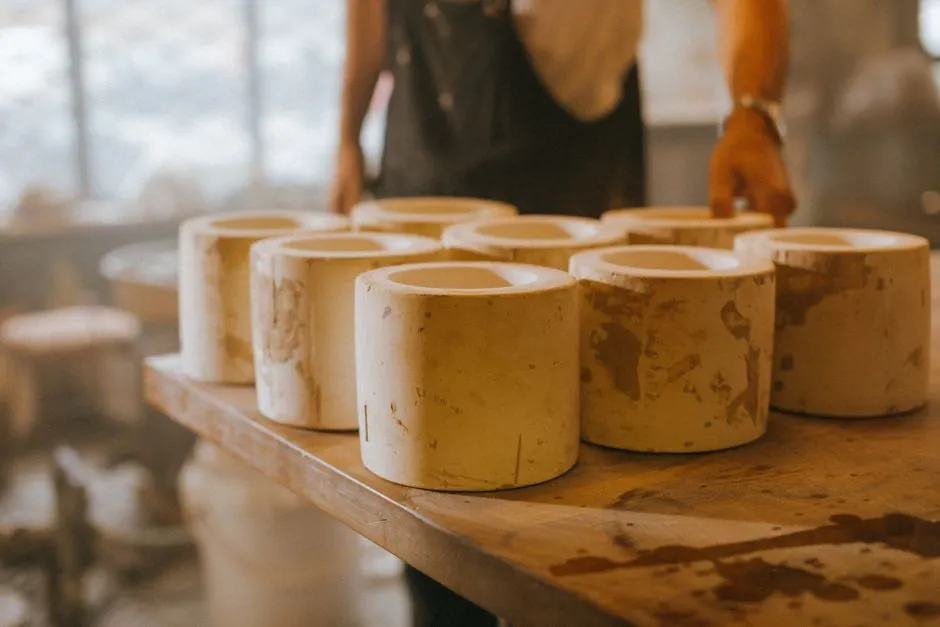
For lip-pour and teapot steel ladles up to 1 t, preformed one-piece shank inserts deliver up to 50 fills per lining and install in minutes without preheat [S1]. For ladles above 1 t, and especially steel shells in the 5–40 t range, monolithic castable linings are the default because the geometry exceeds preformed board size and the working lining thickness typically runs 100–200 mm [S1][S8].
Bottom-pour steel ladles from 500 kg to 40 t have been the production mainstream for more than 30 years and pair a refractory lining with either a Monoblock or assembled stopper system, which sets a hard preheating requirement that flows back into the lining choice [S3]. The reference foundry ladle envelope covers steel-fabricated shells, bull ladles, teapot ladles, and treatment ladles for ductile iron, all of which are lined but use different refractory architectures.
Material families and what each is actually made of
Traditional iron-foundry linings have been built from ganister (crushed silica rock), naturally bonded sand, or firebrick, or a combination of these materials, applied by ramming around a vented shell [S4][S5]. A typical shipboard ramming mix is 81.5% used steel backing sand, 15% silica flour, 2% bentonite, and 1.5% dextrine, with 5% water on the dry weight, dried through 3/16 in or 1/4 in vent holes drilled on 3–4 in centers [S4].
Modern monolithic systems replace the sand/fireclay mix with low-cement castables placed behind formwork and compacted by internal or external vibration, or with self-flowing castables that need no vibration at all, used in iron and steel melting processes for high resistance to mechanical and chemical erosion [S7]. Preformed options sit at the other end of the spectrum: factory-cast boards up to 45 t capacity, one-piece shank inserts to 1 t, and exothermic-bonded castable powders for any size [S1]. Coatings such as the Highland Ladle Lining Coating sit on top of the working lining, positioned for hot metal, spheroidizing, and grey/ductile cast iron ladles to extend lining life between repairs [S6].
Capacity and pour-type routing
Route selection is mechanical before it is chemical. Lip-pour and teapot ladles below 1 t match preformed shank inserts rated for up to 50 fills, with cold-start capability and no preheat [S1]. Ladles between 1 t and 45 t are split: preformed board systems cover the 1–45 t range when geometry is simple, while castable linings take over for tall or odd-shaped shells where a one-piece insert cannot be demoulded [S1][S8].
Above 40 t, slide gate systems take over from stopper-based bottom pour because very large castings usually need a single, controlled pour rather than a stopped sequence, and the ladle shell thickness starts to exceed what factory-cast inserts can ship [S3]. Below 500 kg, stopper mechanisms are usually omitted entirely, and investment casters default to teapot solutions where the metal leaves the ladle through a sidewall channel [S3]. Acetarc's standard shells are explicitly sized to take modern castable linings, which are usually thicker than traditional ramming mixes, so the shell is engineered around the lining, not the other way around [S8].
Installation time, preheat, and labor

Preformed shank and board systems install with minimum training, no capital investment, and a cold start, while castable linings require formwork, mixing, placement by vibration or self-flow, and a controlled dry-out schedule that runs through the shell vent holes [S1][S4][S7]. The dry-out step is not optional: pocketed moisture under molten metal expands rapidly and has been documented to blow metal out of the ladle with explosive force, which is why even traces of moisture cause porosity and unsoundness in the casting [S4].
Bottom-pour Monoblock stoppers add a parallel preheating requirement because the carbon-ceramic body has open porosity that picks up environmental moisture, and any trapped steam can crack the stopper [S3]. A vented metallic stopper rod with a central vent hole is mandatory for the same reason, because residual moisture has to migrate out through the vent during preheat and pour [S3]. A lined ladle is therefore two preheat schedules stacked: the refractory working lining and, where fitted, the stopper or slide gate.
Thermal performance and melt cleanliness
Insulating preformed linings allow foundries to adopt a lower tapping or holding temperature practice and to reduce variation in metal pouring temperatures, which improves chemistry control, cuts energy use, lowers furnace refractory consumption, and reduces slag inclusions and temperature-related casting defects [S1]. The KALTEK family is one published example where the same product line spans boards, shanks, and exothermic castable powders, giving a single thermal model across ladle sizes [S1].
Coatings and cover powders are a separate lever. FERRUX APC exothermic/insulating ladle cover powders sit directly on the metal in the ladle, before and during casting, to prevent heat loss, and Highland Ladle Lining Coating extends the life of the underlying working lining in ductile and grey iron service [S1][S6]. A clean metal practice with the right lining and cover combination reduces inclusions more than any single refractory choice. For comparison with the alloy steel vs carbon steel decision at the casting design stage, lining chemistry is upstream of alloy selection, and a higher tapping temperature or longer transfer time pushes the cast into a higher alloy cost band.
Comparison: preformed insert vs castable lining
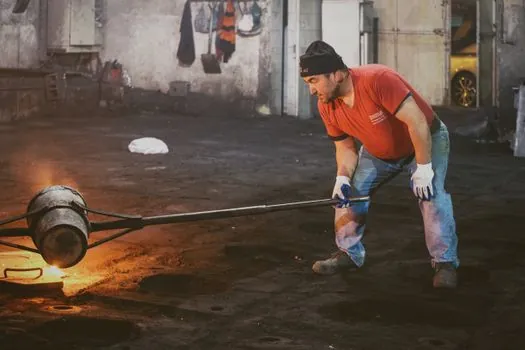
Across the four decision criteria that actually drive a foundry purchasing decision, the published data lines up as follows. Capacity: preformed shanks cap at 1 t, preformed boards at 45 t, castables cover any size [S1]. Install time: preformed inserts install quickly with minimum training; castables need formwork, mixing, and vibration [S1][S7]. Preheat: preformed insulating systems can cold-start, while Monoblock stoppers and castable linings both need a controlled preheat through vented shells [S1][S3][S4]. Life: preformed shanks are documented at up to 50 fills in steel service, whereas castable life is governed by erosion chemistry and is typically extended by patch repair materials such as ISOpatch rather than declared as a fixed fill count [S1].
For steel castings under 1 t on a lip-pour or teapot ladle, preformed shanks are the lower-risk default. For 1–45 t steel shells, the choice splits between preformed boards for simple geometry and castable linings for complex or tall shells, with Acetarc-class shells engineered around the thicker castable section [S8]. For 0.5–40 t bottom-pour steel with a Monoblock stopper, castable or board linings both work, but only if a preheating station is in place [S3]. For iron and ductile iron ladles including spheroidizing treatment ladles, self-flowing castables plus a coating give the most flexible service envelope [S6][S7].
Failure modes and operating constraints
The recurring failure modes are well documented and avoidable. Slagging of the ladle lining is highest when pouring steel, less with grey iron and bronze, and negligible with aluminum, so steel service is the harshest test of any lining system [S4]. Insufficient dry strength in the upper lining, the part that does not fuse in contact with metal, causes the rim to crumble into the pour stream, and the working lining must be vented during dry-out to prevent steam explosions [S4].
Bottom-pour systems add three extra failure paths: an un-vented or slag-blocked stopper rod traps moisture and cracks the stopper, a stopper installed without preheating is dangerous for the same reason, and a ladle taller than 2150 mm cannot use a Monoblock stopper because that is the maximum currently available length, forcing an assembled stopper with chamotte sleeves and a clay graphite head [S3]. Slide gate systems take over above 40 t because the casting volume justifies a single, unrepeated pour [S3]. A worn or cracked shell, badly scaled trunnions, and broken gear teeth on geared ladles are upstream of any lining decision, and any ladle in doubtful condition should be removed from service before the lining is even discussed [S4].
Standards, sourcing, and what to verify before ordering
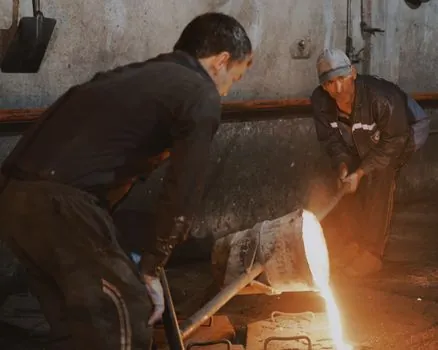
Refractory selection in the published sources is governed by application data, not by a single standard number, so the buying check is metallurgical and mechanical rather than regulatory. Confirm four items in writing: lining family and form (preformed board, preformed shank, castable powder, low-cement castable, or self-flowing castable); rated ladle capacity band in tonnes; rated life in fills or heats for the specific metal; and the preheat schedule, including whether a Monoblock or slide gate is in scope [S1][S3][S4][S7].
Shell-side prerequisites are also part of the spec. The shell should be vented on 3–4 in centers with 3/16 in or 1/4 in holes through sides and bottom if the lining will be rammed or cast in place, and the shell design should already account for the thicker castable section rather than legacy ramming-mix thickness [S4][S8]. For ductile iron treatment ladles, verify the lining coating is rated for the magnesium treatment chemistry, and for steel bottom pour, verify the stopper preheating station before signing for Monoblock stoppers [S3][S6]. Comparable spec discipline in adjacent process areas is laid out in the smart vs industrial camera selection guide and the carbide-tipped vs HSS saw blade write-up, where the same criterion-by-criterion pattern separates the two options.
The next decision node is a 30-minute trial swap of a preformed shank in one small lip-pour ladle against a control heat on the incumbent castable, measuring fill count to first crack and metal temperature at tap; a second trackable signal is whether the foundry's preheating station can hold a Monoblock stopper schedule for any future move to bottom pour above 1 t [S1][S3].
Spec-level background on the components involved: pressure transmitter, and flow meter.