
Electrolytic copper cathode (LME Grade A / Cu-CATH-1, 99.99% Cu minimum) remains the foundational feedstock for wire rod, busbar, and copper foil used in EV battery anodes and high-voltage cable conductors, and a July 2026 snapshot of the China export channel lists 99.99% high-purity electrolytic copper cathode at US$7.50-8.00 per kg with a 100 kg minimum order [S3].
The adjacent cathode materials segment — manganese-, nickel-, and cobalt-based oxides that ride on the same EV-battery and grid-storage demand curve — is forecast to reach $32.42 billion by 2030, growing at a 6.5% CAGR over 2024-2030, with North America and the USA leading regional share on the back of electrified-vehicle and consumer-electronics pull [S2].
Grade Bands and What the Spec Sheet Actually Means
Grade A (Cu-CATH-1) cathode must assay at least 99.99% Cu by weight under LME delivery rules, with the balance governed by a published list of permissible impurity ceilings rather than a single "four-nines" marketing line [S3].
For procurement engineers, the practical differentiator sits in the impurity envelope: sulfur, oxygen, and selenium ceilings determine whether the cathode can be drawn to 0.05 mm foil for lithium-ion anodes, rolled into busbar stock, or fed directly into continuous-cast wire rod without re-refining. The Made-in-China wholesale listings bracketing 99.99% purity at US$7.50-8.00/kg in mid-2026 represent the spot-traded, non-LME-registered band — usable for downstream copper-alloy and brass-mill buyers but not deliverable into LME warehouse stock [S3].
Demand Stack: EV, Grid, and Battery Storage
Cathode-materials demand is being pulled by lithium-ion battery cathodes (NMC, NCA, LFP) and sulfur/sodium-ion research lines, with the broader market forecast to grow from $4,250-per-license research-baseline values in 2026 toward $32.42 billion by 2030 at a 6.5% CAGR [S2].
Grid-side demand is independently reinforced: the high-voltage cable market that absorbs a large fraction of refined copper output is in its own 2027 forecast cycle, with publishers pricing business-user licenses in the $4,300-$4,330 range as of July 2026, signalling active analyst coverage of the underground-transmission and offshore-wind cable buildout that draws directly on cathode feedstock [S4]. For plant engineers specifying busbar, transformer winding, or copper material conductors, the cathode price floor is now coupled to two demand pullers — battery foil plants and HV cable mills — rather than the legacy single dependency on construction-grade wire rod.
Sourcing Geography: China, Chile, and the DR Congo Linkage
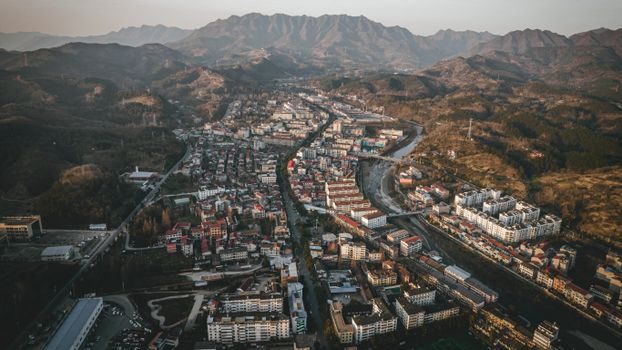
Electrolytic refining capacity is concentrated in China (Jiangsu, Shandong, and Inner Mongolia clusters), Chile, Peru, and the Democratic Republic of Congo, with the latter dominating the upstream cobalt feed that determines NMC cathode chemistry economics and, by extension, the marginal price of copper-cathode-fed busbar in cells with high cobalt content [S2].
The Made-in-China product tree lists 2026 wholesale offers from suppliers based in Wuxi and other Jiangsu refining hubs, which historically blend domestic blister+scrap feedstock with imported anode slime and black-copper from South American smelters [S3]. For buyers comparing a cathode procurement plan against an industrial valve or flow meter sourcing cycle, the same calendar risk applies: Chinese New Year (late January to mid-February) windows compress spot availability, and the July 2026 listings show pre-autumn inventory build typical of Q3 procurement cycles [S3].
Price Stack and How to Read the US$7.50-8.00/kg Band
The US$7.50-8.00/kg wholesale band on Made-in-China in July 2026 sits below the LME three-month copper price for the same window, reflecting the spread between registered and unregistered cathode and the freight/smelter-discount layered onto China-domestic tonnage [S3].
For a procurement decision tree, the banded comparison is: LME-registered Grade A cathode (delivered CIF or in-warehouse) carries full exchange premium and is the only grade acceptable for foil-rolling and precision-strip mills; China-domestic 99.99% cathode at US$7.50-8.00/kg suits brass-mill, busbar, and lower-spec conductor buyers; scrap-cathode and re-melted feedstock appears at deeper discounts but breaks the impurity envelope for foil and magnet-wire applications [S3].
Adjacent-Material Risk Controls
Because copper cathode is increasingly co-procured with nickel sulfate and cobalt sulfate for battery-component plants, sourcing managers should track parallel supply risk on the cobalt sulfate and nickel sulfate chains, both of which concentrate upstream in Indonesia and the DRC and expose cathode-of-choice for NMC/NCA cells to single-jurisdiction disruption. [S3]
For plant builds that pair copper busbar with pressure transmitter and PLC skids, a typical 2026 sourcing package therefore spans at least three independently tracked commodity risk lines — copper cathode, aluminum ingot (covered in the parallel aluminum ingot 2026 sourcing map), and nickel sulfate — and a single-discipline procurement officer will under-hedge that basket by default.
Limitations, Failure Modes, and What This Snapshot Cannot Tell You
The July 2026 Made-in-China listings are spot, non-binding indicative offers with 100 kg MOQ and a US$7.50-8.00/kg spread, not contract pricing, and the price range itself does not disclose LME-registered versus unregistered status, delivery incoterm, or impurity certification per heat [S3].
Three failure modes recur in cathode sourcing: (1) assay drift where the 99.99% headline masks a sulfur ceiling that breaks wire-drawing ductility, (2) MOQ slippage where small-quantity buyers cannot reach the 100 kg floor and end up paying distributor markup of 8-15%, and (3) calendar risk around Chinese refinery maintenance turnarounds in Q1 and Q3 that compress spot availability for 2-4 week windows. None of these failure modes is captured in the headline price band, and a flow meter spec map or pressure sensor data sheet is no substitute for a per-heat mill certificate on sulfur, oxygen, and selenium.
Two trackable signals for the next sourcing cycle: a fresh LME warehouse stock delta for Grade A cathode published on the first business day of August 2026 will reset the spot-versus-registered spread, and the next IndustryARC cathode-materials update will revise the $32.42 billion 2030 baseline against actual 2026 EV-battery buildout volumes [S2]. Until those nodes land, the prudent baseline is to lock 60-90 days of cathode offtake against the US$7.50-8.00/kg indicative band while keeping optionality open on LME-registered tonnes for foil and magnet-wire call-offs [S3].