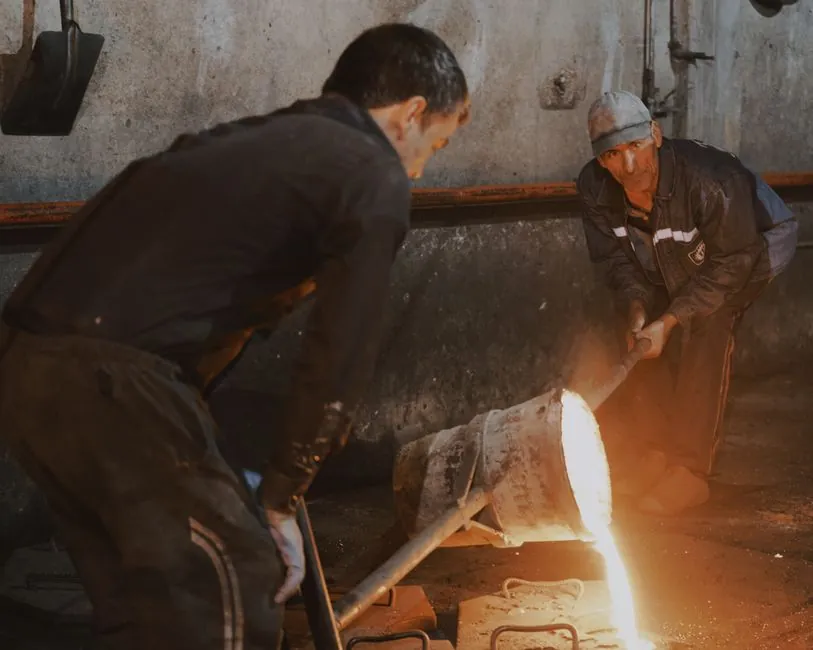
Cupola melt rate for cast iron scales with internal shell diameter, blast volume, and coke-to-metal ratio: small 450 mm diameter units tap roughly 1 tonne per hour, mid-size 2000 mm shells reach 30 t/h, and the largest 13 ft (3.96 m) diameter cold-blast or hot-blast cupolas are rated up to 100 t/h [S4][S5].
The economic threshold where a cupola furnace outperforms induction or channel holding furnaces sits above 40 t/h on uniform grey or ductile iron work, below which electric melting furnace options with 2–10 t/h ratings typically win on chemistry control and emissions [S2][S6].
Melt Rate Ranges by Cupola Diameter
The published size-to-throughput envelope is wide and continuous: cupolas from 18 inches (0.46 m) up to 13 ft (3.96 m) in diameter span about 0.5 to 100 t/h of cast iron, with refractory-lined steel shells forming a water-cooled vertical cylinder up to 60 ft tall [S4]. The most commonly cited mid-range band, 1–30 t/h, corresponds to 450–2000 mm internal diameters operating on varied fuel-to-metal ratios, while a 0.5 t/h experimental foundry unit demonstrates the design math at the low end using roughly 5,807 m³ of air per ton per hour and tap temperatures of 1320–1370°C [S3][S5].
For practical foundry sizing, three brackets cover most operations: 1–5 t/h for jobbing and short-run ductile iron, 10–30 t/h for mid-volume grey iron pipe and casting lines, and 40–100 t/h for high-tonnage continuous ductile or grey iron shops where a gas aluminum melting furnace is irrelevant but the cupola's continuous-feed model is the deciding factor [S2][S5].
TPK Efficiency: How Tonnage Ties to Blast Rate
TPK, defined as tons of hot metal per hour per 1,000 standard cubic feet of Equivalent Blast Rate (EBR), is the operating metric that ties melt rate to combustion air, fuel consumption, and stack heat losses in any cupola furnace [S1].
U.S. cupola TPK clusters in three bands: 2.3–2.8 for unlined shells and cold-blast stacks, 2.8–3.3 for refractory-lined mid-efficiency units, and above 3.3 for optimised hot-blast and oxygen-enriched operations, each band producing different absolute tonnages from the same blast volume [S1]. To target 10 t/h, foundry engineers back-calculate the required EBR from the cupola's TPK; the same calculation framework extends down to 0.5 t/h pilot units, where 5,807 m³ of air per ton per hour sets the blower sizing for the tuyere belt [S3][S8].
Cold-Blast Versus Hot-Blast Cupola Throughput
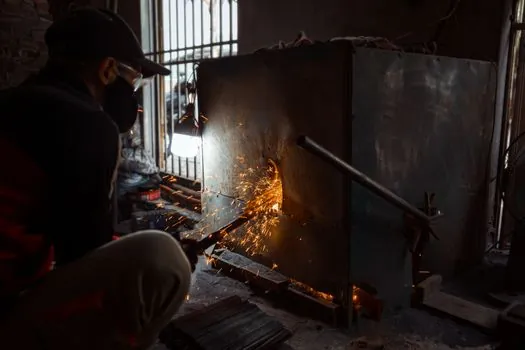
Cold-blast cupolas historically struggle with superheating and have an effective thermal efficiency of about 60%, which caps their practical melt rate per kilogram of coke burned and limits their competitiveness in foundries that need consistent tap temperatures above 1450°C [S7]. Hot-blast and oxygen-enriched designs lift the same shell diameter into the upper TPK bands and the upper end of the 1–100 t/h envelope by reclaiming sensible heat from the off-gas and preheating combustion air through recuperative or regenerative blast stoves [S1][S4][S7].
The cold-blast penalty shows up most clearly in ductile iron production, where base iron temperature and consistent carbon pickup matter more than raw melt rate, pushing operators toward hot-blast cupolas or electric holding furnace duplexing even when tonnage targets stay modest at 5–15 t/h [S1].
Cupola Versus Induction and Channel Furnaces
On uniform, high-volume grey and ductile iron work above 40 t/h, the cupola remains the better economic solution because its continuous-feed architecture and dirty-scrap tolerance cut cost per ton, and because electric furnaces generally require clean, dense, homogeneous charge to avoid refractory lining failures and efficiency loss [S1][S2]. Below 40 t/h, dual-channel or coreless induction units rated at 2–10 t/h with 500–750 kW per tonne of capacity and 1–2 hour charge-to-tap times typically win on emissions, melt-chemistry control, and footprint for jobbing and short-run work [S1][S6].
For mixed-scrap operations, the comparison narrows further: cupolas digest contaminated, oily, painted, and zinc-coated scrap that would damage an electric crucible furnace lining, which keeps cupola economics viable at lower melt rates when the charge mix is dirty [S1]. Operators often duplex, running cupola melt at 20–60 t/h into a channel or coreless holding furnace for temperature trim and carbon adjustment before pouring, splitting duties to keep cupola throughput high while using electric equipment where it pays [S1].
Regional Adoption and Iron Mix Shifts
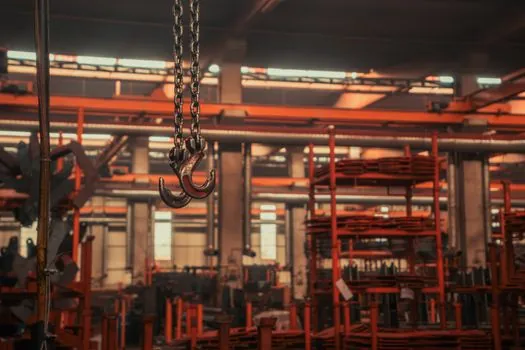
Cupolas still account for about 32% of all U.S. foundry iron production, roughly 4.7 million tons per year, with the top 10 cupola producers melting about 3 million tons annually, and the mix is split near 2.4 million tpy grey iron versus 2.1 million tpy ductile iron [S1]. Grey iron demand is contracting while ductile iron demand grows, which matters for cupola sizing because ductile iron runs typically demand higher and more stable tap temperatures, favoring hot-blast and oxygen-enriched shells inside the same 1–100 t/h envelope [S1].
For foundries weighing a switch to all-electric melting, the practical filter is simple: if the shop runs above 40 t/h on a uniform charge, the cupola's per-ton cost usually wins; if the shop runs below 10 t/h on variable scrap, an induction or gas aluminum melting furnace platform generally wins on control, even though the cupola can physically be built at any rating in the envelope [S1][S2][S5]. The same logic flows through related cast iron melting decisions, where the cupola geometry, coke rate, and tuyere design all co-vary with the chosen melt rate [S1][S4].
Sizing a Cupola: Air, Coke, and Heat Balance Inputs
The sizing chain for any cupola furnace is fixed: set the target melt rate, pick the operating TPK, solve the EBR from the blast rate formula, then size the blower, tuyere belt area, and stack height to match; a 10 t/h design exercise uses the same equations as a 100 t/h cold-blast unit, only with different absolute numbers [S8].
Practical design numbers worth carrying into a spec: about 5,800 m³ of air per ton per hour at the low end, tuyere-belt velocities typically set to keep coke bed combustion stable across the diameter range, and tap temperatures of 1320–1370°C achievable in small experimental shells, with 1450°C and above requiring hot-blast or oxygen enrichment for consistency [S3][S4][S7]. For related decisions on coke consumption and tuyere geometry at fixed tonnages, see cupola coke rate tradeoffs for mineral wool melting and cupola cross section: tuyere belt and well zone geometry; for downstream melt-handling choices tied to those tonnages, ductile iron vs PVC vs CF8M diaphragm valve bodies reads as the spec-driven selection guide for cast-iron wetted parts.
Track two signals over the next planning cycle: published TPK bands from U.S. cupola operators, which show whether the median cupola is climbing into the 3.3+ band, and U.S. ductile iron tonnage versus grey iron tonnage, which sets whether new cupola builds favor hot-blast shells above 40 t/h or whether induction displacement of low-rate cupolas accelerates.