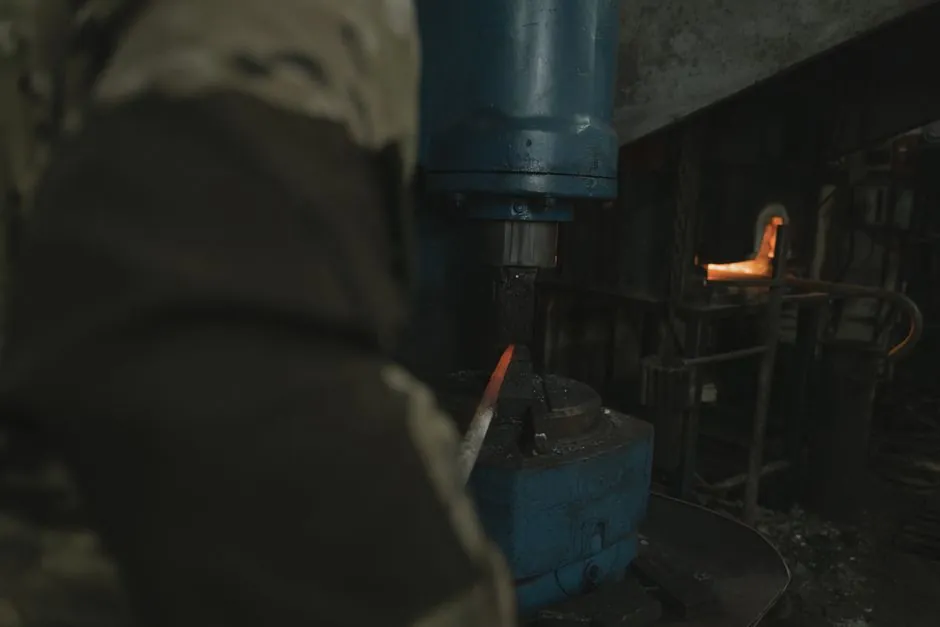
U.S. cupola foundries numbered 42 and produced approximately 53% of all domestic cast iron as of the 2018 industry census, with the 23 dedicated cupola-melting operators accounting for an estimated 6.07 million tons of iron melted per year out of a total 11.45 million tons melted annually [S1].
Of the 6.74 million tons of finished iron casting shipments, roughly 62% (3.75 million tons per year) of all gray iron and 38% (2.3 million tons per year) of all ductile iron was still being produced through cupola melting at the time of that survey, with ductile iron pipe, municipal castings, and high-volume automotive/industrial parts identified as the SIC sectors where cupolas remain the mainstay [S1]. Global context sharpens the picture: roughly 102 million metric tons of castings were produced worldwide in 2021, split across 43.8 million metric tons of gray iron and 24.8 million metric tons of ductile iron, with the European Foundry Association (CAEF) member countries delivering about 16.8 million tons or 16.5% of global production [S3].
Origin and Industrial Role of the Cupola
Archeological shaft furnaces capable of remelting pig or scrap iron before casting were operating in China by the Warring States period (475 to 221 BC), and by the Han dynasty (202 BC to AD 220) cupola-style furnaces were extensively used to remelt iron prior to casting, with excavated examples at Guxingzhen, Tieshenggou, and Wafangzhuang confirming the technology was already a standard foundry practice [S2]. In medieval Europe the design crossed into bronze melting, with Theophilus's 1125 AD bell-making description documenting a bellows-driven cupola-type furnace for bronze [S2].
Modern cupola shells are built as vertical cylinders of steel in diameters from 1.5 to 13 feet (0.5 to 4.0 m), supported on four legs, with the shell lined by refractory brick and plastic refractory patching material and a temporary bottom lining rammed from a clay and sand bod mixed with finely divided sea coal to ease tap-hole opening [S2]. A 450 kg per hour pilot cupola has been designed and fabricated from locally sourced pig iron, crop ends, and similar charge materials, demonstrating the design's scalability for batch and continuous operation [S6].
Process Configuration and Melting Performance
The cupola is a shaft melting furnace in which a counter-current flow transfers heat from rising combustion gases to the descending charge of coke, pig iron, circulation material, scrap steel, and limestone, with the metal melted and drained downward through tuyeres fed by a blast blower [S4]. Spout iron temperature from a modern cupola is reported at approximately 1,550 degrees C, sufficient for iron castings across a wide grade range [S5], and the molten iron can subsequently be adjusted for chemistry and temperature in a downstream induction furnace in duplex operation [S4].
Cold-blast cupolas, typically sized at 2 to 10 tons per hour, reach only about 60% thermal efficiency and struggle to reach high spout iron temperatures without sacrificing melting rate, while hot-blast cupolas using recuperators preheat the blast to 400 to 600 degrees C, accept higher scrap-steel fractions, and hold tighter iron composition spread [S4]. Post-combustion heat recovery has pushed hot-blast temperatures up to 1,150 degrees F, lowering the coke rate while slag is increasingly beneficially reused rather than landfilled [S1].
Output Capacity and Charge Flexibility for Pipe and Machinery
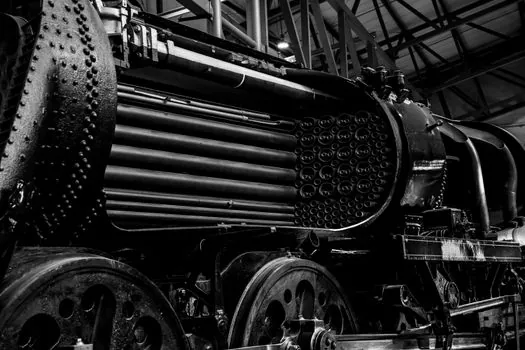
Operating cupolas deliver a melting rate range of roughly 1 to 100 tons per hour, adjustable up or down by 10% to 20% without disturbing steady-state operation, and individual furnaces can be specified below 1 t/h or above 100 t/h for atypical production needs, making the cupola the natural fit for high-tonnage pipe and machinery casting campaigns [S5]. Continuous production rates and flexibility in scrap input, including dirt, high-zinc, shredder-contaminated bundles, iron briquettes, high-oxide feeds, and self-reducing briquettes, give cupolas an economic edge in long campaigns [S1].
In ductile iron pipe and high-production automotive, industrial, and municipal foundries, cupolas are the mainstay because of that charge flexibility, while foundries requiring a wide variety of metallurgical grades have shifted toward electric melting [S1]. Some ductile and compacted graphite iron operations achieve up to seven iron-chemistry changes per day using in-spout alloy additions combined with in-stream desulfurization, which lets the cupola melt low-cost, high-sulfur scrap that electric furnaces reject [S1]. For a closer look at how the carbon pickup from the coke bed drives final cast iron grade, see the carbon pickup reference for bed height, coke rate, and TPK.
Slag and Waste Streams Tied to Tonnage
Global foundry output of roughly 102 million metric tons per year generates approximately one ton of foundry waste per ton of castings, with cupola slag alone representing up to 7.14 million metric tons annually, of which most currently goes to landfill [S3]. The waste composition breaks down as 65% to 90% used foundry sand, 2% to 10% used refractory materials, 1% to 7% melting slag, 2% to 6% dust and sludge, and 1% to 5% other waste, with cupola slag's high phosphorus content opening routes into agricultural fertilizer and ceramic-foam casting filters [S3].
For foundries looking to monetize that slag stream as a fine-aggregate substitute in concrete or as a feedstock for mineral wool, basicity control around the CaO/SiO2 acidity coefficient is the key lever, detailed in the cupola slag basicity reference. Capital-cost benchmarking for new cupola capacity, including the 2026 per-ton-hour cost drivers, is tracked in the cupola capital cost per ton-hour reference.
Cupola vs Induction: Where Each Melter Wins
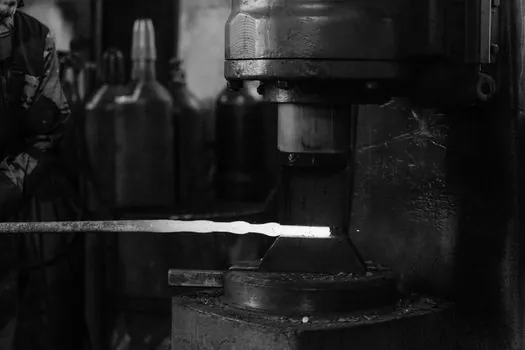
Atmospheric cupola and channel or coreless induction furnaces are the two dominant cast iron melting routes, and the right choice depends on output, charge mix, and grade diversity rather than on a single efficiency number. The decision matrix below lines the dominant factors against the two melter types. [S1]
Melting rate and scale: cupolas span 1 to 100 t/h and are most economic at high continuous tonnage, while induction furnaces are favored when a single shop needs to run smaller batches or frequent grade changes [S5]. Spout temperature control: cupolas hit about 1,550 degrees C at the spout with hot-blast or oxygen injection, whereas induction furnaces are often paired downstream of a cupola to fine-tune temperature and chemistry, a configuration referred to as duplex melting [S4][S5]. Charge tolerance: cupolas accept dirt, high-zinc, shredder-contaminated bundles, iron briquettes, and high-oxide scrap, while induction furnaces need cleaner charge to avoid slag buildup and electrical faults [S1][S5]. Capital intensity: cupolas have low investment cost relative to other melting units, and a 450 kg per hour pilot unit has been fabricated from locally sourced pig iron, crop ends, and limestone, while induction systems carry higher electrical infrastructure cost per ton of capacity [S4][S6].
Standards, Sectors, and What the Numbers Mean for Pipe and Machinery Buyers
Pipe foundries and machinery casting buyers specifying gray or ductile iron need to recognize that the cupola fraction of their supply chain is concentrated: in the U.S., 23 companies running cupolas account for the bulk of the 6.07 million tons per year of iron melted, with ductile iron pipe and high-production automotive/industrial/municipal grades as the anchor sectors [S1]. Worldwide, the 43.8 million metric tons of gray iron and 24.8 million metric tons of ductile iron produced in 2021 frame the upstream capacity feeding pipe, fittings, valve bodies, machinery housings, and municipal castings [S3].
Foundries that need to weigh cupola versus electric melting for a new ductile iron pipe line, machinery housing, or municipal casting contract should start from three numbers: the melting-rate band of 1 to 100 t/h per cupola with a 10% to 20% adjustability, the hot-blast preheat range of 400 to 600 degrees C in modern recuperator-equipped units, and the historic 53% U.S. cupola share of all cast iron output that signals which suppliers are most likely to have continuous melting capacity on hand [S1][S4][S5].
Two trackable signals for the next planning cycle: the AFS Metalcasting Forecast & Trends annual shipment and melting-tonnage update, which currently anchors at 6.74 million tons of iron casting shipments and 11.45 million tons melted across all iron types, and the cupola industry count of 42 operating U.S. cupola foundries, both of which will reset the 53% share figure when next published [S1].
The underlying component specifications are covered under cast iron, construction machinery and equipment, and cupola furnace.