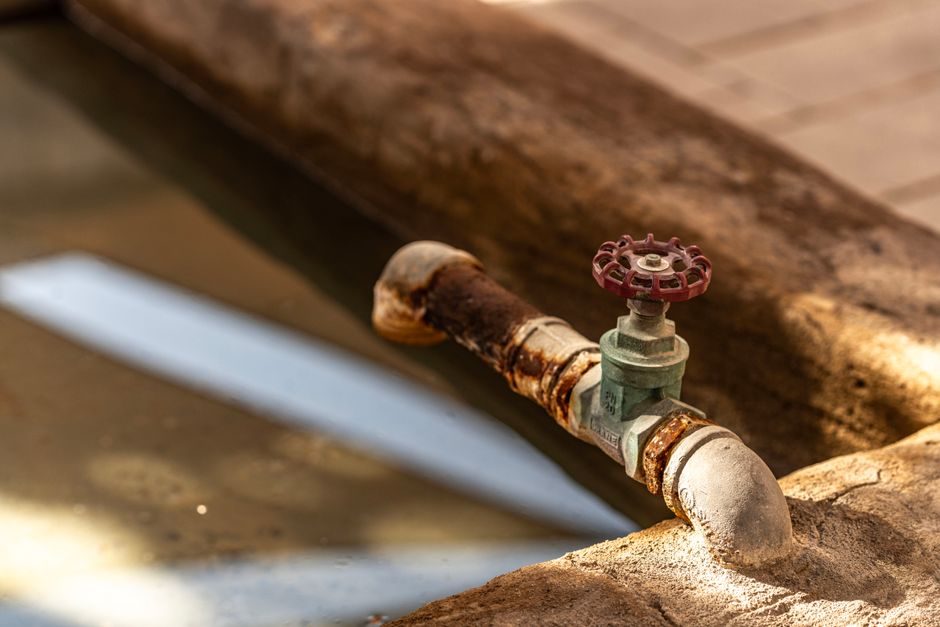
Entry-level cast-steel diaphragm valves on the China-export channel are listed from US$10.00 per piece at a 1-piece MOQ with a stated 900,000 sets/year production capacity, FOB Shanghai [S4]. That figure is the most aggressive baseline in the public 2026 sourcing window and anchors the low end of every cost conversation an engineer should have with procurement.
Higher up the spec stack, pilot-operated chemical models such as the Koganei PVS series (1.5 mm / 0.059 in orifice, 2-3 port, internal pilot) carry a thermal-isolation premium because the design intentionally blocks heat transfer from the solenoid to the process fluid — a feature most relevant to analyzer-dispensing and reagent-grade chemical service [S1]. For modulating duty, the Brandoni series 12.000 uses a membrane guided by a stem-bonnet-spring pack with on-body pilot circuits that allow upstream and downstream pressure control as well as flow regulation, an architecture that pushes the unit price into a different band than on/off chemical valves [S2]. For a refresher on the underlying mechanism, see the diaphragm valve reference page.
What Actually Drives the Price: Body, Lining, Size, Actuator
Across the four 2026 data points, the cost stack separates cleanly into four levers. Body material sets the floor: cast steel is the published low end at US$10.00/piece MOQ 1 [S4], while ductile-iron, stainless and alloy bodies scale up progressively. Lining is the second lever — rubber, PTFE (EPDM/FKM/PTFE/PFA options) and glass are common, and a PTFE or PFA liner typically adds a meaningful percentage on top of the bare-body price in chemical service. Size and pressure class form the third lever, with the Kemper Olpe 141 0G hydraulic distribution/drain series covering a hydraulic duty class that a cast-steel chemical valve would not [S3]. Actuator type is the fourth and often largest lever: manual and pneumatic actuators sit on the low side, while electric actuated regulating valves such as the Brandoni 12.000 — which uses a piston V-port unit on the related 13.000 series for higher-range throttling — add the cost of the motor, feedback and pilot trim [S2].
For process-side context, the diaphragm pump entry covers how the same elastomer-membrane principle scales to positive-displacement pumping, which is useful when justifying elastomer and liner selections across both valves and pumps in the same plant.
Entry Tier vs Pilot-Chemical Tier vs Regulating Tier
The 2026 public listings break into three distinct price tiers. Entry / general-purpose: cast-steel diaphragm valves, US$10.00/piece MOQ 1, FOB Shanghai, 900,000 sets/year capacity, typically supplied for water, neutral media and light industrial service [S4]. Pilot-chemical / analyzer tier: compact 1.5 mm-orifice, 2-3 port, internal-pilot valves such as the Koganei PVS, with thermal isolation between solenoid and fluid and the ability to drive up to two air-operated valves from a single solenoid [S1]. Regulating / modulating tier: electric-actuated, pilot-trim valves like the Brandoni 12.000 (membrane + stem-bonnet-spring) and 13.000 (piston V-port), designed for upstream/downstream pressure control and continuous flow modulation rather than simple isolation [S2].
Engineers specifying into pharmaceutical, food or high-purity chemical service should also consult the Diaphragm Valve Buying Guide 2026, which lays out the body, lining, actuator and pressure-class gates that determine whether a US$10 cast-steel body is even a valid starting point — in many hygienic services it is not.
Comparison: Three Reference Models on Four Decision Criteria

The cleanest way to compare 2026 options is on a fixed criteria set rather than a list price. Body & material: cast steel (lowest, [S4]) versus unspecified corrosion-resistant build for the Koganei PVS chemical series [S1] versus the Brandoni 12.000 with a membrane-and-spring actuation pack engineered for regulation [S2]. Function: on/off isolation (cast steel, [S4]) versus 2-3 port pilot switching with thermal isolation (Koganei PVS, [S1]) versus modulating pressure and flow control (Brandoni 12.000/13.000, [S2]). Typical service: water / neutral media / light industrial versus chemical and analyzer-dispensing versus regulated process lines with pilot circuits on the body. Actuation / control: manual or simple pneumatic versus internal pilot, single-solenoid driving up to two air-operated valves, versus electric with on-body pilot trim and V-port piston option. That four-row matrix is the structure procurement and engineering should align on before asking for quotations.
Standards, Compliance and Documentation That Move Price
Diaphragm valves in chemical, pharmaceutical, water and hygienic service are routinely specified against a stack of standards rather than a single document. ATEX 2014/34/EU governs equipment for explosive atmospheres and is the most common reason a baseline valve price increases by a double-digit percentage. Material-related standards such as NACE MR0175 / ISO 15156 (sour-service H₂S environments) constrain the body and trim metallurgy, while FDA and USP Class VI requirements on elastomer diaphragms and liners are routine in pharmaceutical and food service. Pressure-test and shell-design references such as ASME B16.34 and EN 12266 apply to the valve body, and end-connection standards (flanged ASME B16.5 / EN 1092-1, threaded BSP/NPT, welded BW/SW) determine which test certificates the factory must issue. None of these standards are optional add-ons in regulated service; they are the difference between a usable quote and a rejected one. [S1]
MOQ, Lead Time and Sourcing Signals in the 2026 Window

The MOQ spread in 2026 is wide. The China-export cast-steel listing accepts 1 piece [S4], which is essentially a sample order; Western European OEMs such as Brandoni and Japanese suppliers like Koganei typically work to higher MOQs and longer quoting cycles because their listed products are configuration items, not catalogue SKUs [S1][S2]. Hydraulic distribution valves such as the Kemper 141 0G sit in a different distribution channel again, often going through OEM hydraulic-system builders rather than end-user resale [S3]. For a Chinese-factory sourcing path, the 2026 Solenoid Valve Price & Cost Guide is a useful cross-reference because the same body, voltage, port and MOQ levers apply, and a US$10 MOQ-1 baseline is a structural feature of that channel, not a one-off.
Common Pitfalls When Reading a Diaphragm Valve Quote
Three failure modes recur in 2026 quotes. First, a US$10 cast-steel body is not the same product as a lined chemical valve; omitting the liner from the RFQ is the single most common reason a low quote is unusable on arrival [S4]. Second, pilot-operated valves such as the Koganei PVS are sized by orifice (1.5 mm in the cited case) and byCv, not by pipe size; copying a line size from a ball-valve datasheet will undersize the valve [S1]. Third, electric regulating valves in the Brandoni 12.000 / 13.000 class require the pilot-circuit and trim package to be specified explicitly; a "bare" electric actuated body quote is not field-installable for modulation duty [S2]. For the related elastomer-membrane equipment class, the diaphragm pump reference page documents the same elastomer and liner logic that drives long-term diaphragm life.
Trackable signals for the next sourcing cycle: monitor whether Chinese export MOQ-1 cast-steel listings remain at the US$10 floor through Q3 2026 [S4], watch for any new ATEX/IECEx dual-certified SKU in the Koganei PVS class [S1], and confirm whether Brandoni publishes a V-port trim option for the 12.000 series alongside the existing piston-based 13.000 [S2].
For component-level specifications, see linear guide.