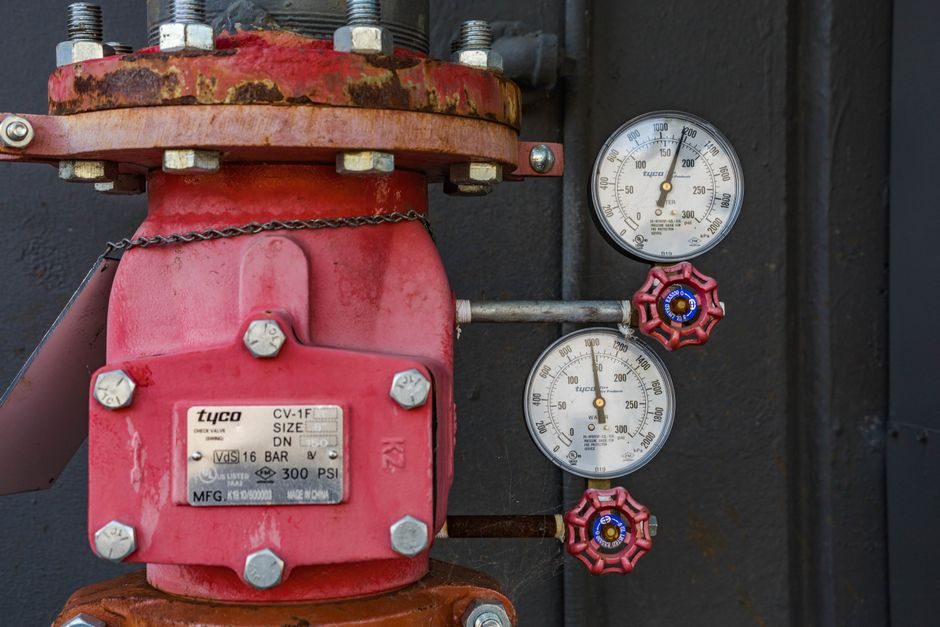
Diaphragm valves in the 2026 OEM catalog pool span sizes from DN40 (1.575 in) to DN600 (23.622 in) and a published pressure class up to 25 bar (362.6 psi) on hydraulically operated deep-well control valves [S2]. The format remains one of the most flexible shut-off and modulating choices for water, chemical, slurry, and analyzer-dispense service because the elastomeric or PTFE diaphragm isolates the process from every moving metal part [S1][S3].
This guide walks through the six spec gates that engineers lock before sourcing a diaphragm valve in 2026: body material and lining, size and pressure class, actuation mode, end connection, certification, and the linked system hardware such as the diaphragm pump or balancing valve on the same skid. Each gate carries concrete catalog values rather than vendor slogans.
Body Material and Lining: Where the Diaphragm Actually Pays for Itself
The diaphragm is the only wetted part that should ever need replacement in a properly specified valve, so the body-lining combination is the single highest-leverage spec gate. Engineered-plastic bodies with industrial-grade design are now common in landscape and water-service control valves, offering chemical resistance, cavitation tolerance, and articulated flange connections that absorb mechanical and hydraulic stresses [S3]. Metal bodies — typically cast iron, ductile iron, or stainless steel — remain the baseline for high-pressure or high-temperature service, and are often paired with replaceable PTFE or EPDM liners where the process is aggressive [S1].
UPVC, metal, and sanitary stainless variants are all offered as separate catalog lines by current Chinese OEM catalogs in 2026, confirming that body material — not just diaphragm grade — is sold as a distinct SKU [S6]. For abrasive or scaling media, a body with a full bore and no crevices is preferred so solids pass through; the Brandoni 12.000 series uses a membrane supported and guided by a stem–bonnet–spring unit specifically to handle this kind of variable flow and pressure regulation duty [S4].
Size, Pressure Class and End Connection: The Numbers That Lock a Quote
Current 2026 catalog data shows a working range of DN40–DN600 with a 25 bar (362.6 psi) pressure ceiling on hydraulically operated diaphragm valves used for deep-well pump control [S2]. Smaller instrumentation-style diaphragm valves, such as the Koganei PVS series for analyzer dispensing, are sized for low-flow, low-pressure chemical circuits and are typically controlled by a single shared solenoid, with the catalog explicitly noting that "valves can be controlled simultaneously by a single solenoid valve" [S1]. This is the same logic that drives diaphragm pump skid design, where metering accuracy depends on a stable, repeatable stroke volume.
End-connection choice matters as much as size. The BERMAD 105-M line is described as "adaptable on-site to a wide range of end connection sizes and types," with articulated flange connections that eliminate mechanical and hydraulic stresses on the body [S3]. Buyers should confirm whether the chosen body accepts wafer, lug, flanged, threaded, or tri-clamp ends, and whether the lining covers the flange face — a common leak path when an installer re-tensions a lined valve.
Actuation Mode: Hydraulic, Electric, Pilot, or None
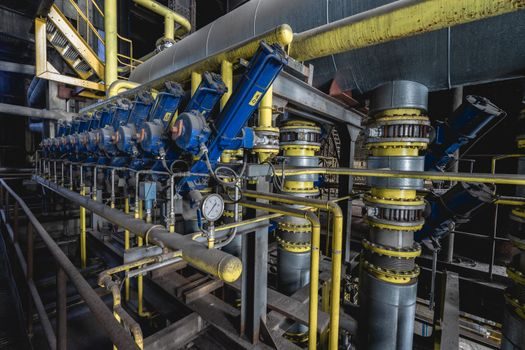
Actuation is where 2026 diaphragm valve catalogs diverge the most. Four modes are visibly active: hydraulically operated line-pressure-driven valves for water and landscape service [S3]; electrically operated modulating units for flow and level control with pilot circuits mounted directly on the body [S4]; non-electric automatic filter control valves that run on line pressure and a pilot circuit only, with no external power [S5]; and pilot-controlled multi-valve manifolds driven by a shared solenoid for chemical dispensing [S1].
For deep-well pump service, the hydraulically operated valve "branches off the main line and is synchronized with the pump's electric control" and adds "advanced active check valve logic" to standard pump systems [S2]. Where the same skid also needs isolation or pressure balancing upstream and downstream of the diaphragm station, a balancing valve is normally specified alongside rather than in place of the diaphragm valve, because the two serve different duties.
Function: On/Off Isolation vs Modulating vs Backpressure Control
Diaphragm valves cover three functional roles: on/off isolation, continuous modulation, and pressure/flow regulation. Hydraulic control valves in the BERMAD line "open and shut in response to a pressure command," using line pressure as the operating medium rather than an external actuator, which keeps the BOM small for remote or buried sites [S3]. Modulating duty — described as "for low flow rates, for sand" on the WW-745 datasheet — is more demanding because the diaphragm is stroked continuously, which shortens life if the medium is abrasive [S2].
For analyzer-dispense and chemical metering, pilot-controlled diaphragms give finer proportional control at small Cv, and a single solenoid can stage multiple valves for sequential dispensing [S1]. Filter control in multimedia beds is a fourth emerging role, where the G-series non-electric automatic filter valve runs an entire backwash cycle on hydraulic pilots alone, removing the need for power and instrumentation at the filter vessel [S5].
Certification, Application and Failure Modes to Spec Against
For chemical and analyzer service, the published 2026 catalog copy explicitly tags bodies as "hydraulic / pilot / for chemicals" and "engineered plastic valve with industrial grade design" — language that maps onto the chemical-resistance and cavitation-tolerance claims buyers will want to verify against an actual chemical compatibility chart, not just the brochure [S1][S3]. For potable water and landscape, the same vendor highlights "highly durable, chemical and cavitation resistant" plastic construction, which is a different test regime [S3].
Common failure modes in the field — diaphragm fatigue from over-stroke, liner cold-flow under sustained pressure, flange-face leaks on lined bodies, and cavitation pitting on metal bodies in high-pressure drop service — are all driven by specs locked at the buying stage, not by the actuator brand. That is why a spec gate review of body, lining, size, actuation, function, and certification is the only reliable way to avoid a repeat failure, and it is the same approach used in the related diaphragm wall grab and isolation-valve work on construction sites.
Cost, Lead Time and Sourcing Channels in 2026
2026 OEM catalogs on DirectIndustry list diaphragm valves from European suppliers (Koganei PVS, BERMAD CS Ltd WW-745 and 105-M, Brandoni 12.000), Chinese manufacturers (POV Valve's metal, UPVC, and sanitary lines), and specialty irrigation brands (JK-Matic G-series filter valves), with pricing flagged as "pre-tax, indicative only, may vary by country, with changes to the cost of raw materials and exchange rates" [S1][S2][S3][S4][S5][S6]. That last caveat is the one that bites first: elastomer and PTFE raw-material swings in 2025–2026 have pushed lined-valve quotes to vary month to month, so budget approvals should carry a stated FX and raw-material clause.
For buyers comparing sourcing channels, the practical split is: European OEM for certified chemical and modulating service at DN100+; Chinese OEM for UPVC, sanitary, and metal-body commodity sizes with short MOQ; specialty irrigation brands for non-electric filter and landscape duty. Comparable reference points for other capital equipment line items — VFD cabinets, capping machines, gas detectors — follow a similar certification-versus-cost split, and the same logic is documented in this 2026 VFD price guide and the gas detector buying guide. For a deeper read on the spec gates alone, the selection piece on six spec gates engineers lock before sourcing a diaphragm valve lines up one-to-one with the structure above.