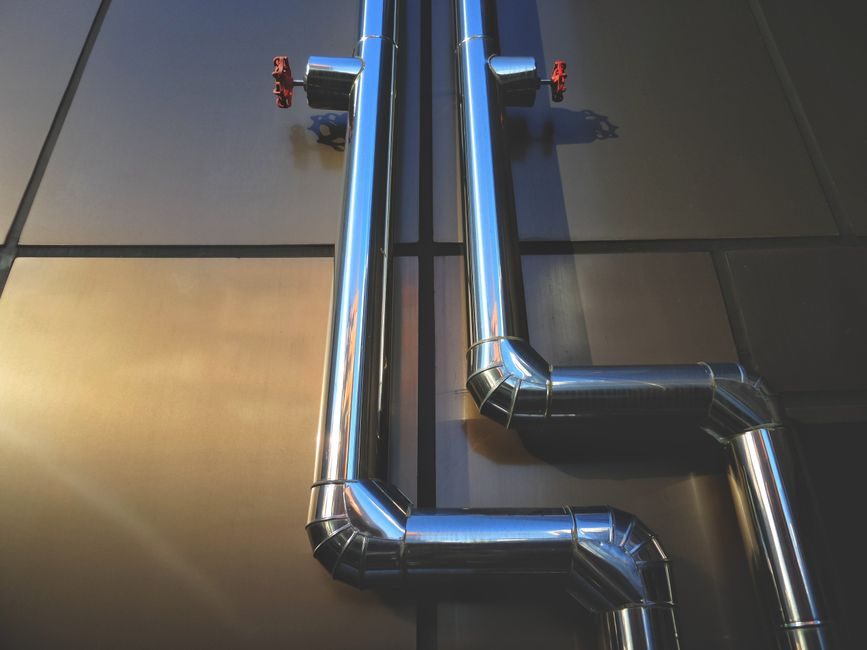
Diaphragm valve specification in 2026 is dominated by six engineering decisions — body and lining material, diaphragm elastomer, actuation package, pressure-temperature class, end connection, and media chemistry — and the combination drives both unit price and mean-time-between-service intervals across water, chemical and slurry service [S1][S2][S3].
The valve is fundamentally a Weir or straight-through design in which a flexible diaphragm is pressed against a weir or seat to isolate flow, so the wetted path is limited to the body, liner and diaphragm with no stem packing to leak or corrode [S1][S2]. That architecture is why diaphragm units are specified for de-ionized water, abrasive slurries, corrosive and sterile chemical service where conventional ball valve or butterfly valve packing would fail [S2].
Body and Liner Material: Where the Process Fluid First Touches Metal
Body materials in the diaphragm-valve family span cast iron, ductile iron, carbon steel, stainless steel (304/316), alloy 20, Hastelloy and PVDF/PP-lined steel, and the choice is driven first by corrosion allowance and second by mechanical class [S1][S2]. For de-ionized water loops, semiconductor wet-bench and pharmaceutical WFI, PP or PVDF liners are common; for abrasive mining slurries, rubber-lined (natural rubber, EPDM, Hypalon) ductile iron bodies are the default because the elastomer absorbs particle impact that would gall a metal seat [S2].
Century Instrument's 730-RV pressure-reducing/back-pressure/relief diaphragm control valve line is offered across this body spectrum specifically for de-ionized water, slurries, corrosive and abrasive liquid service [S2]. BERMAD's BC-410-P extends the same architecture with electric or hydraulic actuation in a rugged, 3-way, normally-closed/open switching form factor [S1].
Diaphragm Elastomer: The Wear Part That Defines Service Life
The diaphragm is the only true consumable in a weir-type diaphragm valve and its elastomer grade sets both chemical compatibility and cycle life. Common grades include EPDM (steam, hot water, weak acids/alkali up to roughly 150 °C), natural rubber (abrasive slurries), FKM/Viton (hydrocarbons, strong acids), PTFE-faced EPDM (broad-spectrum chemical service) and PTFE-laminate constructions for higher-temperature aggressive media [S2][S3].
Operating temperature bands for PTFE-faced diaphragms typically reach 150–180 °C continuous; pure PTFE diaphragms can push higher but at reduced cycle life. EPDM diaphragms exposed to hydrocarbon oils will swell and fail rapidly, while natural rubber is unsuitable for oxidizing service — these are the typical mismatches that show up as short interval failures in the field.
Pressure-Temperature Class and Liner Ratings
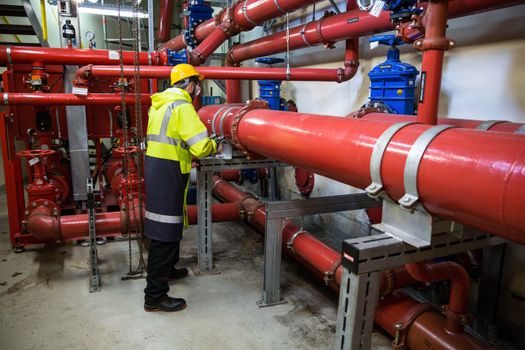
Diaphragm valves are commonly rated to ANSI Class 125 / PN 10 / PN 16 body classes as the metal-frame limit, with the actual working pressure further de-rated by the liner choice and temperature [S2]. Rubber-lined bodies are usually capped around 10–16 bar at ambient and drop with rising temperature; PTFE/PVDF liners cap at lower pressure but carry higher chemical and temperature envelopes.
Forged stainless and alloy bodies can reach ANSI 300 / PN 40 on the metal side, but the diaphragm and liner still set the practical working envelope. Always cross-check the body class, liner rating and diaphragm grade together; the lowest of the three is the real working ceiling for the application.
Actuation: Manual, Electric, Hydraulic, Pneumatic and Non-Electric Automatic
Actuation is the second-largest cost driver after body/liner. Options cover handwheel, gear operator, pneumatic spring-return, pneumatic double-acting, electric, hydraulic and the non-electric automatic filter-control packages used on multimedia filtration skids [S1][S3]. JKG's G-series non-electric automatic filter valve uses hydraulic pressure from the inlet line itself to drive the diaphragm through a self-contained pilot circuit — no external power, no solenoid, no control air, and it is dedicated to multimedia sand and media filtration [S3].
BERMAD's BC-410-P demonstrates the electric/hydraulic switching end of the spectrum: 3-way, normally-closed or normally-open, integral, rugged, with both electric and hydraulically-operated variants on the same body footprint [S1]. Pneumatic spring-return dominates chemical and slurry dosing because fail-safe action is built in; electric actuation dominates remote-site and SCADA-integrated water and irrigation networks where a 4-20 mA or on/off signal is available.
End Connections, Face-to-Face and Installation Footprint
End connections for diaphragm valves span threaded (NPT/BSP), flanged (ANSI 125/150, PN 10/16), wafer, lug, and socket/butt-weld for sterile or high-purity service [S2]. Face-to-face dimensions historically follow the manufacturer's standard rather than ISA 75 standards universally, so replacement-in-place against an existing line-up must be checked against the actual cut-sheet dimensions — a common procurement trap.
For diaphragm pump skid packages and pre-fabricated filtration skids, the non-electric automatic G-series valve is offered with threaded and flanged ends sized to the filter vessel port, which simplifies field plumbing and reduces the number of transition fittings on a multimedia skid [S3].
Decision Matrix: Weir vs Straight-Through, Lined vs Unlined, Manual vs Actuated
For process engineers choosing between configurations, four criteria carry most of the decision weight: (1) media — clean fluid or slurry, corrosive or abrasive, sterile or general; (2) operating pressure/temperature envelope; (3) control function — on/off isolation, pressure reducing, back-pressure, relief, filter backwash sequencing; (4) actuation source — available air, electric power, hydraulic, or none. The diaphragm valve page on SourceBySpec walks each of these against the Weir vs straight-through trade-off. [S1]
A typical shortlist looks like: rubber-lined weir-type ductile iron with EPDM diaphragm and pneumatic spring-return for abrasive slurry; PTFE-faced weir-type stainless with electric actuator for corrosive chemical dosing; non-electric automatic hydraulic-pilot filter valve for media filtration [S1][S2][S3]. For cost benchmarking on the wider valve family, the Control Valve 2026 Price & Cost Guide and the Solenoid Valve Selection Criteria 2026 walk-through cover adjacent valve classes under the same spec-gate logic.
Common Failure Modes and Selection Mistakes
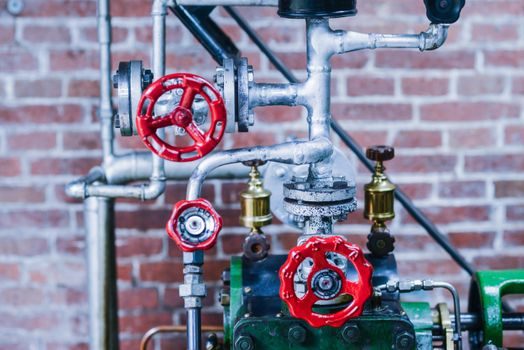
Three failure modes dominate field reports: diaphragm rupture from elastomer/chemical mismatch, liner collapse from vacuum or water-hammer on un-reinforced PTFE/PVDF liners, and seat weeping from solids entrapment on weir-type designs handling fibrous slurry. Specifying EPDM where the media carries hydrocarbons, or specifying a hard PTFE diaphragm where the slurry contains angular abrasive particles, both shorten service life by an order of magnitude versus the correct grade. [S2]
Vacuum service on a lined body also needs a vacuum-resilient liner and a body drain path; failure to specify this is the second-most-common procurement error. For skid builders integrating diaphragm pump discharge pulsation dampening, suction-side accumulator sizing and discharge pulsation filters should be reviewed alongside the valve spec, because the valve alone cannot compensate for the pump's flow ripple.
Standards, Sourcing and Procurement Bands
Diaphragm valve specifications are typically cross-checked against ASME B16.34 (valve design and testing), MSS-SP (face-to-face and end connections), and where applicable ASME BPE for sanitary/biopharm service; elastomer compatibility is verified against the elastomer supplier's chemical resistance tables rather than a single valve standard [S2]. For water and irrigation service, BERMAD and similar suppliers publish ISO 9001 / EN 12255-1 compliant documentation and AWWA-grade pressure ratings on the data sheet [S1].
MOQ bands for the body/lining/actuation combinations covered above typically run 1–5 units for manual and pneumatic on common sizes (DN50–DN150, 2"–6") and 5–20 units for electric-actuated or special-liner builds; lead times for non-electric automatic filter valves sized to a specific filter vessel typically fall in the 4–8 week band from Chinese OEM stock [S3].
For the actual unit cost bands by body class, liner and actuation, the Control Valve 2026 Price & Cost Guide lines diaphragm valves up against globe, ball valve and butterfly valve alternatives under the same class and MOQ assumptions. Two trackable signals to watch: elastomer grade availability for high-temperature steam and a more aggressive move by Chinese OEMs on stainless 304/316 lined bodies under PN 16 [S2][S3].