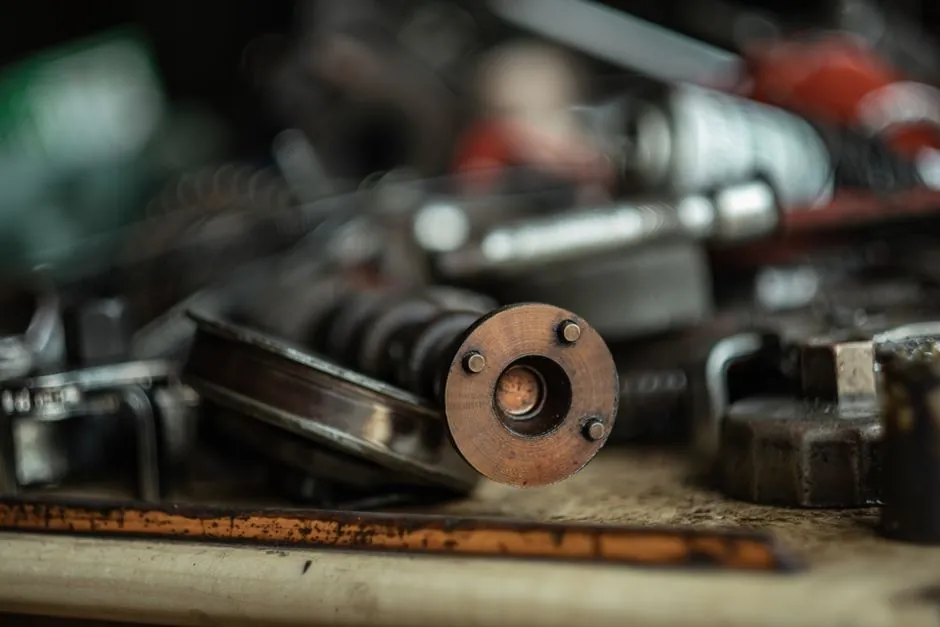
Spare parts for a die casting cell fall into two distinct procurement lanes: wear-prone consumables that you cycle every shift, and capital spares that you replace once per decade or after a failure event [S1][S2]. Treating them as one budget line is the single most common reason unplanned downtime eats into OEE on aluminum and zinc cells.
The wear-consumable category on a typical cold chamber or hot chamber machine includes shot sleeves, plunger tips, plunger rods, gooseneck liners, ladle cups, die clamps, hand sprayers, and die-release spray consumables [S2][S7]. Structural spares, by contrast, cover tie bars, tie bar nuts, platens, cross slides, nozzles, shanks, melting pots, hydraulic pumps and valves, AC servo motors, and PLC modules [S3][S4]. The dividing line is service life: consumables live in the cycle-counted world, structural spares in the failure-counted world.
Wear Consumables: What Dies Every Shift and What to Stock
Cold chamber aluminum and magnesium cells typically spec a high-wear alloy injection head (also called a shot sleeve assembly) rated for continuous service at the metal's pouring temperature, with replacement driven by ID bore growth and surface washout rather than a calendar interval [S2]. The plunger tip pairing must match the shot sleeve ID; mixing brands or hardness grades is a documented cause of cold shuts and solder defects on a cold chamber die casting machine.
Hand-spray consumables (nozzles, extensions, mix heads), die clamps, ladle cups, and plunder rods are the daily-cycle items stocked on the floor next to the machine [S7]. Die release agents, plunger lubricants, and die-spray compounds sit alongside as fluid consumables; one Taiwan distributor groups die casting oil, spray gun consumables, and casting consumables as a single replenishment bucket for the cell [S1]. A practical floor rule: any consumable with a shift life under 30 days belongs in the cell-side rack, not the central warehouse.
Capital Spares: Tie Bars, Platens, Goosenecks, and Hydraulics
Structural spares carry model-specific part numbers and are not interchangeable across machine builders, which is why independent rebuilders like Busch Precision, Die Cast Machinery, and the Longhua accessory channel exist alongside OEM parts desks [S3][S4]. A rebuilt toggle linkage assembly for a 400 ton HPM II-400-A is a current inventory item, not a custom job, on the US secondary market [S3].
Common capital-spares families documented in vendor catalogs: tie bar and tie bar nut assemblies, platens, cross slides, goosenecks (with rebuild service available), nozzles, shanks, plungers, piston rings, and melting pots for zinc, aluminum, and magnesium cells [S4]. On the controls side, AC servo motors (1.7 HP / 1.3 kW Intek MPM1141-489 units are a known cross-reference for legacy Rimrock 405 and 410 sprayers), hydraulic pumps, hydraulic valves, and PLC spares round out the structural inventory [S3].
Who This Lane Is For, and Where the Generic Advice Breaks
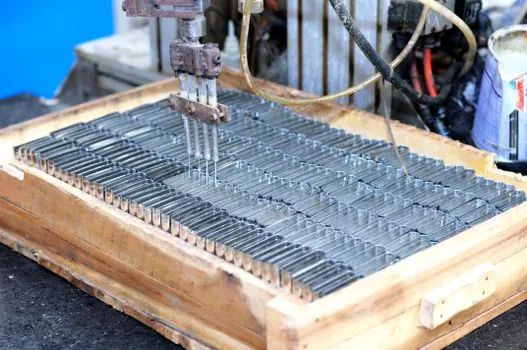
The OEM consumable channel is the right answer for a cell under warranty, a high-mix job shop running tight-tolerance medical or structural parts, or any vacuum die casting machine build where shot-sleeve ID concentricity is on the print. OEM consumables cost 20-40% more than third-party equivalents but arrive traceable to a heat-lot number, which is the difference between an auditable PPAP submission and a rejected one [S1][S2].
Independent rebuilders and used-parts dealers are the right answer for capital spares on legacy or end-of-life machines, where the OEM has either discontinued the part or quoted a 16-week lead time. The structural-spares lane also makes sense for non-wearing items: a tie bar is a tie bar, regardless of who forged it, provided the steel grade and tensile rating match the machine drawing [S3][S4]. Where the generic advice breaks: never source a shot sleeve, plunger tip, or gooseneck liner from a non-OEM unless the supplier publishes a matched alloy grade and a verified ID tolerance, because a 0.1 mm bore mismatch shows up as a flash line in the first 500 shots.
Selection Criteria: A Four-Axis Comparison of the Main Options
Across the three main sourcing lanes (OEM direct, authorized distributor, independent rebuilder), the decision collapses onto four axes: lead time, traceability, cost, and technical support. OEM direct wins on traceability and support, loses on cost and lead time. Authorized distributors split the difference. Independent rebuilders win on lead time for legacy parts, lose on traceability paperwork. [S1]
For a zinc die casting machine hot chamber cell, the consumable mix is dominated by gooseneck, plunger, and nozzle wear because the metal stays molten inside the machine, and a single gooseneck rebuild is documented as a stocked service rather than a custom job [S4]. For an aluminum die casting machine cold chamber cell, the wear budget shifts toward the shot sleeve and plunger tip, which see a fresh charge of molten metal every cycle. For a magnesium die casting machine cell, the consumable list expands to include SF6 cover gas system spares and a stricter oxygen-monitoring sensor replacement interval, since magnesium fires at 473 degrees C in air.
Storage, Stock Levels, and the 90-Day Rule
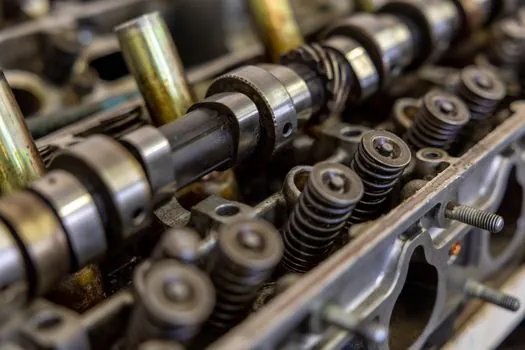
Vendor pages for die cast consumables list ladle cups, die clamps, hand sprayers, shot sleeves, plunger rods, and plunger tips as the fast-mover SKUs that should never sit below a par level tied to your average weekly consumption [S7]. A defensible floor-stock policy is 90 days of cover for fast-mover consumables, 30 days for hydraulic seals and PLC cards, and zero for capital spares unless the machine is over 15 years old and the OEM has issued an end-of-life notice [S3].
Cross-reference part numbers before you commit to a SKU, because the same physical part can carry three different catalog numbers across the OEM, the distributor, and the rebuilder, and the price gap is typically 2x to 4x. The Die Casting Machine Inspection Checklist walk-down on SourceBySpec pairs with this spares map: the checklist tells you what to measure, the spares list tells you what to have on the shelf when the measurement fails.