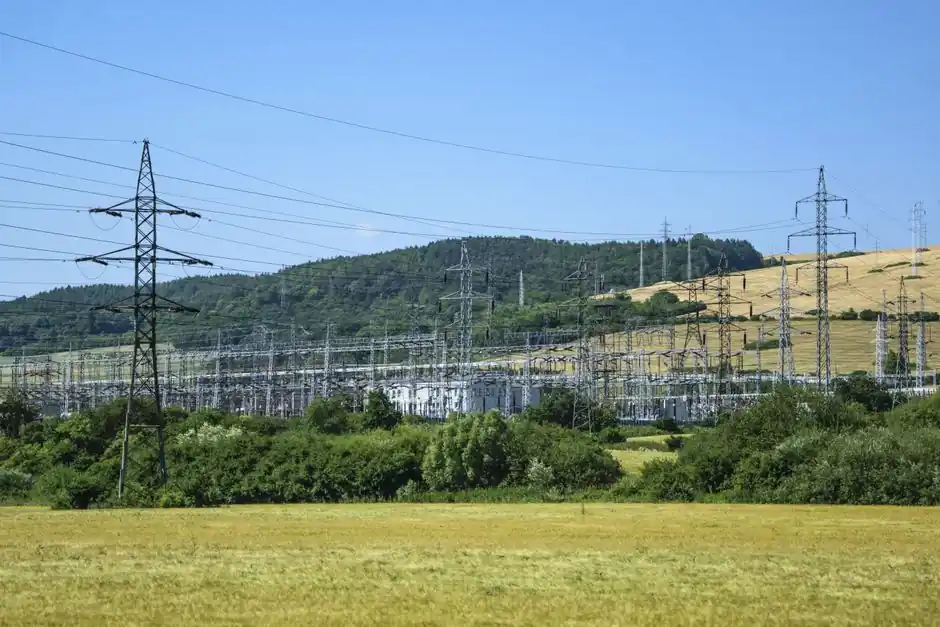
Distribution transformer lead times in 2026 sit at 30 to 50 weeks for standard builds, with 500 to 5,000 kVA pad-mounted units now quoted at 40 to 65 weeks and 1,000 kVA pad-mounts running 50 to 80 weeks at capacity-constrained shops [S1][S5][S8].
Pre-pandemic ordering of 8 to 12 weeks for a stock 25 to 100 kVA pole-mount or 500 to 2,500 kVA pad-mount has not returned; spec sheets that used to ship in one quarter now span three to four quarters even for off-the-shelf voltage classes (120/240 V, 480 V, 12.47 kV, 25 kV, 34.5 kV primaries) [S1][S3].
kVA Band Lead-Time Map for 2026 Orders
Off-the-shelf catalog distribution units in the 15 to 500 kVA single-phase pole-mount and 75 to 300 kVA three-phase pad-mount class now quote 30 to 48 weeks, and three-phase pad-mounts in the 500 to 5,000 kVA class are running 40 to 65 weeks at major US OEMs [S5][S8].
Substation-class units from 5 to 50 MVA have escalated further, with 75 to 110 week windows reported by active project procurement data, and generator step-up transformers above 50 MVA clearing 100 to 150+ weeks at multi-utility queues [S2][S5]. Distribution lead-time data is benchmarked against the broader power distribution equipment cycle, where the same capacity bottleneck is hitting switchgear, ATS, and UPS lines in parallel.
The smaller end has not normalized either: standard 25 to 100 kVA units averaged 28 weeks in 2025, and custom large units crossed 52 weeks, an extension of roughly 2.5x to 3x over the 2019 baseline of 12 to 16 weeks [S3][S9].
What is Driving the 30-65 Week Window
Three forces are compounding: US data-center electricity demand grew more than 18% in 2025, pulling the same steel and copper that serve utility distribution orders; aging 1970s to 1990s assets are being replaced at a faster clip than the installed manufacturing base can retool; and grain-oriented electrical steel (GOES) production is concentrated in a handful of mills globally, so any disruption stalls core-stack delivery [S1][S3][S5].
Beyond raw materials, component bottlenecks on LBOR loadbreak switches, fusing, gauges, bushings, and tap changers have lengthened since 2020, so even a standard kVA rating on a standard voltage class hits a parts queue that pushes 30-week builds to 40 or more [S4]. Skilled winder and assembler labor is short, so adding a third shift does not double throughput the way it would in a less specialized shop [S4].
Grid hardening after major storms has pulled utilities that historically ordered 2,000 distribution transformers per year up to 4,000 to 5,000, doubling the queue at the same OEM base that has not added winding capacity at a matching rate [S1].
Selection Criteria: kVA Class, Voltage Class, and Custom Scope

Selection in 2026 starts with three variables that drive lead time more than any spec sheet option: kVA rating, primary voltage class, and whether the build is catalog or custom. [S3]
For 15 to 500 kVA single-phase pole-mount and 75 to 300 kVA three-phase pad-mount on common voltages (120/240 V, 240/120 V, 480 V three-phase, 7.2 kV, 12.47 kV, 13.8 kV, 24.94 kV, 34.5 kV primaries), off-the-shelf catalog units from inventory-bearing suppliers run 12 to 26 weeks; the same kVA on a custom specification stretches past 40 weeks in constrained periods [S4][S7]. For 500 to 5,000 kVA three-phase pad-mount on standard voltages, 40 to 65 weeks is the working number at most US shops, with 1,000 kVA pad-mounts hitting 50 to 80 weeks at the tightest end of the queue [S5][S8]. Above 5 MVA into substation class, the clock resets and 75 to 150+ weeks applies.
Custom scope items that add weeks fast: special impedance targets (for harmonic-rich data-center loads), non-standard tap ranges, ester-fluid or dry-type platforms instead of mineral oil, and customer-witnessed factory acceptance tests scheduled into the OEM test queue. A buyer who can hold to DOE 2016 efficiency levels and standard impedance (5.75% to 7.5% for most pad-mounts) typically saves 8 to 16 weeks versus a unit engineered to a one-off spec [S4][S7].
Who the 2026 Lead Times Are For, and Who They Are Not
These lead times apply to buyers sourcing new OEM units from US and major-OEM production lines: utilities running standard pad-mount replacement programs, EPCs building data-center substations, industrial plants adding load, and commercial developers hitting energization milestones tied to a distribution cabinet or service entrance schedule [S1][S5].
They do not apply cleanly to a few adjacent cases. Remanufactured distribution units tested to ANSI C57.12.00 ship in 4 to 6 weeks from specialty shops and run 50% to 70% of new cost, which changes the procurement math for storm-restoration utilities, industrial maintenance budgets, and substation deadline compression where the alternative is a 6-month outage on a critical load [S1]. Stock 15 to 2,500 kVA units that some suppliers keep in regional warehouses can still clear in 12 to 26 weeks, but availability is fragmented and the supplier-by-supplier posture varies month to month [S4][S7].
Comparison: Catalog Stock vs Custom New vs Remanufactured

For a 1,000 kVA pad-mount on a 12.47 kV primary, the 2026 decision matrix lines up as: off-the-shelf catalog stock from inventory-bearing suppliers at 12 to 26 weeks and roughly $12 to $16/kVA; custom new OEM units at 16 to 20 weeks on a fast line but 50 to 80 weeks in the current queue, at $25 to $35/kVA; remanufactured ANSI-tested units at 4 to 6 weeks and 50% to 70% of new cost [S1][S7].
The trade-off is not just schedule. Catalog stock wins on price and lead time but loses on voltage flexibility, impedance tuning, and any utility-specific drawing package. Custom new wins on engineering fit and warranty but burns 30 to 65 weeks of schedule and carries a price premium. Remanufactured splits the difference: tested to ANSI C57.12.00 with a 2-year warranty at specialty shops, at 50% to 70% of new cost, in 4 to 6 weeks, but constrained to the kVA and voltage classes the remanufacturer happens to have core and winding stock for [S1]. The same selection logic applies to adjacent medium-voltage gear feeding the cable distribution cabinet on the secondary side.
Mitigation Strategies Buyers Are Using in 2026
Three procurement moves are showing up in 2026 utility and EPC purchasing playbooks. First, locking capacity-reservation contracts with both OEM and remanufacturer for predictable annual volumes, paying a small premium per unit to hold a build slot; this works for utilities running standard pad-mount replacement programs but does not help one-off urgent needs [S1].
Second, building buffer stock. Large utilities and industrial operators that historically ran lean are now keeping 3 to 6 months of common kVA and voltage combinations on hand, on the argument that the carrying cost of a stocked transformer is a fraction of the cost of a 6-month outage on a critical load [S1]. Third, relaxing the new-unit mandate where ANSI-tested remanufactured units can meet the spec, which shifts the lead-time clock from 30 to 65 weeks down to 4 to 6 weeks without changing the in-service performance on most standard 25 to 2,500 kVA builds [S1][S4].
Limitations, Failure Modes, and Standards Floor
The 30 to 65 week window has hard limits. It assumes a standard efficiency tier (DOE 2016 for US distribution, equivalent CUI Tier 2 in Canada), standard impedance, and standard fusing and switching. Buyers asking for ultra-low loss amorphous-metal cores, ester dielectric fluid, or custom impedance for harmonic-heavy data-center loads add 8 to 16 weeks to any band [S4][S7].
Spec risk is real. A specification written around 50-week OEM lead times but tested against a 26-week project milestone is the most common schedule failure mode in 2026 utility and data-center procurement, and it cascades into switchgear, ATS, and UPS lines that share the same manufacturing base [S5]. Project teams that have not rebuilt their coolant distribution unit and transformer procurement in parallel with their medium-voltage gear procurement are the ones watching completed shells sit idle waiting for energization.
For a related signal on supply-chain stress in adjacent electrical equipment, the 2026 lead-time data for distribution transformers lines up with the transformer lead times news flow pattern seen across switchgear, UPS, and generator categories, all of which cleared 2x to 4x pre-pandemic norms in mid-2026 [S5].
Trackable signals for the next 6 months: the DOE transformer efficiency rulemaking status for any update to the 2016 baseline; GOES mill capacity announcements from the handful of global producers; and major-utility 2027 procurement solicitations, which typically set the read on whether 30 to 65 weeks softens toward 20 to 40 or hardens past 70 across the 500 to 5,000 kVA pad-mount class.