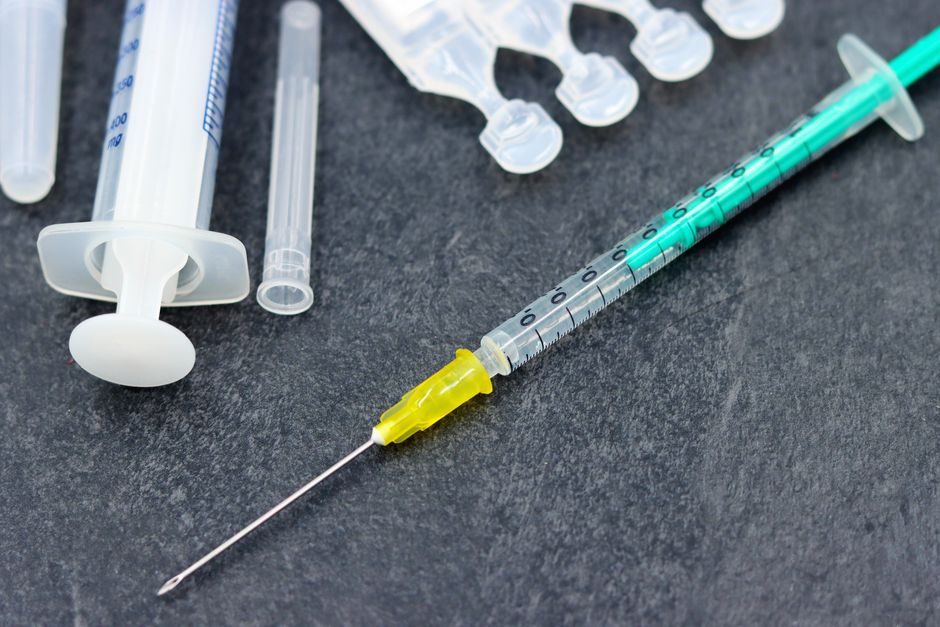
Quoted prices on live 2026 marketplaces range from US$75 for a 1-piece MOQ Seko-style chlorine/swimming-pool metering dosing pump to US$2,450 for a laboratory peristaltic constant-flow chemical-dosing unit, both published on Made-in-China.com [S7]. Supply capability on the OKorder chemical-feed category is posted at 1,000,000 unit/month for hydraulic and mechanical-diaphragm dosing pumps, illustrating why list price is only one line on the engineering bill of materials [S2].
Selection is not about chasing the lowest sticker; it is about matching mechanism, wetted material and accuracy class to the chemistry, pressure and duty cycle, because the gap between a US$75 chlorine pump and a US$2,450 lab peristaltic unit is set by precision, pressure rating, materials and certification rather than by brand markup [S1][S7].
Dosing Pump Family Tree: Mechanism, Flow and Pressure Envelope
Diaphragm, plunger, gear, peristaltic and centrifugal-feed metering pumps each occupy a distinct flow-pressure-viscosity window, and choosing wrong is the single largest hidden cost driver on a dosing skid [S6]. ViscoTec's dosing-pump range covers a few microlitres up to around 1 litre per second of single- and 2-component fluids, an envelope that few other mechanism classes can match in one product line [S5].
For a coarse 2026 spec baseline the commonly quoted envelopes are: micro annular gear pumps such as the HNP Mikrosysteme mzr-2905 at 0.003-18 ml/min up to 30 bar with 150 °C fluid temperature and 44 W DC-servo drive, weighing 790 g in a 140 × 45 × 65 mm stainless/hard-metal housing [S1]. Mechanical-diaphragm hydraulic dosing metering pumps on OKorder cover the high-pressure chemical-feed slot with 1,000,000 unit/month production slots and a 1-unit MOQ, which is the supply shape behind most US$75-US$300 municipal-water and chlorine skids [S2].
What Actually Moves the Price Tag
List price on Made-in-China and OKorder is anchored to four levers — mechanism, pressure, wetted material and accuracy — and each lever multiplies the next rather than adding linearly [S2][S7]. HNP Mikrosysteme's published mzr-2905 data sheet gives the precision target as CV < 1% at low volumes, achieved through wear-resistant tungsten carbide gears and a DC-servomotor with integrated microcontroller; that specification is what pushes a micro-dosing gear pump out of the commodity US$75-150 band and into the four-figure OEM tier [S1].
Material selection is the second biggest swing factor. PTFE-diaphragm chemical dosing pumps (one of OKorder's listed variants) command a premium over PP/PE-lined heads because the diaphragm is the part that fails first in chlor-alkali, hypochlorite and strong-acid service [S2]. Stainless steel, hard-metal tungsten-carbide and PTFE are the three materials most often specified when the chemistry is aggressive or the viscosity is high; each step up the material ladder adds measurable cost but also extends mean-time-between-overhaul, which dominates the life-cycle number.
Cost-Band Comparison Across the 2026 Market
Three live 2026 data points bracket the market. Entry-level swimming-pool chlorine dosing pumps from Chinese OEM/wholesale channels list at US$75 with a 1-piece MOQ [S7]. Mid-range mechanical-diaphragm and PTFE-diaphragm chemical dosing pumps on OKorder are published in the mid-three-figure range with 1,000,000 unit/month capacity and a 1-unit MOQ [S2]. Laboratory peristaltic constant-flow intelligent quantitative-filling dosing pumps are listed at US$2,450 per piece with a 1-piece MOQ, reflecting precision-flow electronics, multi-channel heads and traceable calibration [S7].
These three numbers map cleanly to typical applications: US$75 buys pool/spa chlorine feed; the mid-three-figure band covers municipal waterworks, cooling-tower chemical feed and general industrial metering where the chemistry is not exotic; the US$2,450 lab peristaltic tier targets pharmaceutical, R&D and pilot-plant flows where accuracy and documentation outweigh purchase price [S2][S7]. For a parallel reference on cross-class pump cost drivers, see the twin, single and three-screw pump selection gate analysis.
Total Cost of Ownership: Pump Head, Energy, Spares and Calibration
Purchase price is typically 25-40% of a dosing pump's 5-year cost of ownership in industrial service; the rest is energy, diaphragm-replacement intervals, calibration drift and process off-spec events. The mzr-2905's 44 W DC-servo drive at 24 V is unusually efficient for its pressure class and is the published benchmark for low-energy micro-dosing gear pumps [S1].
Diaphragm life is the dominant wear cost on mechanical-diaphragm dosing pumps; specifying PTFE over PP roughly doubles diaphragm life in chlor-alkali service but adds to the head cost, so the total-cost-of-owner crossover is typically reached inside 18 months of continuous duty [S2]. Peristaltics replace only the tubing, which is the cheapest field service event of any mechanism class but the highest per-litre pumped cost, making them suited to low-flow high-purity duties rather than municipal-scale chlorine feed. The submersible pump selection guide walks through the same five-gate, TCO-first logic on a different pump family and is a useful cross-check on methodology.
Standards, Certification and Vendor Qualification

Dosing pumps specified for potable water, chlor-alkali or pharmaceutical service are usually delivered against ISO 9001:2015 quality systems at the manufacturer and against application-specific material and hygiene standards at the skid level, with most reputable Indian and Chinese dosing-pump plants publishing ISO 9001:2015 on their company home page [S4]. HNP Mikrosysteme is published as a "verified company" on DirectIndustry, which is the platform's third-party-validated manufacturer flag, not a product certification [S1].
For high-pressure hydraulic chemical dosing — the OKorder-published category — the wetted-end specification typically references API 676 compatibility for positive-displacement pumps, with PTFE or stainless diaphragms for aggressive media, and ATEX/IECEx for hazardous-area Zone 1 builds when the dosing head is mounted near flammable vapours [S2]. Engineers should request the actual material certificates and the diaphragm-replacement interval in writing; published factory capability of 500,000+ cumulative metering-pump units since 2013 is a useful supply-chain signal but is not a quality-system substitute [S3]. For a deeper dive into gear-pump cost behaviour, the gear pump reference page covers positive-displacement head mechanics that drive the precision-CV < 1% claim on the mzr-2905 [S1].
Who Dosing Pumps Are For — and Who Should Not Buy One
Dosing pumps are specified for low-to-medium flow, high-accuracy chemical injection where a centrifugal pump cannot hold a setpoint — water treatment, chlorination, pH correction, polymer feed, additive dosing in oil and gas, ink and paint micro-dispensing, pharmaceutical pilot plants and laboratory reagent delivery [S1][S5][S6]. They are not the right tool for bulk transfer, high-flow recirculation, or any service where pulsation and shear damage the fluid; a centrifugal pump or a diaphragm pump chosen for bulk flow is the correct substitute. Verder Liquids' Microdos and ITC lines target precisely this injection-into-flow niche — into water, gas or steam — and the published positioning is to inject a precise volume into a host flow rather than move that host flow [S6].
Buyers who do not need ±1% accuracy, who are moving slurries with high solids content, or who face ambient temperatures outside the −5 °C to +150 °C fluid-temperature window of mainstream dosing heads should look at progressing-cavity or peristaltic pumps instead, because a dosing pump's value proposition is precision, not bulk-handling robustness [S1][S5].
Selection Checklist and a 2026 Sourcing Plan

Engineers specifying a dosing pump in mid-2026 should run this short list before requesting a quote: (1) required flow in l/h and minimum controllable flow at the duty point; (2) discharge pressure including static head and pipe-line losses; (3) full chemistry, viscosity, temperature and solids loading; (4) required accuracy class (CV% or % of setpoint); (5) hazardous-area classification and material certificates; (6) preferred mechanism class — diaphragm, plunger, gear, peristaltic; (7) duty cycle, mounting and available services [S1][S6]. The HNP mzr-2905 spec sheet is a useful template because it publishes every one of those parameters in one table rather than burying them in marketing copy [S1].
For a parallel look at how spec-driven cost breakdowns work on adjacent industrial equipment, the function generator price and cost guide applies the same drivers-and-TCO structure. Trackable 2026 signals to watch: Chinese OEM/wholesale platforms refreshing MOQ and unit prices on the Seko-style chlorine and laboratory peristaltic lines [S7], and OKorder supply-capability figures on the high-pressure hydraulic dosing family, currently sitting at 1,000,000 unit/month [S2]. A second look at ViscoTec's microlitre-to-1-litre-per-second dosing envelope will confirm where your flow sits on the mechanism-selection axis before you commit to a vendor [S5].