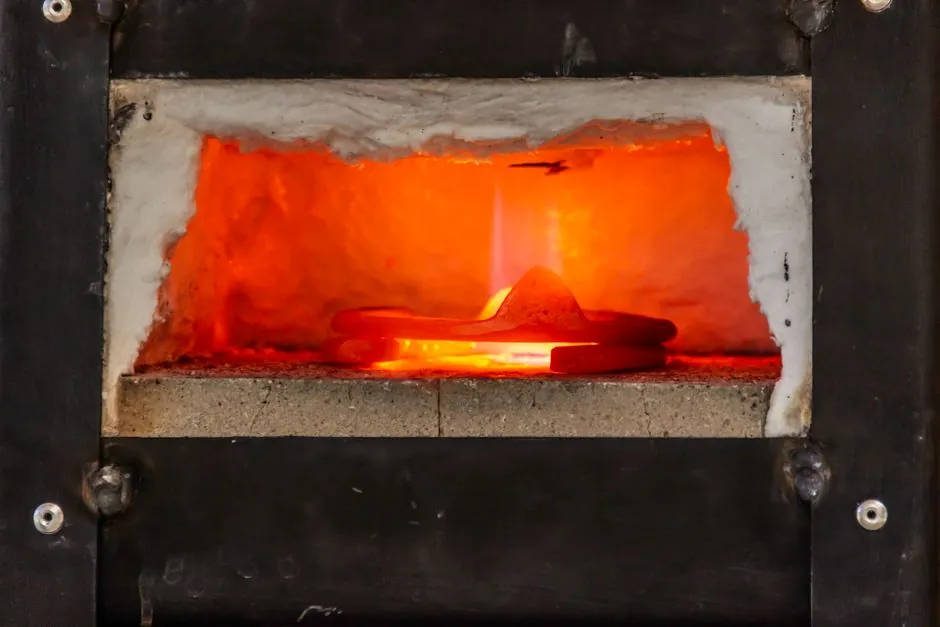
An electric arc furnace uses electricity carried through graphite electrodes to melt scrap, and it takes less time to manufacture products [S2].
The comparison applies to steel-scrap melting: an electric arc furnace uses electricity and scrap, while a fuel-fired melting furnace uses combustible energy and does not require the same continuous coke supply [S1][S2].
Decision Basis: Feedstock, Energy and Control
An EAF is designed around recycled or scrap metal, whereas a blast furnace can process raw iron ore as well as recycled metal [S1]. The blast-furnace route burns coke to produce carbon-saturated pig iron, then uses oxygen in a basic oxygen furnace to remove carbon and impurities; the EAF route melts scrap directly with electricity [S2][S4].
Electric arcs generated by charged electrodes provide rapid heating, faster production and easier temperature control than a coke-fired blast furnace [S1][S3]. For a mill with dependable low-carbon electricity and a verified scrap stream, this route offers the stronger operating fit.
Compared with blast-furnace steelmaking, electric arc furnace steelmaking uses scrap as its main material source, uses electricity as its main energy source, has lower initial costs, takes up less space, and takes less time to manufacture products [S2].
Electric Arc Route: Scrap Melting and Refining
An EAF uses a large steel shell lined with refractory material, lowers graphite electrodes into the furnace and creates an arc between the electrodes and the metal [S5]. The intense arc heat melts scrap, after which lime or fluorspar can be added to remove impurities before the steel is tapped [S5].
The electric route is suitable for steel scrap, including scrap from demolished buildings, vehicles, appliances and production offcuts [S4]. It avoids the BF-BOF chemical reduction sequence that generates carbon dioxide during both ironmaking and oxygen refining [S4]. That advantage depends on the electricity mix: renewable or carbon-free electricity combined with high scrap use lowers the process footprint substantially [S4].
Its constraints are equally specific. Graphite electrode cost is a recurring operating exposure, grid outages reduce production capability, and arc melting generates dust and debris [S3]. Power price and electrode consumption must therefore be evaluated per tonne of usable steel, not merely against the furnace's fuel label.
Fuel-Fired Route: Coke Supply and Plant Scale
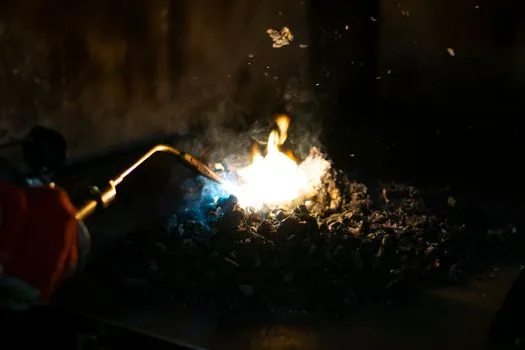
A blast furnace charges iron ore, coke and limestone, burns coke with an air blast and produces high-carbon pig iron that must proceed to oxygen conversion before becoming steel [S2][S4]. Coke supplies most of the heat and chemically reduces iron oxide, while the coke combustion process releases carbon dioxide [S2][S4].
This route is appropriate for an integrated mill with secure iron ore and coke logistics, large sustained output and the capital to support blast-furnace and basic oxygen furnace infrastructure. Its stated strengths include easier production of clean steel, high efficiency, low electrical requirements and a comparatively low production cost [S3]. Those benefits depend on a materially different feedstock and plant configuration from an EAF.
The disadvantages are substantial: the furnace occupies a large area, requires high facility investment, emits substantial carbon dioxide and depends on a continuing coke supply that is becoming more expensive and less available [S2][S3]. The extractive route also requires mining iron ore, limestone and coal [S4].
Operating Fit by Melt Duty
For continuous production from a consistent, sorted scrap supply, an EAF offers the most direct route to liquid steel, rapid temperature adjustment and flexible scrap-based production [S1][S3]. It is a stronger choice for mini-mill and circular operations that can secure power and electrodes [S4].
A fuel-fired route is more defensible where the objective is integrated primary steelmaking from ore rather than melting purchased scrap, and where coke, oxygen-conversion equipment and blast-furnace infrastructure are already established [S2][S4]. It is not the natural choice for a small scrap-melting operation that lacks ore supply, coke logistics and the space required by an integrated route [S2].
For casting iron rather than making steel, a cupola furnace is a distinct fuel-fired option. Typical examples are 30–80 ft tall with diameters of 5–13 ft, and the charge combines iron ore, coke and limestone [S5]. That configuration should not be confused with either a steelmaking blast furnace or an EAF.
Environmental and Cost Boundaries
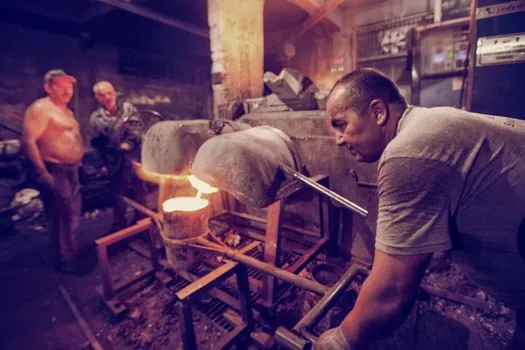
Electric melting requires approximately 60 to 90 percent less energy than the ore-reduction process [S6]. These figures have different boundaries, so they should not be combined into one guaranteed project saving.
The blast-furnace route generates carbon dioxide as a byproduct in both the blast furnace and the basic oxygen furnace, while electricity-based EAF production avoids coal combustion at the furnace [S4]. The steel industry contributes approximately 7–9% of global CO2 emissions according to Worldsteel, as cited by Nucor [S4].
EAF capital cost and floor-space requirements are described as lower than for a blast furnace [S1][S2], but the operating case still includes electricity, graphite electrodes, refractory maintenance, dust collection and slag handling [S3][S5]. A fuel-fired case includes coke, combustion air, gas cleaning, larger equipment and the cost of maintaining a longer process chain [S2][S3].
Specification Checklist Before Purchase
Specify the furnace against an annual melt duty, measured tonnes of scrap charged and tonnes of saleable liquid steel, rather than furnace-nameplate capacity alone. The research identifies fast heating, rapid production, precise temperature control and 100% recycled-scrap capability as EAF attributes [S1][S3].
For electric supply, request connection data, demand charges, outage assumptions and voltage requirements, then include the carbon intensity of the supplied electricity in the emissions comparison [S4]. For the fuel-fired alternative, document coke availability, fuel price, combustion-system performance, gas cleaning and the required ironmaking and oxygen-conversion equipment [S2][S3].
Also fix the scrap specification, including allowable residuals, tramp elements, moisture and variability. EAF refining can use lime or fluorspar to remove impurities [S5], but refining additions do not remove the need to control incoming charge composition. The final choice should pass three gates: adequate energy and consumable availability, documented scrap quality, and a tonnage basis on which both routes meet the required output and quality targets.
The next verification step is to request vendor quotations on the same annual tonnage, scrap assumptions and product-quality schedule, then compare installed cost, energy cost, electrode or coke consumption, refractory life and carbon dioxide per tonne of saleable steel.