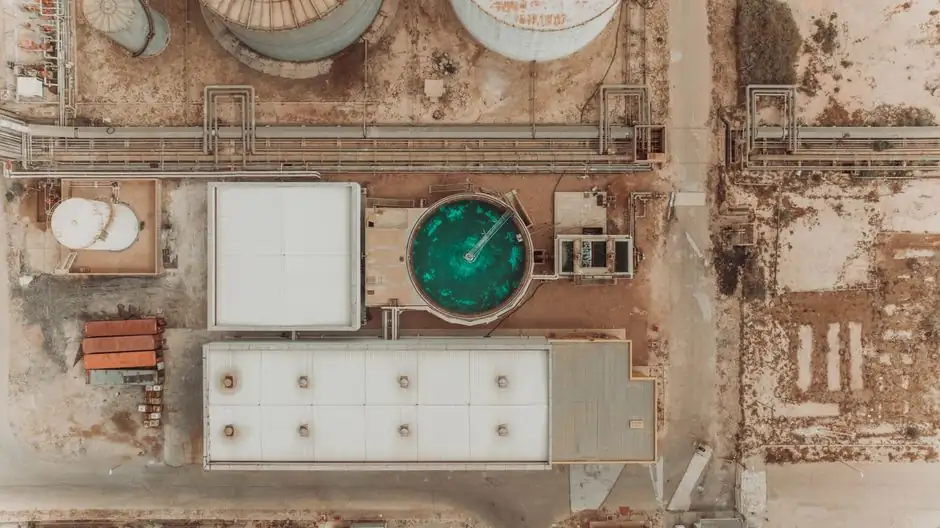
Ferric chloride (FeCl₃, CAS 7705-08-0) and aluminium sulfate (alum, CAS 10043-01-3) are the two workhorse coagulants on a water utility procurement desk, with polyaluminium chloride (PAC) as a third option where alkalinity is scarce [S2][S3][S5].
In the U.S. the U.S. EPA's 2022 supply-chain profile assessed ferric chloride as a Moderate-to-Low disruption risk despite high criticality, because roughly 80% of domestic consumption is tied to water-sector coagulation and dewatering and the input chain depends on chlor-alkali and steel pickling [S1]. For 2026 procurement, indicative FOB Thailand pricing per Dusit Chemicals (2026-04-11) is PAC 30% Al₂O₃ powder at $380–480/MT, alum granular at $180–250/MT, and liquid 40% ferric chloride at $320–420/MT [S3].
What the chemicals actually are, and what they cost on dose
Ferric chloride is an iron(III) salt typically supplied as a 40% aqueous solution, molecular weight 162.20, with a 280°C boiling point and a 37°C melting point for the solid [S2]. Alum (aluminium sulfate, Al₂(SO₄)₃·18H₂O) is supplied as granules, lumps, or liquid at roughly 17% Al₂O₃, while PAC is a pre-hydrolysed aluminium chloride powder at 28–32% Al₂O₃ [S3][S5]. Both ferric chloride and alum depress pH on dosing because they hydrolyse to metal-hydroxide flocs and release acidity [S5].
Per-tonne sticker price is misleading because active content and effective dose differ sharply. Indicative typical dose ranges for medium-turbidity surface water are 5–50 mg/L for liquid 40% ferric chloride, 10–80 mg/L for granular alum, and 5–40 mg/L for 30% Al₂O₃ PAC powder; for raw water above 500 NTU all three commonly need 0.2–0.5 mg/L of anionic polyacrylamide (PAM) as a flocculant aid [S3]. Dusit's 2026 FOB prices imply that, at typical doses, PAC is most expensive per cubic metre, alum is cheapest, and ferric chloride sits in the middle once active Fe content (~20%) is factored in [S3].
Coagulation performance, pH window, and residuals
Ferric chloride has the widest effective pH window of the three, roughly 4.0–9.0 (some sources cite ~4–11), versus 6.0–7.5 for alum and 5.0–9.0 for PAC [S3][S5]. It produces a dense, heavy floc with high settling velocity, which is the reason it is preferred in cold water below 10°C where hydrolysis kinetics slow and lighter flocs carry over weirs [S2][S3].
For phosphorus removal and high-colour or high-NOM source water, ferric chloride is rated Excellent; PAC is Good on colour and Moderate on phosphorus, while alum is Moderate on both [S5]. Alum carries a higher residual aluminium concern in finished water; ferric chloride leaves low iron residual provided finished-water pH is held above about 6.5 so ferric hydroxide stays insoluble [S3]. Both chemicals depress pH, but ferric chloride consumes roughly 0.9 mg/L of alkalinity (as CaCO₃) per mg/L of FeCl₃ dosed, so soft low-alkalinity waters typically need parallel lime or caustic dosing [S5].
Sludge volume, dewatering, and H₂S control
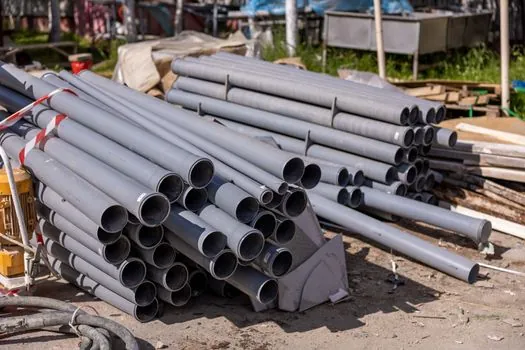
Alum generates the most sludge on a mass basis, PAC the least, and ferric chloride a moderate but denser sludge that dewaters well on centrifuges and belt presses [S3][S5]. For sludge disposal pricing above $50/wet ton, PAC's 15–30% sludge-mass reduction versus alum can flip the per-cubic-metre cost calculation even though its per-tonne price is higher [S5].
Ferric chloride has a second job beyond coagulation: it precipitates soluble phosphates as FePO₄ and binds sulfides in anaerobic digesters and collection systems, suppressing release of corrosive and toxic H₂S gas [S2]. That dual role, plus a six-to-twelve-month shelf life for the liquid 40% grade under proper storage, is why EPA's 2022 profile classifies ferric chloride as a direct-use water-sector chemical of high criticality [S1].
Handling, corrosion, and materials of construction
Alum is the least aggressive of the three to handle, while ferric chloride is corrosive to mild steel and most common metals; storage tanks, dosing lines, and valves must be HDPE, FRP, rubber-lined steel, or equivalent corrosion-resistant alloys [S5][S8]. Echemi (2024-04-29) notes that excessive ferric chloride dosing drops pH and accelerates pipe and equipment corrosion, while alum overdose tends to push pH down without the same aggressive metal attack [S8].
Liquid 40% FeCl₃ is dark brown, fuming, water-miscible, and alcohol-compatible, supplied in bulk tanker, IBC, or drum; solid FeCl₃ (anhydrous) is hygroscopic and is shipped in sealed bags for smaller municipal users [S2][S7]. On a procurement audit, the two spec questions that catch most bad shipments are Fe assay (target 20–21% Fe for the 40% liquid) and free acidity, both of which should appear on the certificate of analysis with batch traceability [S7]. For a related discussion of how material-handling decisions bleed into pump and motor packages, see alloy steel vs tool steel for dies and molds: decision matrix.
Supply chain and sourcing reality check
U.S. domestic ferric chloride is largely a byproduct of steel pickling: spent pickling liquor reacts with hydrochloric acid and is then chlorinated, so the FeCl₃ supply curve tracks chlor-alkali operating rates and steel demand [S1]. EPA's December 2022 profile recorded 19 domestic manufacturing sites in 2015, with Canada as the primary import partner and Thailand as the primary export destination, and rated vulnerability as Low thanks to distributed manufacturing [S1].
For utilities in MENA and the Mediterranean, regional ferric chloride production (e.g. CHIMI ART in Egypt) keeps delivered cost competitive with imported PAC, while alum is typically imported as dry or liquid and varies with sulphur and bauxite indices [S5]. PAC powder prices in Southeast Asia moved into the $380–480/MT band in 2026, reflecting tightness in the aluminium chloride and bauxite derivative chain [S3]. Buyers who dual-source between a regional FeCl₃ plant and a long-haul alum or PAC supplier usually hold a tighter delivered-cost spread than single-source buyers do [S5].
Selection rules, criteria, and the comparison table
Decision rules derived from the comparative data: pick ferric chloride when the duty includes phosphorus removal to a low mg/L limit, when raw water is cold (winter operation below 10°C), when source water is high in colour or natural organic matter, when H₂S control in sewers or digesters is needed, or when clarifier/DAF hydraulics benefit from a heavy floc [S2][S3][S5]. Pick PAC when alkalinity is scarce, when sludge disposal cost dominates the budget, or when pH depression cannot be tolerated without large caustic trim [S5]. Pick alum when raw water is easy (low turbidity, warm, well-buffered), alkalinity is plentiful, and procurement is strictly cost-driven on per-cubic-metre [S3][S5].
Criteria-based comparison distilled from the three reference tables [S3][S5]:
| Decision factor | Ferric chloride (40%) | PAC (30% Al₂O₃) | Alum (granular) |<br/> | Effective pH window | 4.0–9.0 (wide) | 5.0–9.0 (forgiving) | 6.0–7.5 (narrow) |<br/> | Phosphorus removal | Excellent (FePO₄) | Moderate | Moderate |<br/> | Cold-water (< 10°C) | Good | Good | Poor (slow hydrolysis) |<br/> | High-colour / high-NOM | Excellent | Good | Fair |<br/> | Alkalinity consumption | High (~0.9 mg/L CaCO₃ per mg/L dose) | Low | High |<br/> | Sludge volume | Moderate, dense | Low (15–30% less than alum) | Higher, lighter |<br/> | Corrosivity to equipment | High (needs HDPE/FRP/lined steel) | Lower | Lowest |<br/> | 2026 FOB price band | $320–420/MT | $380–480/MT | $180–250/MT |<br/> | Residual concern | Iron (taste/stain if pH slips) | Aluminium | Aluminium |
For a broader procurement framing of spec-driven material choice in capital equipment, see alloy steel vs carbon steel for high-stress components: spec decision guide, and for the way utility-side automation ties into dosing skids, see edge gateway selection for protocol conversion: criteria and pitfalls.
Limitations, failure modes, and what the jar test catches
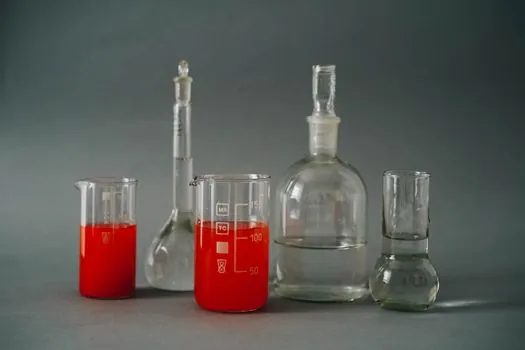
The single most common failure mode is a coagulant switch without a parallel jar test: alum users moving to ferric chloride in winter often miss that FeCl₃ needs more alkalinity headroom, so finished pH crashes and residual iron carries over [S3][S5][S8]. Conversely, ferric chloride users adding PAC to cut sludge on a high-alkalinity source can over-spend per cubic metre if the dose is set by analogy instead of jar data [S3][S5].
Other failure modes worth flagging: storage of liquid 40% FeCl₃ above its 37°C melting point is fine, but at sub-freezing ambient temperatures the solution will crystallise and damage pumps, so northern utilities need heated or insulated bulk tanks [S2]; and overdosing any of the three depresses pH enough to attack concrete clearwells and old cast-iron piping, a risk profile that is worst for ferric chloride and best for alum [S5][S8]. Always run a four- or six-beaker jar test at the worst seasonal raw-water condition (flood turbidity, winter cold, algae season) before locking a tender, and re-run it whenever source-water total organic carbon shifts by more than about 1 mg/L [S3][S5].
Trackable near-term signals: (1) chlor-alkali operating-rate announcements and steel-pickling liquor availability, which set U.S. and European FeCl₃ supply; (2) sulphur and bauxite spot indices, which set alum price; (3) any 2026–2027 tender awards from large municipal utilities that switch from alum to FeCl₃ for phosphorus compliance, since that is where the supply chain shows up first [S1][S3][S5].
The underlying component specifications are covered under ballast water treatment, online water analyzer, and power supply.