
Food-grade stainless steel IBCs, citric-acid passivated with 2B internal finish and tri-clamp sanitary connections, are the default spec for breweries, dairies, and juice processors moving 250–793 gal (946–3,001 L) of regulated liquids [S5].
HDPE composite IBCs remain the cost-driven choice for non-sensitive bulk liquids and ingredients in the 110–550 gal band, while carbon steel and poly composite units cover lower-purity storage [S2][S6]. Selecting between them comes down to product chemistry, cleanability, regulatory exposure, and tank handling economics [S1][S4].
Material Selection: HDPE Composite vs Stainless Steel vs Carbon Steel
Stainless steel IBCs are described across the supplier base as the corrosion-resistant, hygienic option, ideal for dairy, honey, beverages, and cooking oils, with polished internal welds and high-gloss finishes supporting stringent sanitary requirements [S2][S3]. HDPE IBCs are described as the durable, lightweight, cost-effective option, with virgin resin delivering the highest purity for stored content; HDPE is resistant to a wide range of acids, bases, and other liquids [S3]. Carbon steel and poly-composite containers round out the offering for less demanding service [S2].
Material certification is the first spec check: processors should look for FDA or EFSA documentation, food-grade labeling on the sidewall, and a clean history of prior cargo, because totes previously used for non-food chemicals or pharma are typically ruled out for food contact [S3]. Reconditioned units extend usable life but require documented cleaning validation, and most food plants will not accept a previously non-food-grade tote even after relining [S1][S7].
Capacity Range and Standard Size Ladder
The industry commonly quotes 110 to 550 gal as the standard band, with food and beverage dedicated fleets extending up to 793 gal for wine, fermentation, and beverage service [S2][S6]. The most frequently specified food and beverage sizes are 275 gal HDPE composite and 350 gal stainless steel for milks, creams, alcohols, and juices, while Hoover CS's dedicated fleet lists 126, 250, 350, 550, and 793 gal variants for wine, fermentation, and beverage applications [S2][S5].
For reference, one 350 gal stainless IBC has more capacity than six 55 gal drums, which directly cuts labor, storage footprint, and freight per gallon moved, a key reason the format displaced drum fleets in mid-scale liquid plants [S2]. For batching and blending operations that need controlled dispensing, the same 350 gal class is a common workhorse size, and dedicated wine and fermentation IBCs run as small as 126 gal for small-lot producers [S1][S5].
Sanitary Fittings, Welds, and Surface Finish
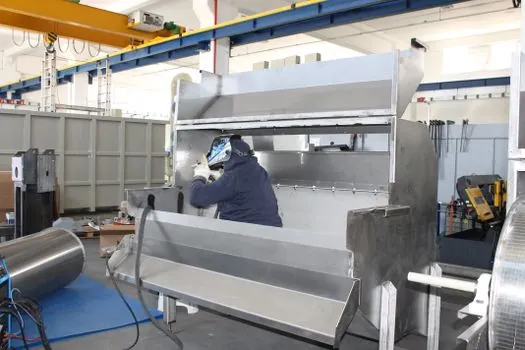
A food-grade stainless steel IBC is typically specified with 10-gauge 304 stainless steel, 2B finish, 22 in top manway, 2 in sanitary discharge with 90-degree elbow and tri-clamp connection, 2 in top bung with EPDM gasket, and FDA-approved sanitary ferrule connections, the spec sheet used by Hoover CS for its dedicated fleet [S5]. Interior welds are black-wheel smoothed and the tank is citric-acid passivated, with strip-cleaned interior and exterior welds to limit crevice corrosion and biofilm traps [S5].
Thread-free interior designs and sloped bottoms with side-drain configurations are recurring features in the wine and beverage segment, because they eliminate product hold-up and reduce rinse water during CIP cycles [S5]. For viscous products such as syrups, tomato paste, concentrates, and honey, suppliers offer total-drain geometries and higher-output valve assemblies, so the tote can be fully emptied without manual scraping [S2]. General-purpose IBC tanks used in chemical or construction service do not normally carry these sanitary features, which is why a tank's prior service is part of the food-grade qualification [S3].
Regulatory and Documentation Map: FDA, USDA, EFSA, UN/DOT
For U.S. food and beverage service, the relevant regulatory frame is FDA food-contact compliance for the container materials and USDA acceptance for meat, poultry, and dairy-processing environments, both cited by stainless steel IBC suppliers as the baseline for their food-grade line [S2]. In Europe, EFSA food-contact approval is the equivalent gate, and the FDA/EFSA marks are the two labels buyers check first on the sidewall [S3]. For any tote that ships on public roads with regulated liquids, UN/DOT certification is layered on top of the food-contact spec, and suppliers offer both certified and non-certified variants in the same fleet [S5].
IBCs intended for hazardous or regulated liquid transport carry UN 31 A/Y and DOT markings, which co-exist with the food-contact spec when the same fleet moves beverage alcohol; non-UN-certified variants are used for in-plant and closed-loop wine and fermentation service where the tote never leaves the site [S5]. Compared with the basic tank container category, food-grade IBCs add the sanitary ferrule, polished weld, and passivation spec, while still inheriting the stackable, forklift-friendly cube of the standard IBC form factor [S1][S5].
Application Fit: Wine, Fermentation, Beverage, and Bulk Ingredients
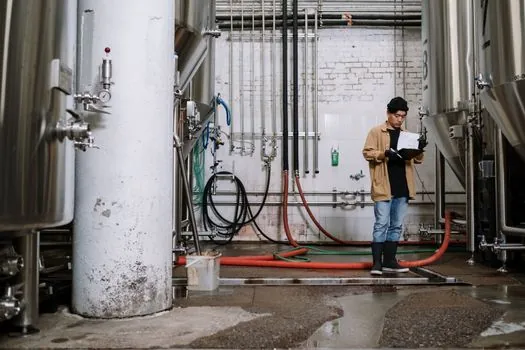
Stainless steel food and beverage IBCs are commonly used for wine (126–793 gal / 477–3,001 L), fermentation (250–793 gal / 946–3,001 L) with dimple jacket for heating and cooling, integrated thermowell, and front manway, and regulated beverage transport (126–793 gal) with UN 31 A/Y and DOT certification, 2 in ball valve, and tri-clamp adapter [S5]. The same platform covers dairy storage, juice, beer, and finished goods, plus temperature-sensitive ingredients like chemical additives and preservatives used in food processing [S5].
For ingredients, sauces, syrups, tomato paste, juices, concentrates, and sweeteners, suppliers point to a single IBC platform handling liquids, semi-liquids, powders, and particulates, often with a liner for high-purity ingredients as an extra barrier [S1][S10]. In dairy, fluid milk, cream, and cultured products are typically run in stainless steel with sanitary valves, while flavor concentrates and cleaning solutions are run in HDPE composite to control cost where ultra-high cleanability is not required [S1][S3][S10]. A targeted IBC tote mixer or mixing station can be clamped onto a tote in-place to turn the same vessel into a batching skid without transferring product to a dedicated tank [S4].
Total Cost of Ownership: Reuse, Reconditioning, and Rental
Reusable IBCs lower long-term packaging cost and reduce waste, with reconditioning services extending the usable life of compatible totes, an attractive math for any plant running continuous batches of the same product [S1]. Stainless steel food-grade totes are treated as long-term reusable assets, and the rental model is widely used to avoid capitalized cost when production volumes fluctuate or when a plant is running a short-term campaign [S2][S5].
Rental fleets typically bundle circular services: tank cleaning and maintenance, testing and recertification, and pickup, which keeps the food-grade spec intact across multiple users and removes the burden of in-house CIP validation for short campaigns [S5]. For high-throughput plants, owning a stainless fleet amortizes fastest; for seasonal processors, rental plus CIP service usually wins on working capital, which is why most food and beverage suppliers run both sales and rental programs from the same inventory pool [S2][S5].
Selection Checklist Before Specifying a Tote

A practical pre-purchase checklist, drawn from the supplier guidance: confirm FDA or EFSA food-contact certification and match it to the specific product (acidic juice vs high-fat dairy vs alcohol); verify UN/DOT status if the tote will move on public roads; confirm material (304 stainless vs HDPE composite) against product chemistry and cleaning chemistry; and confirm sanitary connection type (tri-clamp ferrule, EPDM gasket, 2 in ball valve) against the plant's existing CIP and filling skid [S3][S5].
Beyond the paperwork, walk the tank: confirm sloped bottom, side-drain full-length valve guard, 22 in manway for clean-in-place access, citric-acid passivated welds, and absence of internal threads, then check leg height (6 1/2 in vs 8 1/2 in options) against the plant's forklift and drain-pan geometry [S5]. If the product is viscous, specify total-drain geometry and confirm valve size and elbow orientation match the receiving pump or filling line, otherwise the tote will hold product and force manual recovery [S2][S5]. Trackable signals for the next quarter: FDA and EFSA food-contact documentation revisions, and any updates to UN 31 A/Y packaging marks for beverage alcohol totes running dual food and regulated-liquid service [S3][S5].
This topic is covered further in Cold Storage Metal Panel Selection: Thickness, Core, and Joint Spec Map.