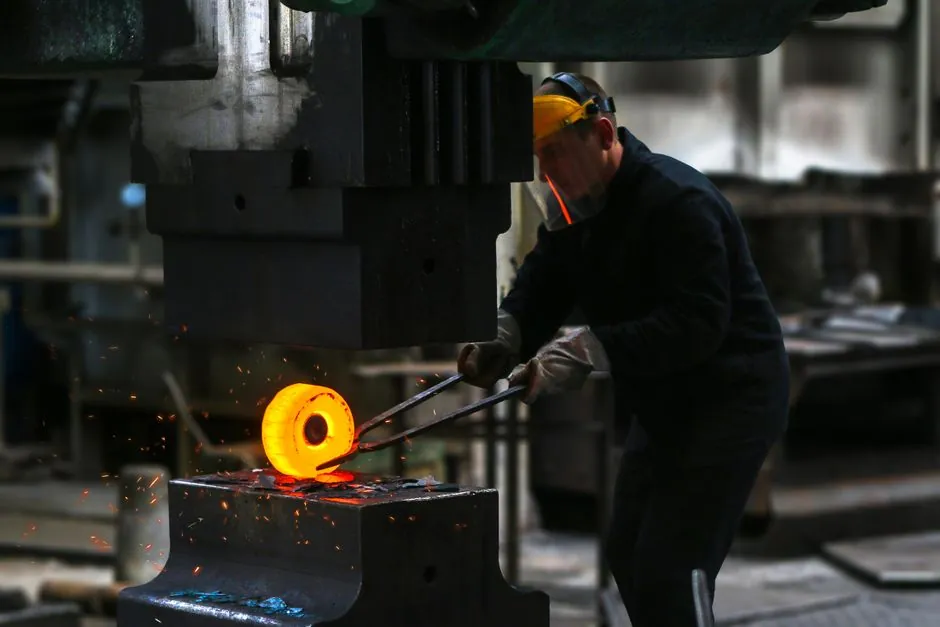
Forged steel wheels provide the stronger, tougher and more fatigue-resistant option for heavy or continuous-duty gantry cranes, while cast steel wheels offer lower initial cost for lighter service.
The decision depends on wheel load, impact exposure, running frequency, heat treatment, inspection requirements and replacement interval, not simply on the manufacturing label.
Forged or cast steel: the core selection criterion
Forging compresses solid steel and produces a denser, more continuous grain structure than casting, which solidifies molten steel in a mold and can retain porosity, shrinkage or oxide inclusions [S2][S3][S8]. Forged wheels therefore offer the better margin for heavy wheel loads, frequent operation, impact loading, uneven rail conditions and high-duty crane systems [S3].
Cast wheels can be economical for standard geometries, lighter duties and intermittent use [S2][S4]. Their suitability depends on casting quality, chemical composition, heat treatment and inspection, so a cast wheel should not be accepted merely because it meets its nominal dimensions [S3].
A gantry crane running at high travel frequency, carrying substantial crane and payload mass, or operating over imperfect rail typically favors forged wheels. A low-utilization crane with controlled load, alignment and impact conditions may justify cast wheels after an engineering review.
Decision matrix for the main wheel options
Forged and cast steel differ most clearly in toughness, heat-treatment response, manufacturing economy and inspection burden. The practical comparison is: [S1]
For a heavy single girder crane, choose forged wheels if impact, fatigue life and replacement frequency are the principal risks. For a lower-duty traveling mechanism with controlled rail geometry and modest utilization, a qualified cast wheel may be the more economical procurement decision.
Material grades and metallurgical treatment
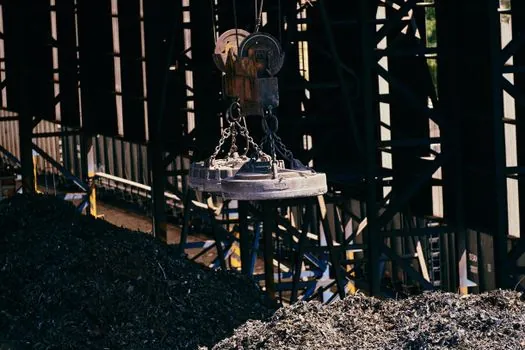
Forged crane wheels are commonly made from 42CrMo or 45 steel, with other alloy steels selected to match customer requirements; 42CrMo is identified as a common choice for heavy-duty wheels because it combines strength, toughness and heat-treatment response [S3]. One manufacturing comparison identifies 65Mn as a common forging material [S5]. These grades are not interchangeable without checking the approved drawing and mechanical requirements.
Heat treatment is a design function, not a finishing option. Quenching and tempering, surface hardening and tread hardening can increase running-surface hardness and wear resistance, but the core must retain enough toughness to resist cracking [S3][S4]. The selected process and inspection evidence should therefore be tied to the specified grade rather than stated generically as “heat treated.”
Forging can produce a dense, homogeneous internal structure without defects such as casting segregation, porosity, or oxide inclusions [S5]. These figures describe the compared manufacturing outcomes, not an acceptance tolerance for every crane wheel.
Geometry, machining and rail compatibility
Wheel metallurgy cannot compensate for incorrect geometry. Diameter, tread profile, flange height and thickness, inside flange spacing, bore, hub and bearing seats must match the approved wheel and rail drawings [S1]. Precision machining of diameter, roundness and tread finish reduces vibration, uneven wear, bearing loading and rail damage [S4].
The selection must be checked against lateral forces, rail clearance, wheel alignment and the complete crane arrangement rather than against flange count alone [S1].
Wheel life also depends on rail condition, flange design, machining accuracy, sealing and operating conditions [S1]. Replacement criteria should include tread wear, flange condition, diameter loss, cracking, excessive noise and vibration, and uneven wheel or rail wear. A crawler crane is outside this rail-wheel comparison because its running gear and mobility requirements are fundamentally different.
Service life, inspection and failure modes
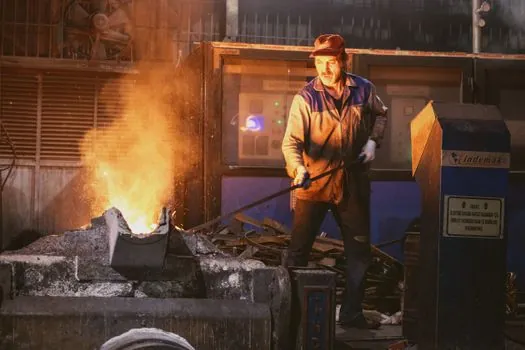
For heavy continuous-duty service, this inspection and outage difference can outweigh the cast wheel’s lower purchase price.
Forged-wheel failure risks shift from gross brittle fracture toward material fatigue, surface cracking, tread wear and heat-treatment distortion. Cast-wheel risks include porosity, shrinkage cavities, oxide inclusions, uneven cooling and the resulting reduction in impact resistance [S3][S5]. Poor wheel quality can cause uneven wear, vibration, rail damage, and costly downtime [S1].
Require the supplier to state the manufacturing route, material grade, heat-treatment process, tread hardness method, final dimensions and inspection results. CNC-machined wheel and rail fit, correct balance and tight tolerances reduce vibration, noise and uneven wear on both bearings and rails [S1][S4].
Procurement and acceptance decisions
Specify forged steel wheels for heavy payloads, continuous operation, harsh environments, high-frequency travel, exposure to shock and situations where wheel removal is expensive. Forged wheels are also the defensible choice for medium and heavy cranes operating under severe service conditions [S1][S5].
Specify a qualified cast steel wheel when the crane has light or intermittent duty, lower impact exposure, controlled rail geometry and a lifecycle case based on lower initial cost. Do not use casting as a substitute for a suitability review, particularly where a failed wheel can stop an entire overhead bridge crane.
The next procurement action is to create a wheel specification that lists rated wheel load, travel speed, duty frequency, impact exposure, rail section, flange arrangement, material grade, heat treatment, hardness inspection, dimensional tolerances and acceptance documentation. For replacement work, measure the installed wheel and inspect the rail before approving a manufacturing route, because wheel condition and rail wear can be coupled failure causes [S1][S4].