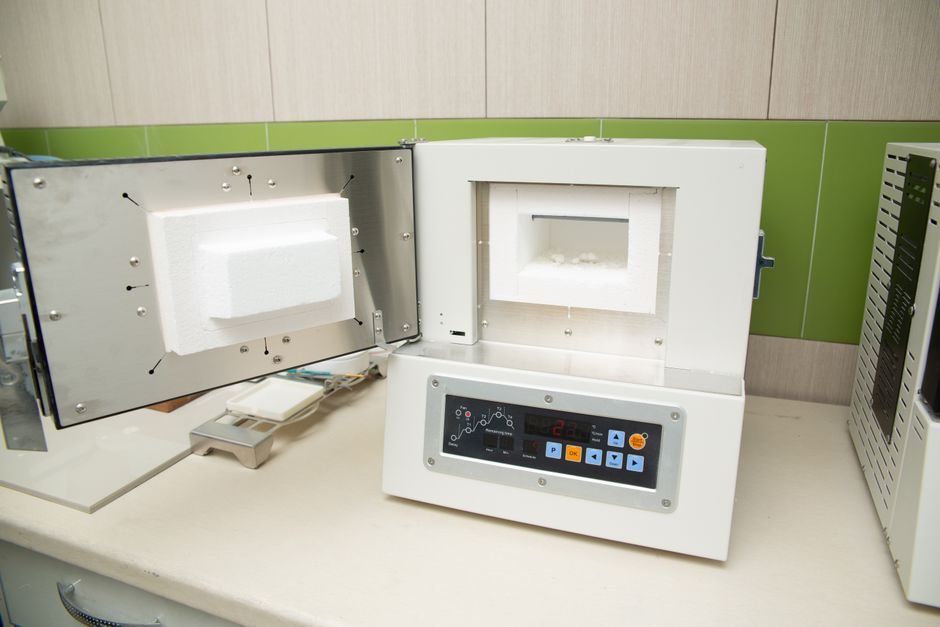
A vacuum die casting machine is a die casting machine fitted with a sealed shot sleeve, evacuation valves, and a vacuum pump that drops die-cavity pressure to roughly 50-500 mbar absolute before the metal is injected, suppressing gas porosity and enabling heat-treated structural castings [S1].
The category sits inside high-pressure die casting, with two practical sub-types: the vacuum die casting machine (high-vacuum) and the standard pressure-vacuum hybrid. The dominant alloys are aluminum (good corrosion resistance, high dimensional stability) and magnesium (lightweight), with zinc used for smaller hardware items [S1].
Why Vacuum Matters: The Engineering Reason, Not the Marketing One
Trapped air in a die-cast part becomes porosity, which blocks heat treatment and cuts fatigue life. NADCA frames high-pressure die casting as a process that injects liquid metal into a reusable steel die under high pressure, with rapid cooling solidifying the shape [S1].
When evacuation drops cavity pressure into the 50-200 mbar band, dissolved hydrogen and entrained air are pulled out before solidification, raising density and allowing T6 heat treatment on structural castings. This is the same logic now used in the aluminum die casting machine class sold for automotive structural parts and 5G heatsinks.
Spec Gates That Decide the Build
Locking force, platen size and shot weight set the envelope; vacuum level, shot sleeve sealing, and PLC integration decide whether the machine is a real vacuum cell or a pressure-vacuum hybrid with a marginal porosity improvement. YIZUMI markets the LEAP-series digital die-casting platform that pairs servo valve real-time control with vacuum-ready shot ends for structural aluminum and magnesium work [S4].
Typical spec bands seen on China-built machines for structural aluminum: locking force 900-9000 kN, platen 900×900 mm to 2200×2200 mm, shot weight 2-25 kg Al, vacuum level ≤100 mbar (high-vacuum builds ≤50 mbar). For a magnesium die casting machine, the gating set must use steel or refractory inserts because molten Mg attacks standard cast iron shot sleeves.
Cold-Chamber vs Hot-Chamber, and Where Each Vacuum Build Fits
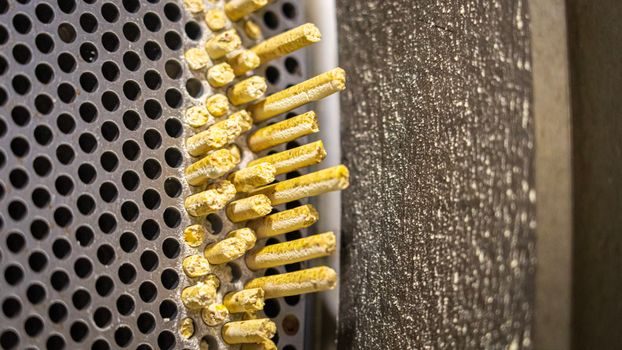
Cold-chamber machines carry the melt in a ladle and inject it into a separate shot sleeve; they handle aluminum, magnesium and brass. Hot-chamber machines keep the melt submerged in a gooseneck and are built for zinc and leaded alloys only [S1].
Vacuum is overwhelmingly specified on cold-chamber builds because aluminum and magnesium have high melting points and react with the gooseneck. The related sizing reference Cold Chamber Die Casting Machine Sizing and Selection Guide walks through the same locking-force / shot-weight envelope. For structural automotive and aerospace work, the cold-chamber die casting machine suppliers 2026 cluster map shows the Ningbo, Guangdong and Jiangsu cluster where vacuum-capable cells concentrate.
Vacuum vs Pressure-Vacuum Hybrid: A Side-by-Side
High-vacuum die casting pulls cavity pressure to 50-100 mbar and pairs with a sealed shot sleeve; porosity drops low enough to allow T6. Pressure-vacuum hybrid starts with the cavity at atmospheric pressure, then throttles during the fast-injection phase; cost is lower but density improvement is partial. Both can run on the same gravity die casting machine base, but only high-vacuum meets automotive structural-casting porosity targets. [S1]
For low-temperature zinc die casting machine work (locks, hardware), vacuum is rarely specified because zinc fills thin walls easily and porosity targets are not as tight; a hot-chamber non-vacuum cell is the standard tool.
Component Bands and Where the Cost Hides
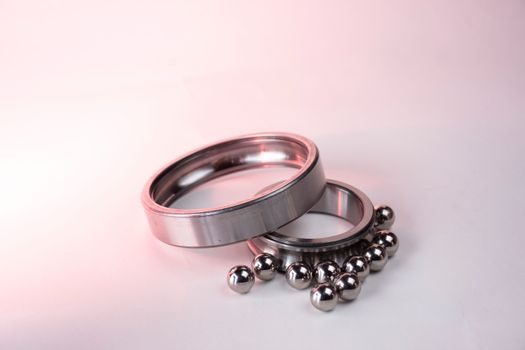
Die components on the China market range from US$ 1-5 for standard ejector pins and guide bushes [S6] to US$ 10,000-400,000 for full die sets on listing portals [S5]. Replacement shot sleeves and plunger tips are the wear items that get replaced every 6-12 months on a 9000 kN cell running two-shift.
Pneumatic hardware inside the clamping and evacuation circuits ties the cell into the broader factory map, where Pneumatic System Upstream & Downstream Industries: 2026 Steel-to-Automation Map and the Pneumatic System Supplier Map 2026 cover the component tier the die-casting plant will pull from.
Who Vacuum Die Casting Is For, and Who It Is Not
It is for buyers of structural aluminum and magnesium castings that must pass T6 heat treatment, fatigue tests, and pressure-tightness specs: automotive chassis nodes, 5G heatsinks, e-drive housings, aerospace brackets, and high-end consumer electronics frames. NADCA's alloy list puts aluminum and magnesium as the dominant high-pressure die casting materials with good corrosion resistance, high dimensional stability, and the right mechanical property set for these applications [S1].
It is not for cosmetic zinc hardware, for low-volume gravity cast iron parts, or for buyers who only need cosmetic-grade castings with no heat-treat requirement. For those jobs a gravity die casting machine or a non-vacuum hot-chamber zinc cell will deliver acceptable parts at 30-50% of the equipment cost.
Limitations, Failure Modes, and Standards to Watch

Vacuum seals fail in service: O-rings in the shot-end block, the die-spray nozzle plate, and the evacuation valve seat all degrade on a 3-9 month cycle depending on cycle count and alloy. A vacuum system leak above roughly 200 mbar steady-state cavity pressure is the most common cause of porosity claims on an otherwise good machine. NADCA's process framing — high-pressure injection of liquid metal into a reusable steel die with rapid solidification [S1] — assumes the cavity is sealed, so a degraded vacuum path breaks the entire process chain.
Buyers should require a documented vacuum-leak-rate test on acceptance (typically <5 mbar/min rise on a sealed empty die) and a shot-weight repeatability of ±1.5% on the same machine. For high-vacuum builds the OEM typically supplies the pump package; for hybrids the buyer often sources the pump separately, which complicates after-sales service.
Sourcing Channels and the 2026 Cluster Map
China-built vacuum die casting machines cluster in Ningbo, Guangdong (Foshan, Zhongshan), and Jiangsu. The same Made-in-China category pages list zinc and aluminum cast badge hardware at US$ 0.18-1.50 per piece for reference downstream pricing, while the die-casting machine category covers the production cells that make them [S3].
For oil-and-gas rated structural castings the related reference Cold Chamber Die Casting Machines for Oil and Gas: Spec Cut and Sourcing Map covers the heavier locking-force class. Buyers should lock acceptance specs (locking force, platen size, vacuum level in mbar, shot weight repeatability) before shortlisting OEM, then verify the pump package and PLC architecture.
Trackable signals for the next procurement cycle: NADCA's process guidance and the ongoing OEM digital-platform rollouts (YIZUMI LEAP-series controllers for vacuum-ready cells) [S4], plus the 2026 Southeast Asia Die Casting Conference where magnesium mass-production cell announcements are typically first surfaced. These are the two clearest early indicators that vacuum-capable structural cell capacity is still expanding in the China and ASEAN supply base.