Pressurized oil acting on a piston is the energy path inside a hydraulic actuator, whereas an electric actuator converts rotary motor torque through an integrated power screw or gearbox into linear thrust, and that single mechanical distinction drives nearly every downstream spec difference engineers care about [S1][S3].
The classic benchmark from Tolomatic puts system efficiency at 75–80% for electric rod actuators and 40–55% for hydraulic cylinders, a gap that comes from the energy lost across the hydraulic power unit, valving, hose runs, and the cylinder seals themselves [S4]. A 1.1 kW input-power study published in PMC (2023) confirmed the same pattern: with matched load, the electric system showed the most consistent displacement profile and the lowest power consumption, while hydraulic and pneumatic systems needed component changes to match that response [S1].
Energy Path and Force Density
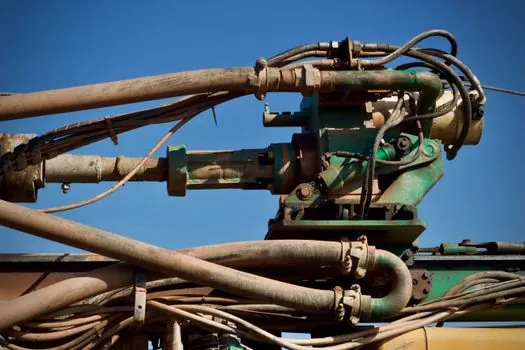
A hydraulic cylinder multiplies a relatively modest pump pressure by piston area to produce force, which is why excavators, presses, and injection-molding clamps can be driven by compact cylinders rated at thousands of psi; a typical industrial cylinder can sustain 3,000–5,000 psi working pressure and reach multi-ton output forces in a small envelope [S2].
Electric rod actuators trade that force density for precision: Tolomatic reports current product lines capable of up to 100,000 lbs of thrust using planetary roller screws, which has pushed electromechanical units into applications once reserved for hydraulics [S3]. The catch is package length: an electric actuator needs more axial space than a hydraulic cylinder of equivalent bore because the power screw, bearings, and motor all stack inline [S3].
Motion Control: Position, Speed, Force, Repeatability
Mid-stroke positioning is the clearest technical divider between the two technologies: a standard hydraulic cylinder reaches repeatable end-to-end positions easily, but mid-stroke holding is open-loop, depends on a control valve plus operator judgement, and drifts as seals wear and oil viscosity shifts with temperature [S4].
Servo-driven electric actuators offer closed-loop control of position, velocity, acceleration, and force on the fly, with repeatability far beyond what a hydraulic cylinder can hold without a servo-hydraulic retrofit [S4]. The servo-hydraulic option exists (servo controller, electrohydraulic servo valve, linear transducer) but adds significant component count, cost, and maintenance overhead, so it is rarely specified unless the application genuinely needs hydraulic-level force with electronic control [S4].
System Footprint, Components, and Maintenance
A hydraulic system needs a pump, reservoir, hoses, regulators, directional valves, and the cylinder itself, plus periodic fluid changes and seal replacement, and any of those components can leak over the machine's life [S3]. The environmental and clean-room cost of a single hydraulic leak is enough to push pharmaceutical, food, semiconductor, and clean-manufacturing lines toward electric drives [S1].
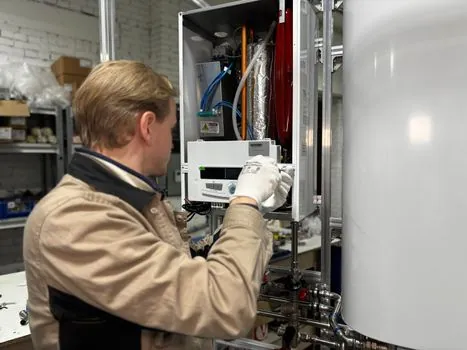
Electric systems shrink that list to the actuator, a servo or stepper motor, cables, and a drive or amplifier in a control cabinet, with an optional gearbox [S3]. Simpler design also means fewer potential leak points and lower routine maintenance, which is the recurring pitch from electric-side vendors and a fair one for indoor, factory-floor duty [S8].
Precision, Tolerances, and Environmental Behaviour
Hydraulic and pneumatic systems carry inherent tolerances from slack, backlash, and hose flex, while electric actuators hold tighter positioning accuracy because the screw mechanism locks the output mechanically when de-energized [S5]. That mechanical lock also gives electric actuators a natural fail-in-place behaviour: power-off position is held by the screw, whereas a hydraulic cylinder can drift if a check valve or counterbalance is not specified.
Hydraulic efficiency falls as oil viscosity shifts with temperature, so repeatability varies between a cold-start Monday shift and a warmed-up Wednesday shift on the same machine; electric efficiency is largely a function of the screw and gearbox, so day-to-day drift is much smaller [S4]. In cold or outdoor environments, hydraulic systems can be specified with low-viscosity oil and heaters, but those are extra components a comparable electric install does not need [S1].
Decision Criteria: When to Pick Which
Force per envelope is the first filter: applications that need very high force in a short physical package (mobile hydraulics, large presses, ship steering, heavy clamping) still go to hydraulics because of the pressure-times-area advantage [S2][S3]. When the duty cycle also includes long idle periods, the hydraulic power unit still consumes energy to keep pressure ready, while an electric actuator only draws power while moving [S6].
Cleanliness, precision, multi-axis coordination, and indoor factory footprint push the answer toward electric: clean-room manufacturing, pharmaceutical and food lines, semiconductor handling, and any application needing coordinated multi-axis motion are now routinely spec'd as all-electric [S3][S5]. For a deeper look at how fail-safe hydraulic circuits handle power loss in safety-instrumented duty, the accumulator fail-safe stroke in hydraulic ESD actuators breakdown is worth reading alongside this comparison.
Total Cost of Ownership and Energy Use
Hydraulic cost per unit of force is still lower at acquisition, and ruggedness favours hydraulics in dirty, high-shock, or outdoor mobile environments, so the procurement math is not one-directional [S3][S4].
Maintenance accounting also tips: hydraulic systems need periodic fluid sampling and changes, seal replacement, and HPU servicing, while electric actuators are largely inspection-only until the screw or bearing reaches its rated life, often measured in millions of cycles depending on the screw technology and load factor [S3][S9].
Hybrid Option: Electro-Hydraulic Actuators

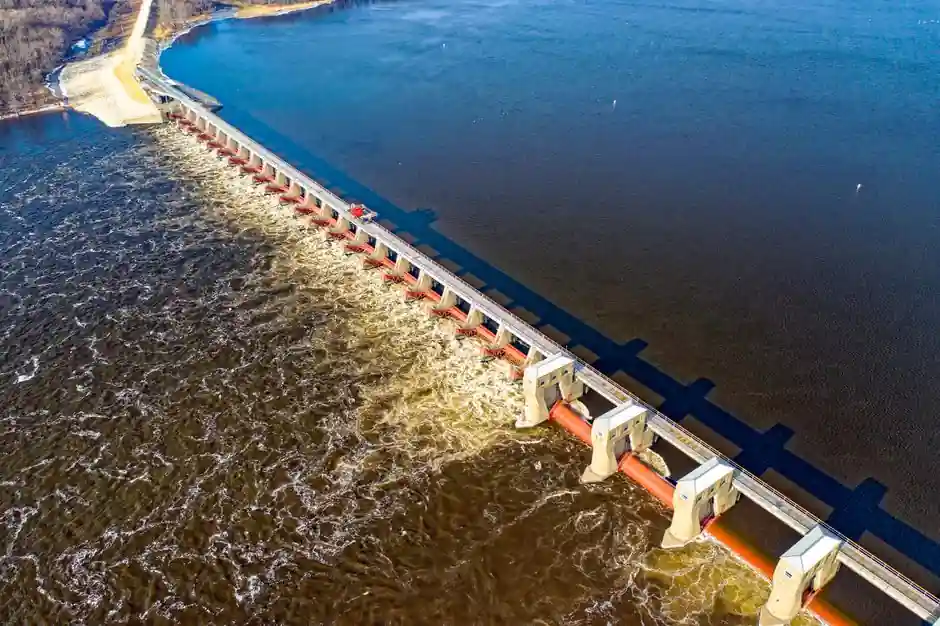
Electro-hydraulic actuators package the pump, reservoir, and cylinder into one self-contained unit, install in hours instead of the longer pipe-and-valve assembly a pure hydraulic circuit needs, and add real-time electronic control of position, speed, and force [S7]. They are a common choice for remote valve automation, dam gates, and pipeline isolation where hydraulic force is required but a standalone HPU room is impractical.
For process-plant valve duty specifically, the trade between electric and electro-hydraulic is covered in the electric ball valve reference; the same logic applies to most quarter-turn and linear valve actuators in oil and gas, water, and power.
Selection Rules of Thumb
Pick hydraulic when the load is very high, the environment is dirty or outdoor, the duty cycle benefits from stored energy in an accumulator, or the application must fail-safe to a specific position with a spring or counterweight. Pick electric when precision, cleanliness, multi-axis coordination, indoor footprint, or low routine maintenance dominates the spec, and when the force requirement is within the modern 100,000 lb class that roller-screw actuators now reach [S3][S4].
Cross-check with three measurable numbers before signing the requisition: required force at working pressure or at continuous motor torque, maximum acceptable stroke length versus envelope, and the efficiency band (40–55% hydraulic versus 75–80% electric) the plant's energy budget can absorb [S4].
The next signal worth tracking is whether roller-screw life ratings continue to push electric actuators into force classes currently held only by hydraulics, and whether hydraulic HPU efficiency improves enough to close the 30+ percentage-point efficiency gap that today still drives long-cycle cost-of-ownership toward electric drives [S3][S4].