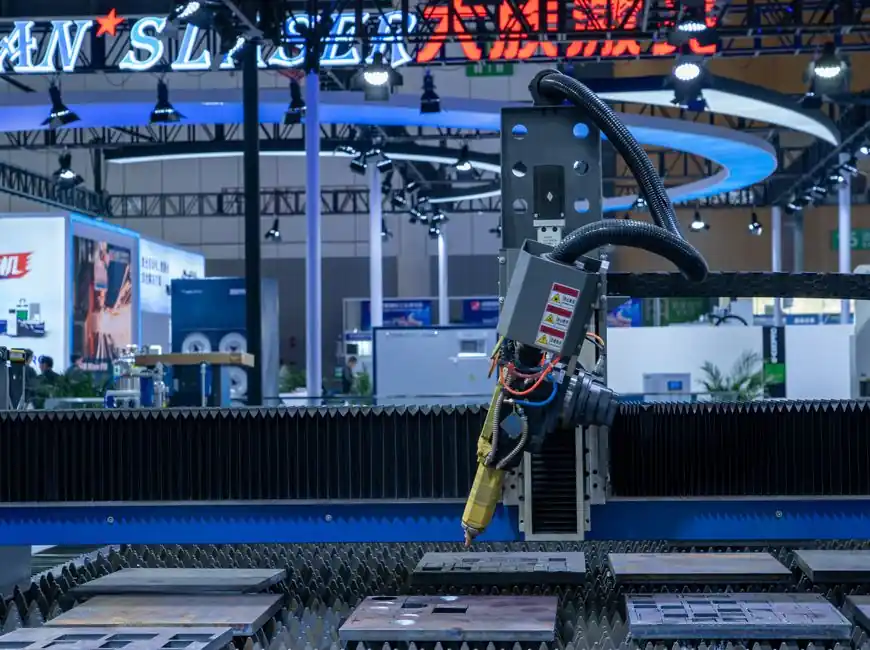
Industrial automation software for manufacturing is built on a layered stack of SCADA, MES, PLC, and HMI components, with quality governed by ISO 9001:2015 QMS, ISO 16100 manufacturing software interoperability profiles, and OPC UA / MTConnect data-exchange protocols [S1][S3][S4].
Conformance is tested against ISO 16100 Parts 1-6, which define capability profiling, interface services, and conformance test methods for interoperability across production equipment, while ISO 9001:2015 remains the dominant QMS framework cited by mainstream platforms [S1][S4][S5].
Quality Standards Framework and Hierarchy
Quality standards in manufacturing define the requirements a part, material, or process must satisfy, with ISO 9001:2015 serving as the most widely adopted QMS baseline across discrete and process plants [S5].
Six Sigma methodology, Good Manufacturing Practice (GMP), and industry-specific regulations (FDA 21 CFR Part 11 for electronic records and signatures) layer on top of ISO 9001 to address defect-rate targets, sanitation, and audit-grade digital traceability [S4][S5]. Quality assurance handles process design and prevention; quality control handles inspection and measurement; the two are routinely confused but operate at different stages of the production cycle [S4].
Manufacturing Software Capability and Interoperability
ISO 16100 Part 4 specifies conformance test methods, criteria, and reports for verifying that manufacturing software profiles match the interoperability requirements set in Parts 1-3 (framework, profiling methodology, interface services and capability templates) [S1].
ISO/TC 184/SC 5 maintains the full ISO 16100 series, plus related enterprise-interoperability and time-critical communication standards, all at stage 60.60 (International Standard published) or 90.60 (International Standard under systematic review) [S1]. Buyers should confirm the stage code on a vendor's certificate: 95.99 indicates withdrawal of an older edition, which still shows up in legacy plant documentation.
Architecture: SCADA, MES, PLC, HMI Integration

A modern manufacturing automation software stack integrates SCADA for real-time visualization, MES for production workflow and WIP tracking, PLCs for machine-level control, and HMIs for operator interaction, with data historians capturing time-series production records [S3].
Interoperability is the hard part: equipment from different vendors must exchange data through OPC UA, MTConnect, or EtherNet/IP, with MTConnect providing a standardized XML/HTTP vocabulary for machine tool and sensor telemetry [S3]. When specifying a new line, engineers should map the protocol coverage of every device against the SCADA platform and the electrical automation layer before procurement.
Software Quality Control: Vendor Comparison 2026
Cloud QMS platforms dominate 2026 procurement lists, with SafetyCulture (Mitti) at $24/seat/month for teams of up to 10, ComplianceQuest starting at $30/month, and Arena/MasterControl/Plex sold on custom pricing tiers [S2].
Decision criteria break out as: (1) QMS scope, where Arena unifies PLM+QMS, MasterControl adds document control and training, Plex extends into full ERP; (2) deployment, with all five available as iOS/Android mobile plus web; (3) free-tier availability, present only on Mitti; (4) CAPA and audit-trail coverage, which is standard on Arena and MasterControl [S2]. Engineers evaluating these should cross-check the platform against the power quality analyzer data layer if the same historian will feed both QMS events and energy reporting.
Selection Criteria: Who Needs What

Plants bound by FDA 21 CFR Part 11 must require electronic signature, audit trail, and validation documentation from any QMS vendor, since Part 11 governs the trustworthiness of electronic records equivalent to paper records [S5].
Discrete manufacturers with mixed-vendor lines benefit most from ISO 16100 conformance evidence, while regulated pharma/food lines should prioritize GMP modules and electronic-records compliance. Small shops under 10 users can standardize on Mitti's free tier, whereas multi-site operations typically outgrow per-seat licensing and move to Plex or MasterControl custom contracts [S2].
Limitations and Common Failure Modes
QMS software fails most often at the integration boundary, not the application layer, because MES, ERP, and historian databases use different tag-naming conventions, timestamp resolutions, and batch ID formats [S3].
Plants that skip the OPC UA / MTConnect protocol audit during specification typically spend 15-30% of implementation time on custom middleware, eroding the ROI of the QMS license. The same lesson shows up in adjacent domains: the Industrial Wireless Module Suppliers: 2026 Spec Map coverage illustrates how missing protocol planning forces retrofit gateways, and the Industrial Edge Gateway Market: Vendor Share and Spec Map for 2026 breakdown tracks the same pattern at the OT-IT boundary.
Sourcing, Standards, and Procurement Signals
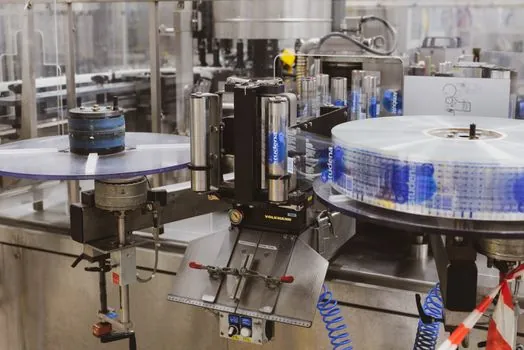
ISO 9001:2015 certification status, ISO 16100 conformance test reports (Part 4), and 21 CFR Part 11 validation packages are the three documents buyers should request before signing any manufacturing-automation software contract [S1][S4][S5].
Trackable signals through the next quarter: ISO/TC 184/SC 5 systematic review of ISO 16100 Parts 1, 5, and 6 (stage 90.60), and any vendor release notes confirming OPC UA companion-specification updates for the additive manufacturing material workflow that several MES vendors are now piloting. Material-handling shops layering robotic systems should also watch the Industrial Router Selection: A Spec-First Map for 2026 coverage, since router MTBF and protocol pass-through directly affect historian uptime.