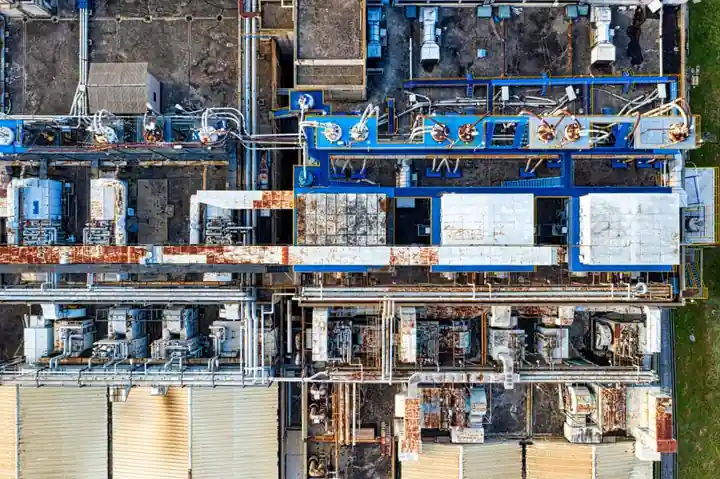
Industrial refrigeration can represent up to 20% of electricity consumption in agri-food, pharmaceutical, and logistics sites, and Industry 4.0 stacks (IoT, AI, real-time monitoring) are now the main lever for cutting that load [S4].
The adoption is technical, not conceptual: refrigeration plants are layering sensor networks onto compressors, condensers, and evaporators, then routing the data into AI engines that detect inefficiency, predict failure, and adjust operating parameters dynamically [S2][S4].
Where the 20% Load Comes From, and What IoT Actually Monitors
Refrigeration is energy-heavy because it runs continuously against thermal load from product, process, and ambient conditions, and many installed plants under-perform their theoretical efficiency due to poor configuration, missing maintenance, or oversizing [S4]. The Industry 4.0 response starts with instrumenting the plant: power transducers, PT/RTD temperature strings on suction and discharge lines, pressure transmitters on high/low sides, and flow meters on chilled water or brine circuits. The same Articae 2025 brief frames real-time visualisation of power, temperature, consumption, and duty cycle as the prerequisite for any further optimisation step [S4]. The same logic shows up in the industrial camera reference page, where the same sensor, edge, and analytics stack is used for remote visual inspection in hazardous or unmanned plant zones.
Cold-chain and process plants add CO2 / NH3 leak detection, door-state switches on cold rooms, and humidity probes for fresh-produce storage. Once the data is on a time-series platform, the system can show operating cost per kWh of cooling, flag drift, and feed the predictive models.
AI, Predictive Maintenance, and Dynamic Optimisation
AI sits on top of the sensor layer, not beside it: anomaly detection on compressor power curves, clustering of inefficient operating patterns, and failure prediction on rotating equipment (compressors, pumps, fan motors) [S4]. The cited benefits are concrete: lower energy consumption, longer equipment life, fewer unplanned shutdowns, and continuous performance improvement [S4]. The same "detect, predict, optimise" pattern is described generically in Cosmic Refrigeration's 2025 trend summary, where IoT sensors detect temperature fluctuations, pressure changes, and potential system failures to prevent costly breakdowns [S2].
Dynamic optimisation goes one step further. Instead of fixed setpoints, the controller adjusts suction pressure, condenser pressure, and compressor staging in real time to track ambient conditions and load, with intelligent energy-demand management layered on top [S4]. Variable-speed compressors, heat-recovery loops, and thermal-energy-storage charging during off-peak windows are the physical assets that make those setpoint changes worth doing [S2].
Eco-Friendly Refrigerants and the Regulatory Push
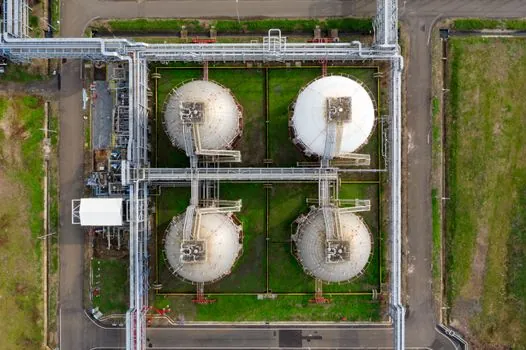
The Kigali Amendment to the Montreal Protocol is the regulatory tailwind pushing refrigerant changeover across the sector, phasing down HFCs in favour of low-GWP options such as R-290 (propane), R-744 (CO2), and ammonia-based systems [S2]. This is the same driver documented in academic Industry 4.0 / sustainability work, which frames i4.0 as a tool for resource efficiency and sustainability rather than a productivity overlay [S1].
Refrigerant choice changes the instrumentation and safety case. Ammonia plants need toxic-gas detectors, ATEX-rated electrical gear in machinery rooms, and leak-isolated control panels; CO2 transcritical systems run at 80-120 bar discharge and need pressure-rated vessels, relief valves sized per ASME BPVC Section VIII, and density-based cooling control. Replacing HFCs without a matching sensor and analytics layer leaves the efficiency gains on the table.
Adoption Stack: IoT, AI, Energy Monitoring, and Real-Time Data
The four layers Articae lists (AI, IoT, energy monitoring, real-time data analysis) map cleanly onto a typical i4.0 architecture: field sensors and PLCs, edge gateways with MQTT or OPC-UA, a cloud or on-prem time-series database, and an analytics / ML tier that closes the loop back to the PLC [S4]. Cosmic Refrigeration's 2025 write-up groups the same capabilities under "Smart Technology and IoT", covering remote monitoring, predictive maintenance, and real-time performance optimisation [S2].
This is the same "tech-solution" framing used in the 2024 Guertler framework: a single enabling technology (for example, an IoT temperature sensor) only delivers value when bundled with networking, analytics software, and a defined use case. The framework argues that i4.0 technologies should be acquired as purpose-oriented tech-solutions rather than as isolated purchases [S3]. A compressor without CAD-integrated analytics, dashboarding, and a maintenance hookup is just a compressor with a sensor.
Why Adoption Rates Lag Expectations
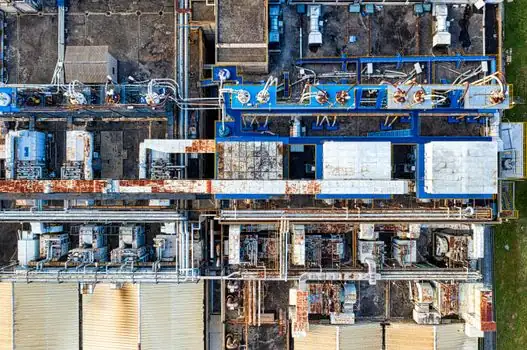
Despite the case, i4.0 uptake has run below early forecasts, with recurring barriers: limited internal understanding of i4.0, capability and skill gaps, system-integration cost, and high up-front capex [S3]. These are the same obstacles flagged in earlier SME surveys, where organisational and skill readiness matter more than the technology itself [S3].
Refrigeration plants layer two extra constraints on top: a long asset life (15-25 years for ammonia and CO2 systems, which freezes the installed base), and a conservative safety culture around flammable or toxic refrigerants that slows greenfield retrofits. A realistic adoption path is brownfield-first: instrument what is already running, harvest 12-18 months of data, then justify controls and variable-speed upgrades from measured savings.
Modular, Scalable, and Cold-Chain Adjacent
Modular refrigeration skids are now a default choice for plants with seasonal load or growth pipelines, because capacity can be added in factory-built modules without shutting down the host plant [S2]. Solar-powered refrigeration units, phase-change-material (PCM) thermal buffers, and blockchain-style temperature tracking are also moving from pilot to spec for cold-chain logistics, where each link in the chain has its own IoT footprint [S2].
These adjacencies matter for spec writing. A cold-store or pharma warehouse is no longer one PLC and one compressor; it is a modular cluster with shared digital twins, shared alarm routing, and shared cybersecurity posture. Buyers comparing cold-chain sensors and stack lights should treat monitoring hardware the same way they treat PLCs, on a published protocol and a documented API. Practical cross-category guidance appears in the procurement-first write-up on measuring-instrument procurement, where sensor specs, calibration, and protocol fit drive vendor selection more than brand.
Who Should Adopt Now, and Who Should Wait

Adopt now: multi-site operators with 5+ refrigeration plants, food processors with HACCP-mandated temperature logging, and pharma sites under GDP cold-chain audit, because data-logging and remote alarm routing are already compliance asks. Adopt selectively: single-site plants with stable load and a young asset base, where the payback from monitoring is real but slower. Defer: ammonia sites pending a planned turn-around, where it is cheaper to bundle sensors with the next scheduled overhaul than to retrofit between outages. [S4]
Decision criteria in short: regulatory pressure (Kigali, F-Gas, local HFC phase-down), energy share (refrigeration as a % of plant electricity), asset age (sensors are cheaper to install during scheduled downtime), and digital maturity (do you already have a time-series historian or are you starting from spreadsheets). If three of four lean to "yes", the stack pays back inside 24-36 months on energy alone, before counting avoided shutdowns.
Limits, Failure Modes, and Open Signals
Failure modes are well known: sensor drift on temperature strings causing false optimisation, network dropout in cold rooms where condensation kills wireless, and ML models trained on one refrigerant mis-firing when a system is recharged with a different blend. Cybersecurity is the under-discussed limit: every new IoT endpoint is a potential intrusion path, and OT/IT segmentation in a refrigeration plant is often thinner than in the rest of the facility. Watch for Kigali phase-down milestones at national level, IEC 62443 adoption on refrigeration vendor gateways, and ammonia / CO2 leak-sensor standardisation under IEC 60079-x for hazardous-area electronics. [S2]
Two trackable signals for the next 6-12 months: published payback benchmarks for AI-driven optimisation on ammonia versus HFC plants, and the first wave of vendor-neutral digital-twin interfaces for multi-vendor refrigeration fleets.
Component reference pages worth checking: industrial adhesive, and industrial borescope.