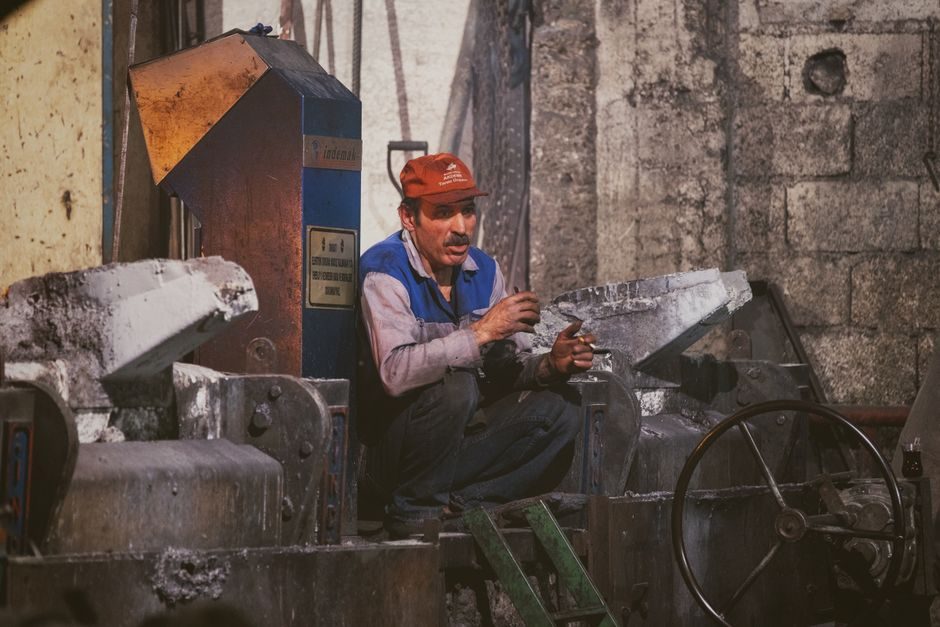
Made-in-China.com lists 2,000+ investment-casting manufacturers and 6,000+ products, with silica-sol lost-wax parts priced from US$0.10-0.45 per piece in July 2026 [S3]. The category spans carbon steel, stainless steel, alloy steel, tool steel, and nickel superalloys, with medical-grade 316L check-valve bodies quoted at US$11.5-13.5 per piece [S3].
On the supply side, Besser (Shaanxi) reports more than 400 active customers across 10+ countries and 3,000+ products in production, with stainless, carbon, alloy, tool, and nickel casting all under one roof [S1]. Hi-CON Technocast (Rajkot, India) and Highco Metal round out the non-China capacity that still wins aerospace and medical work where traceability documentation is decisive [S7][S9].
Supplier Tier Signals: What Separates a Real Foundry from a Trading Front
Audited-supplier status on Made-in-China.com, plant area of 2,000+ m², and 50+ employees are the first-pass filter that distinguishes a processing foundry from a trading front [S3]. Jiangsu Shengrong High End Equipment Manufacturing runs a 2,000+ m² plant with 160 employees and reports ODM/OEM R&D capacity plus ≤3-hour inquiry response, all on ISO 9001:2015 [S3]. Wudi Kefeng Stainless Steel Products hits 5.01 million USD annual revenue, 2,000+ m², 145 employees, and lists Own Brand + ODM + OEM as its R&D model [S3].
Multi-process capability is the second tell. Ningbo Sanjin Engineering Machinery, registered 2016, holds ISO 9001, ISO 14001, ISO 14000, and HACCP, and lists investment casting alongside sand casting and casting machinery in its product mix [S10]. Suyuan International (Shanghai, registered 2010) combines investment casting with hardware, punching, pressing, forging, machining, aluminum extrusion, and plastic injection — the vertical mix that lets one PO cover a sub-assembly [S2].
Material Capability Map and Decision Criteria
Investment-casting foundries split cleanly by alloy family, and the wrong match is the single largest source of RFQ rework. Besser publishes five explicit material lines — stainless, carbon, alloy, tool, and nickel — with nickel-iron castings positioned as the strongest superalloy option for corrosion and heat [S1]. Highco Metal narrows its envelope to stainless steel, alloy steel, low-carbon steel, plus non-ferrous aluminum and copper, all produced under ISO 9001:2015 with a documented casting-simulation stage [S7].
On a four-axis comparison the mainline options line up as: stainless/carbon/alloy steels dominate general industrial RFQs at the lowest per-piece price; tool steel is the right pick for wear surfaces and dies; nickel superalloy is reserved for high-temperature or corrosive service; and silica-sol precision casting is the process branch that delivers the best surface finish and tightest tolerance for medical, food-grade, and aerospace fittings [S1][S3][S7]. Carbon steel is consistently the cost leader for non-corrosive structural parts, while 316L stainless is the de facto medical and food-grade default and is quoted roughly 25-100× higher per piece than commodity carbon-steel lost-wax parts [S3].
Process Capability and Equipment Stack
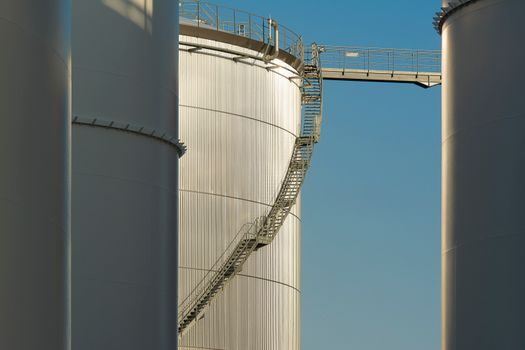
Modern investment foundries run a 12-step lost-wax workflow from casting simulation through value-added CNC machining, and the steps that most often get shortchanged in a low-cost quote are shell making, dewaxing, and heat treatment [S1]. Besser lists the full chain: tooling, wax injection, wax-pattern welding, shell making, dewaxing, spectrum-analyzer alloy verification, pour, shell-removing/cutting/grinding, shot/sand blasting, heat treatment, reshaping, plus CNC machining, polishing, electroplating, and paint spraying [S1].
Adjacent equipment choices matter because the casting line rarely stands alone. Sand-casting moulds handle the larger and lower-finish parts, while die-casting dies take over once volume crosses the threshold where permanent tooling pays for itself. For melt handling on the foundry floor, casting ladles and the die-casting machines that feed them set the real cycle-time ceiling. Buyers who only spec the wax pattern and ignore the casting mold interface are the ones who get re-quoted at the tooling stage [S1][S3].
Price Bands, MOQ, and Lead-Time Reality (July 2026)
Commodity stainless/carbon lost-wax parts on Made-in-China.com cluster at US$0.10-0.45 per piece, with MOQs of 1,000 pieces for the lowest entries and 100 pieces for mid-tier finishes [S3]. The same listing page quotes cast-steel agricultural-machinery parts at US$2.10-2.50 per piece with ODM brass and OEM stainless variants; Qingdao Hetai Precision prices CNC-machined investment-cast sub-assemblies from US$1 to US$2,000 per piece across 10-100 piece MOQs [S4].
Specialty items break the curve. The 316L medical stainless check-valve body sits at US$11.5-13.5 per piece, a dental casting investment material runs US$18-25 per box, and high-grade andalusite refractory for precision-casting shells is US$0.10-0.35 per kg with a 1,000 kg MOQ [S3][S8]. At the heavy end, iron/steel investment-cast blanks list at US$1,000 per ton with 1-ton MOQ, and ductile-iron sand-cast industrial housings span US$1,000-40,000 per ton with 1-ton MOQ [S3][S6].
Industrial Application Segments and What Each Segment Demands
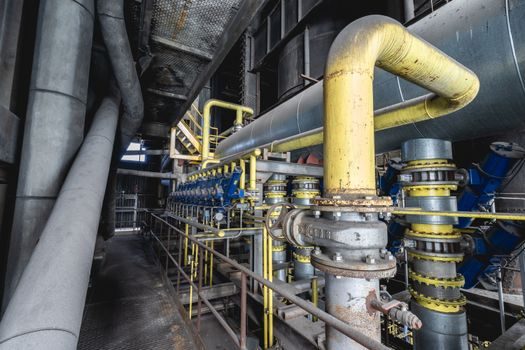
Five end-markets drive 80% of inquiry volume on these platforms: automotive parts, construction hardware, bathroom hardware, agricultural equipment, and hydraulic equipment — all named as dedicated industry pages on Besser's site [S1]. Hydraulic and agricultural parts usually price on the carbon/alloy-steel band, while bathroom and food-contact hardware price on 304/316 stainless; medical devices, where investment casting tolerances and traceability dominate, are the only segment where 316L premium pricing is structurally protected [S1][S3].
Buyers sourcing agricultural-machinery castings will find US$2.10-2.50 per piece the realistic budget band and QS Machinery-style OEM/ODM shops the typical counterpart [S4]. For a deeper look at the equipment side of the line — wax injectors, shell-build robots, dewaxing autoclaves, and melting furnaces — the investment casting equipment types and industrial application map lays the hardware stack in plain spec terms, and the cast aluminum alloy selection map covers the alloy-alloy side of the same decision. A wider view of China casting-industry pricing across iron, steel, and non-ferrous foundries is on the China casting industry sourcing page [S4][S6].
Who This Market Is For, and Who Should Look Elsewhere
This supplier base fits: OEMs needing 100-10,000 piece runs of stainless, carbon, or alloy lost-wax parts with tolerances that don't justify machining-from-billet; medical and food-equipment buyers who need 316L with full MTRs; agricultural and construction-hardware importers running on US$0.10-3.00 per piece cost targets; and engineering teams that need ISO 9001:2015 + ISO 14001 documentation on the audit trail [S1][S3][S10].
It does not fit: sub-100 piece prototyping where 3D-printed patterns or sand-casting moulds are cheaper; ultra-high-volume zinc or aluminum parts where die-casting dies amortize across millions of shots; nickel-superalloy aerospace rotating hardware that needs Nadcap rather than ISO 9001 alone; and any buy where the casting ladle metallurgy is the bottleneck, since a low-cost lost-wax job still has to survive the pour [S1][S7][S9].
Failure Modes, Constraints, and Verification Steps
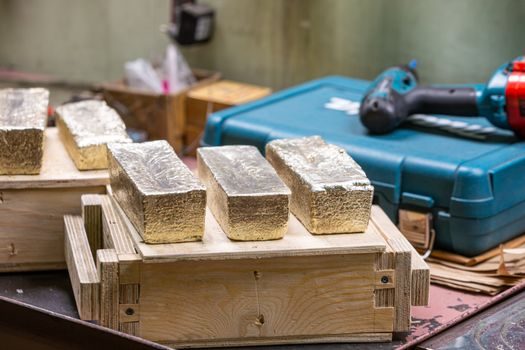
The three most common RFQ failures on this category are: (1) under-spec'd material — a buyer asks for "stainless" and gets 201 when they needed 304/316 for corrosion; (2) tolerance bands that need CT4-CT5 precision investment casting being quoted on a sand-cast process; (3) surface-finish expectations (Ra ≤1.6 μm) being set on a factory whose shell-build and grinding line cannot deliver it [S1][S3][S7]. Sand-casting foundries are the right call for larger, lower-finish parts and the sand-casting mold workflow handles them at a fraction of investment-cast pricing — but only if the buyer accepts the coarser finish [S6].
Verification checklist before placing a PO: confirm ISO 9001:2015 certificate number and validity directly; ask for a sample with a third-party spectrometer test report for the actual alloy grade; require a documented 12-step workflow on the factory audit form; check plant area, employee count, and audited-supplier status on the B2B platform; and for medical/aerospace, require material test reports per heat number rather than per shipment [S1][S3][S7][S10]. Static-control on the shop floor is rarely a headline spec for foundries, but for any electronic or sensor-integrated casting buyer, the anti-static equipment class is the silent line item that protects finished parts during packing and ESD-sensitive sub-assemblies during kitting.
Track the next two signals to see if the supplier map shifts: (1) how many Indian and Vietnamese foundries get added to the audited-supplier list on Made-in-China.com by Q4 2026, since Hi-CON's July 2026 site update shows Indian precision-casting capacity actively marketing on cost-and-quality parity with Chinese suppliers [S9]; (2) whether silica-sol lost-wax price floors stay at US$0.10-0.45 per piece through year-end or break lower as new capacity comes online [S3][S4].