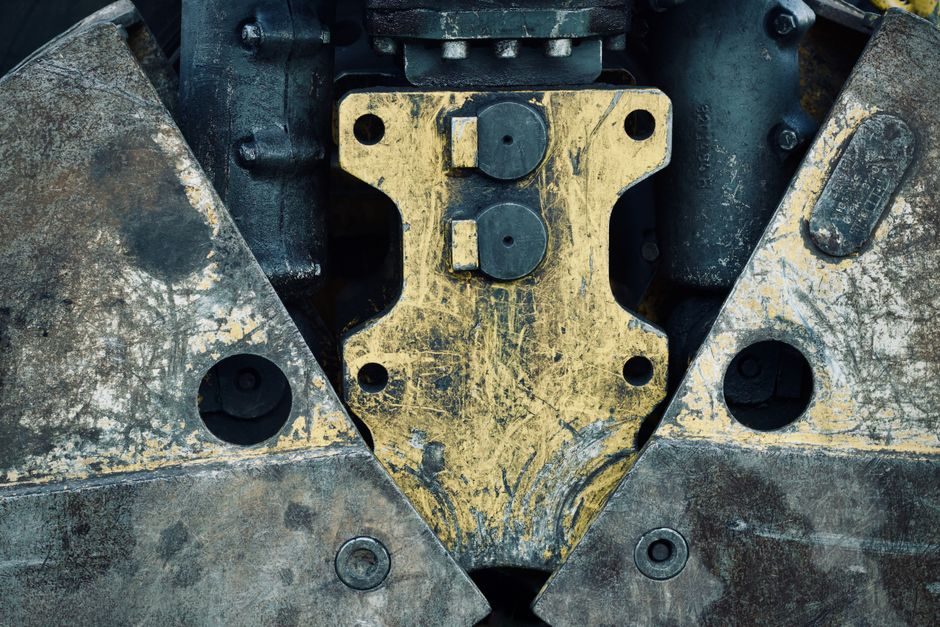
Magnesium die casting machines are classified by chamber design, clamping force, and alloy feed strategy, with cold-chamber units at 250T to 1600T clamping force dominating magnesium part production as of 2026 [S8].
At 1.8 g/cm³ magnesium is the lightest structural metal, making it a deliberate target for thin-wall automotive and electronics castings where cold-chamber injection and high-purity alloys such as AZ91D and AM-series are standard [S1].
Chamber Architecture: Hot vs Cold
Cold-chamber die casting is the default architecture for magnesium production, with merchant cell line-ups such as 250T/2 sets, 500T/2 sets, 1200T/2 sets, and 1600T/2 sets operating in parallel for automotive part runs [S8].
The cold-chamber principle — melt poured into an injection sleeve external to the furnace — is also the architecture used by general cold-chamber die casting machines, where magnesium, aluminum, and copper variants share the same platform but differ in shot weight, sleeve material, and protective gas blanketing [S2].
Clamping Force and Machine Class
Production magnesium cells are typically classified by clamping tonnage in 250T steps, with 250T, 500T, 1200T, and 1600T being the most common line-up reported by Chinese tier-one casters [S8].
Within a magnesium die casting machine class, the dominant differentiator is accumulator size and injection speed: large accumulators with high-precision electric proportional valves hold pressure drop to a minimum, sustain high injection repetition, and deliver the fast ramp pressure that thin-wall magnesium geometry demands [S2].
Alloy Families and Material Window
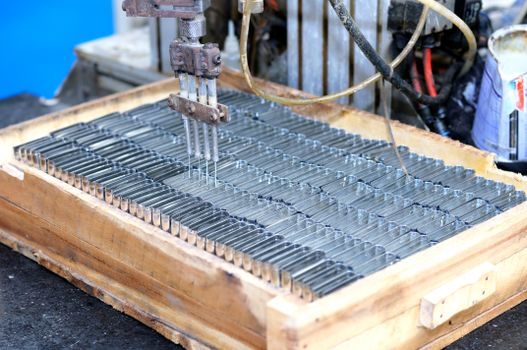
Standard die-cast magnesium alloys AZ91D, AM50, and AM60 dominate production cells, while Mg-Al-RE grades with rare-earth additions are used where elevated-temperature creep resistance and grain-boundary stabilisation are required [S1][S6].
Rare-earth elements control microstructure through solid-solution strengthening and second-phase pinning at grain boundaries, directly raising elevated-temperature mechanical strength and creep performance of the die-cast part [S6].
Process Comparison: Mg vs Al vs Zn on a Cold-Chamber Cell
On the same cold-chamber platform, magnesium and aluminum share the high-pressure injection path while zinc uses the lower-tonnage hot-chamber branch — a distinction documented across the Lanson product line and in general die casting machine classifications [S2].
For reference, a typical multi-alloy cell quotes aluminum castings at 5 g to 2500 g per part, zinc castings at 2 g to 5000 g, with magnesium occupying the low-density / thin-wall niche that the aluminum die casting machine class only partially overlaps [S3].
Process-Mode Variants: Thixomolding and Semi-Solid

Beyond conventional cold-chamber high-pressure die casting, thixomolding injects semi-solid magnesium slurry at lower temperatures than fully molten feed, reducing melt reactivity and enabling finer microstructures in safety-relevant parts [S8].
Thixomolding-style cells sit alongside classic cold-chamber units in the Chinese supply base, and the same caster can quote both modes for the same alloy system depending on part geometry and tonnage required [S8].
Control System and Hydraulic Architecture
Modern magnesium cold-chamber cells standardise on Siemens PLC control with non-contact injection stroke detection, real-time closed-loop pressure/velocity profiling, and high-performance low-noise hydraulic pumps for stable flow [S2].
Toggle clamp units with widened platen hinge ears, integrated box-type platens, and patented high-tensile alloy tie bars are the prevailing mechanical design pattern for the 500T-and-up magnesium cells, with die-height adjustment enlarged to accept larger magnesium dies than legacy aluminum tooling [S2].
Selection Criteria and Sourcing Boundary
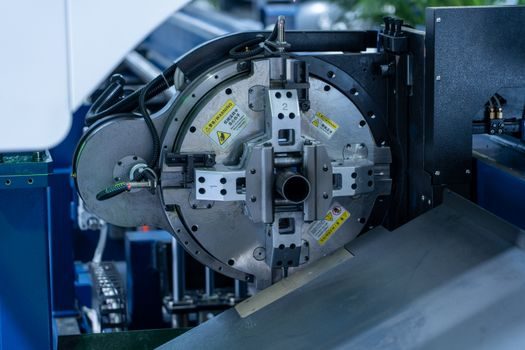
For automotive structural parts in AZ91D or AM60, cold-chamber 800T to 1600T cells with thixomolding option are the working baseline; for small electronics housings under 200 mm, 250T to 500T cold-chamber units remain the cost-effective answer [S1][S8].
For engineers cross-shopping the die casting machine family, magnesium-specific cells diverge from aluminum and zinc on three decisions: protective gas blanketing of the melt, sleeve and plunger material selection to resist iron-magnesium reaction, and shot weight calibration to the lower mass of magnesium per unit volume [S2][S3].
Failure Modes and Operating Constraints
The binding constraints on a magnesium cell are melt oxidation, iron pickup from the sleeve, and thermal fatigue of the die — mitigated in production by SF6/N2 cover gas, low-iron ferrous sleeves, and the lower pouring temperature that magnesium allows relative to aluminum [S1].
Newer high-purity alloys such as low-Fe AZ91D variants deliver corrosion performance that can exceed carbon steel and certain aluminum alloys, and that purity control is now a baseline sourcing requirement rather than a premium upgrade [S1].
Trackable signals for buyers over the next sourcing cycle: published tonnage and shot-weight data for cold-chamber magnesium cells above 1200T, and the spread of thixomolding options offered alongside classic cold-chamber units at the same caster.
See also our earlier report, Function Generator Price and Cost Guide: 2026 Bands, Drivers, TCO.