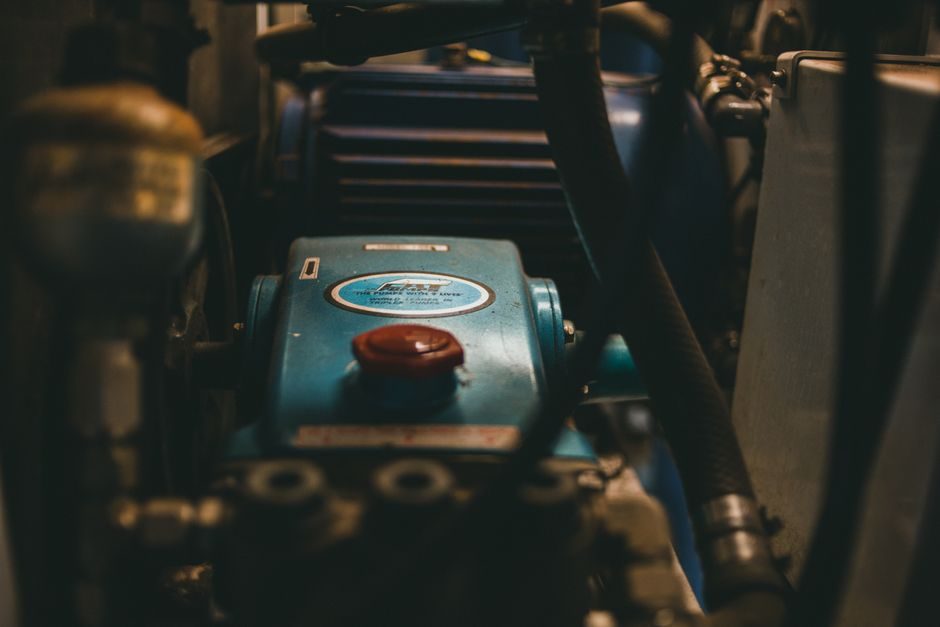
A magnetic-drive pump's thermal envelope is fixed by the weakest of four components: the neodymium-iron-boron (NdFeB) or samarium-cobalt (SmCo) magnet array, the silicon-carbide (SiC) thrust bearing, the metallic or fluoropolymer containment can, and the O-ring/static seal stack [S1][S4].
Field data from an ISO 9001-2008-certified Texas manufacturer (Magnatex) shows API 685 magnetic-drive centrifugal units rated for fluid temperatures from -112 °F (-80 °C) to 660 °F (349 °C) when fitted with SmCo magnets and SiC or SiC-X bearings, at working pressures of 170 or 225 psig [S4]. For a deeper look at the containment-shell principle behind a magnetic-drive pump, the encyclopedia entry covers the no-mechanical-seal architecture that drives every thermal-limit decision.
Thermal Envelope: Magnet, Bearing, and Can Stack
Three temperature gates decide whether a given magnetic-drive pump can carry a specified thermal load, and all three must clear the process fluid's peak temperature with margin [S1][S4].
First, the magnet alloy. SmCo retains magnetism up to roughly 300-350 °C continuous; standard NdFeB is derated above 80-150 °C depending on grade, so any hot-service specification above ~150 °C should require explicit SmCo or samarium-cobalt confirmation in the OEM data sheet. Second, the bearing. Magnatex specifies SiC or SiC-X thrust bearings on its API 685 line, which hold dimensional stability and wear life across the full -80 °C to +349 °C window when the can is properly cooled [S4]. Third, the containment can. ETFE, PTFE, or PVDF fluoropolymer liners cap out around 150-200 °C; metallic (Hastelloy, titanium, 316L) cans push the ceiling to the bearing/magnet limit. The Chinese CQA-type magnetic-drive petrochemical process pump family is built around this metallic-can envelope and is widely specified for hot acid and hydrocarbon transfer.
Power, Flow, and the Misleading "Pump Size" Match
Specifying a magnetic pump by horsepower or flow alone is a common procurement error, because thermal load does not correlate linearly with motor power [S1][S2][S3].
Comparative listing data shows the scale of the spread: a VAGUES SERVICES stationary titanium magnetic-drive pump is rated at 1,400 W (1.9 hp) with a maximum operating temperature of 300 °C and an 8 kg alloy capacity, dimensioned 195 × 195 × 355 mm for electronics-brazing and tinning duty [S1]. At the small end, 110 V corrosion-resistant plastic magnetic-drive pumps with 3/4 in inlet/outlet are sold for under US $200 new, but their fluoropolymer can typically caps continuous fluid temperature at ~60-90 °C [S3]. Mid-range 65 W magnetic-drive pumps with 3/4 in ports and 700 gal/h flow are aimed at light water/laboratory circulation where thermal load is negligible [S2]. At the heavy end, the Magnatex MPL line reaches 340 GPM at 400 ft head with up to 20 hp per stage, on 150# RF or optional 300# RF flanges [S4]. If your process exceeds the can's polymer rating, no amount of flow capacity will save the seal.
Materials of Construction vs Service Fluid
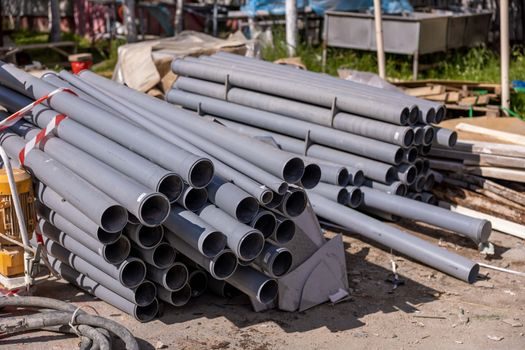
Containment-shell and wetted-parts material must be cross-checked against the process fluid, not just the temperature number [S1][S4].
Titanium wetted parts (VAGUES SERVICES unit) suit aggressive chloride and brazing-flux service at up to 300 °C [S1]. Magnatex lists Hastelloy, stainless, alloy, and fluoropolymer-lined options explicitly for hydrochloric, sulfuric, nitric, hydrofluoric, bromine, chlorine, and halogenated streams, plus heat-transfer fluids, ethylene glycol, and propylene glycol [S4]. For low-temperature hydrocarbon or LNG-adjacent service, the -112 °F (-80 °C) lower bound of the Magnatex specification requires austenitic stainless or alloy can metallurgy with low-temperature impact certification per ASME B31.3, not carbon steel. SmCo magnets and metallic cans are mandatory for any service above ~150 °C; the bench-top plastic pumps listed at US $195-200 are out-of-frame for hot oils, thermal fluid loops, or chlorinated solvents regardless of voltage rating [S3].
Decision Map: When Magnetic-Drive Fits the Thermal Load
A magnetic-drive pump is the correct specification when zero-leakage is mandatory and the thermal envelope is documented; it is the wrong specification when the fluid contains abrasive particles that erode the SiC bearing or when the duty exceeds 350 °C continuous. [S1]
Use the four-gate check: (1) fluid peak temperature below the can/magnet ceiling with at least 20 °C margin; (2) bearing material SiC or SiC-X for hot or low-lubricity service; (3) flange class matched to working pressure (150# RF for 170 psig, 300# RF for 225 psig per Magnatex guidance) [S4]; (4) wetted metallurgy compatible with the chemistry per a published corrosion table, not a generic "stainless" label. If any gate fails, the next step is a canned-motor or mechanical-seal pump, not a "bigger" magnetic-drive unit. The thermal relay encyclopedia entry explains how motor-overload protection interacts with magnetic-pump heat soak-back during stalled-flow conditions, an integration pitfall that passes a datasheet check but trips on site. For a broader spec-decision framework, see the Smart Meter Selection Criteria: Five-Gate Spec Map for 2026 piece, which uses the same gate-by-gate matching logic on a different equipment class. Engineers integrating magnetic pumps into PLC-controlled skids should also confirm the electronic load behaviour of the VFD stage, since hot-can heat rejection at low flow rates is the most common field-failure mode.
Failure Modes That Pass the Datasheet
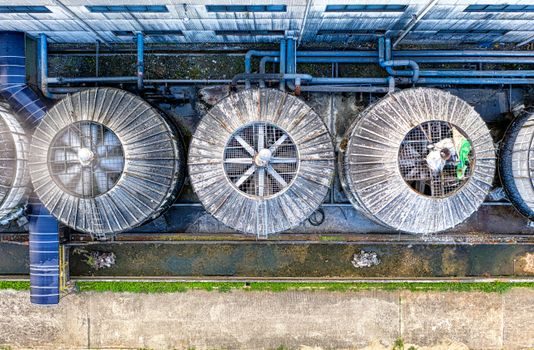
Three failure modes routinely clear the OEM data sheet but fail after 200-2,000 hours of service, and all three are thermal in origin [S1][S4].
First, magnet demagnetisation from sustained operation above the magnet's Curie-derated ceiling, even if the can and bearing are rated higher. Second, dry-running bearing glaze: SiC bearings need a minimum thermal-fluid film; a starved bearing at 250 °C will micro-fracture within hours, even though static pressure rating is intact. Third, can fatigue at elevated temperature with cyclic pressure: a 300# RF flange at 225 psig and 300 °C has a finite creep life that the static pressure rating does not capture. Mitigation in each case is a thermal-relay trip on can temperature, a minimum-flow orifice, and a published creep-life curve from the OEM. Without those three controls, the pump is underspecified for the actual thermal load.
Next verification node: request the OEM's published derating curve for magnet flux versus fluid temperature, the SiC-bearing minimum-flow number in GPM, and the can-creep curve at the design flange class. Track whether the next API 685 revision tightens the 660 °F upper limit or re-classifies the SmCo magnet grade; cross-check against ISO 5198 / ISO 9905 for centrifugal thermal-service testing, and against ASME B73.1 for the metallic-can dimension envelope.