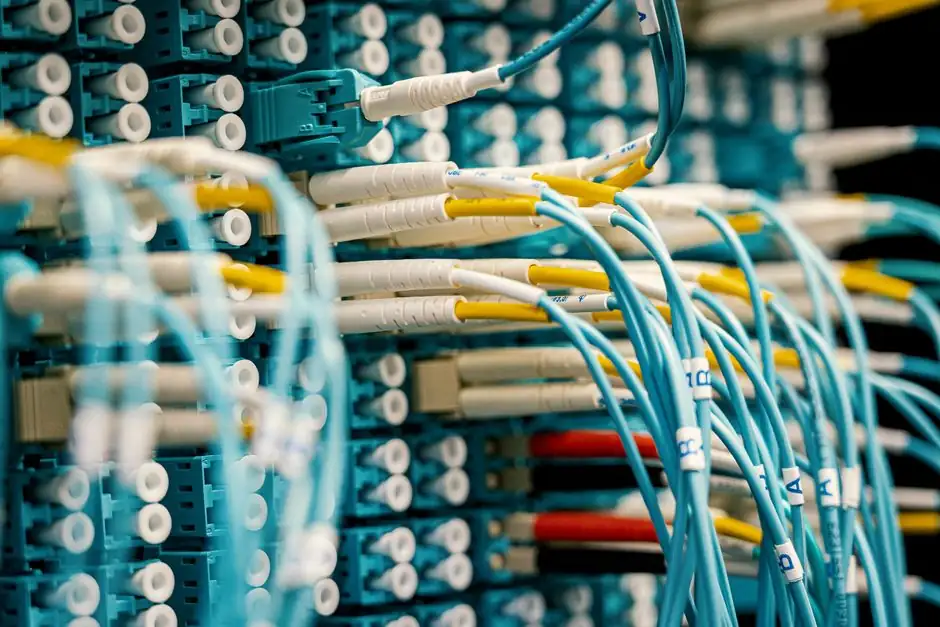
For industrial connectors and cable assemblies, OEM means the customer owns the complete 2D/3D drawings, BOM, mold scheme, salt-spray test standard, and IP; the factory only molds, crimps, and applies the buyer's brand [S4]. ODM means the customer only states demand parameters such as M12 8-pin, IP67/IP68, double shielding, oil-resistant cable, and the factory selects terminals, shell structure, cable spec, shielding treatment, injection mold, and waterproof structure from its mature library [S4].
The label on the RFQ matters less than the contract scope, since contract manufacturing, OEM, and ODM are routinely conflated by the same supplier, with one factory potentially running all three models on the same SMT line [S5]. For buyers sourcing M-series, circular industrial, or wiring-harness connectors, the right answer depends on who funds the mold, who owns the waterproof and shielding drawings, and whether the project can absorb a 3-7 day sample window or a full tooling cycle [S4].
OEM vs ODM: What Each Side Actually Delivers
OEM work for connectors and harnesses starts from a sealed drawing package: housing 3D model, terminal layout, waterproof groove geometry, shielded cable type, crimp cross-section, tensile injection structure, salt-spray limits, and high-low temperature test plan [S4]. The factory's deliverables are mold fabrication, material purchase, production assembly, testing, and private-label packaging, and the customer funds the mold cost in full, with the resulting part exclusive to that single customer and unobtainable by other parties at the same structure [S4].
ODM work starts from a parameter list: voltage, current, core count, ingress rating (commonly IP67 or IP68), mating equipment, temperature range, shielding class, and cable length, and the factory's deliverables include terminal selection, shell design, cable spec, shielding treatment, injection mold, crimp process, waterproof structure, and a matching test plan [S4]. The ODM factory retains core design IP and can supply the same base connector to multiple customers with only logo, length, and silkscreen changes, which is why a 3-7 day sample cycle is realistic on its mature M12 mold library [S4]. Buyers should treat the difference as an IP and tooling question, not a vocabulary one, because contract manufacturing, OEM, and ODM can all sit under the same roof and the label in a brochure is not the same as the line-by-line scope in a PO [S5].
Cost, MOQ, and Lead-Time by Model
OEM projects carry higher upfront mold and R&D spend and become uneconomical below the volume threshold that amortizes that tooling, which is the OEM disadvantage most often cited by harness buyers [S4]. ODM projects share the platform and the mold cost across many customers, so a 2-meter M12 8-pin shielded lead can reach sample in 3-7 days and ramp to volume without a buyer-funded mold, and the same base connector can be sold to 10 different traders under different logos [S4].
Adjacent categories show the same pattern: a blind-motor ODM with a unique low-volume connector can carry a tighter MOQ than an OEM project that uses common off-the-shelf parts, because the ODM MOQ is set by the platform's existing BOM while the OEM MOQ is set by the buyer's dedicated tooling [S1]. For low-voltage power-supply builds, a full-service AC adapter OEM/ODM shop will often "match-or-improve" an existing OEM spec to shorten the development loop, which again reflects ODM's lower marginal engineering cost [S2]. The trade is not free: in ODM, exclusivity of the core design is lost, so competitors can buy the same base part with their own logo, while OEM buyers keep the IP, mold, and exclusive supply fully inside their own asset register [S4].
Selection Criteria: Who Should Pick Which
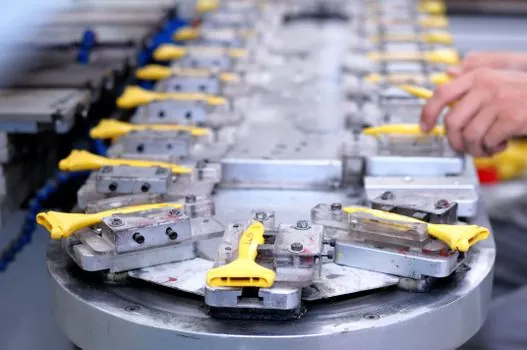
OEM is the right model when the equipment builder must own the connector housing, the waterproof groove, and the shielded-crimp drawings because the system is safety-critical, IP-sensitive, or branded; the OEM example case study cited an integrated automation builder who kept every drawing internal and funded the mold entirely [S4]. ODM is the right model when the application can use a standard M12 or similar industrial format, when speed beats exclusivity, and when the buyer's engineering team is small or non-existent, because the ODM scope explicitly says the customer does not need its own R&D engineers [S4].
A practical rule repeated across adjacent OEM/ODM guides: start ODM to validate demand, then migrate to OEM once the commercial and technical case is proven, since moving the other direction is painful once tooling and certifications are sunk [S1]. Brand owners who already hold a finished tech pack and sealed sample should stay on OEM execution, because OEM "works when the spec is complete and breaks when the brand assumes a factory will quietly finish development it never agreed to do" [S3]. When comparing connector-manufacturing quality systems, buyers should also check the supplier's quality framework, because the same connector can be QA-managed under very different regimes, as detailed in this connector manufacturing quality standards overview.
Comparison Table: OEM vs ODM on 4 Buyer Criteria
On IP ownership, OEM gives the buyer exclusive rights to drawings, mold, and structure, while ODM keeps core design IP with the factory and lets the same base design ship to multiple customers [S4]. On tooling cost, OEM requires the buyer to fund the mold and tooling in full, while ODM shares the platform mold across many buyers, so per-project tooling spend is near zero on a mature part number [S4]. On sample lead time, an ODM sample on a stock M12 platform can be ready in 3-7 days because no new mold is opened, while OEM samples depend on mold fabrication and may run multiple weeks even before validation [S4]. On exclusivity, OEM output is unobtainable by other parties at the same structure, while ODM output can ship to 10 different traders with only logo, length, and silkscreen changes [S4].
The same four-axis logic (IP, tooling, lead time, exclusivity) lines up with what buyers see in non-connector OEM/ODM decisions, where the model that wins is the one whose scope matches what the buyer's team can actually fund and own [S1]. Engineering teams that already have a stable spec, sealing concept, and shielding plan should default to OEM; teams that only have a target voltage, current, IP rating, and mating standard should default to ODM and accept that they are buying a configuration slot on someone else's platform [S4].
Real Use Cases and Failure Modes
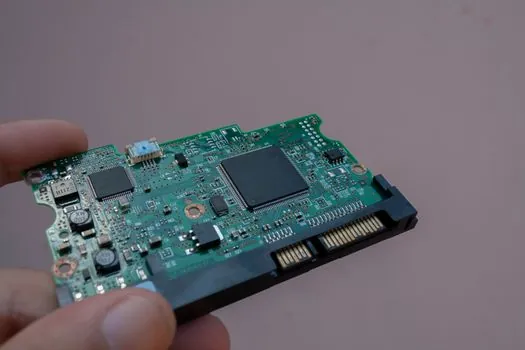
An integrated automation equipment OEM is the textbook OEM case: the in-house team drew the 3D housing, set the terminal layout, defined the shielded cable, crimp section, tensile injection, and the salt-spray plus high-low temperature test plan, and the harness factory executed production only, with mold cost covered by the client and the part exclusive to that one client [S4]. An export industrial-control components trader is the textbook ODM case: the trader asked for an M12 8-pin male straight connector, IP67, double shielding, 2 m cable, oil-resistant jacket, and a custom logo, and the factory shipped samples in 3-7 days off a standard M12 mold and now sells the same base connector to 10 different traders with only logo and length changed [S4].
The recurring failure mode in ODM is buyers who think they bought exclusivity, because the ODM scope explicitly states the design IP stays with the manufacturer and the same connector can ship to competitors under a different logo [S4]. The recurring failure mode in OEM is a thin spec: when the brand assumes the factory "will quietly finish development it never agreed to do," scope creep eats the development budget, and the ODM/OEM boundary turns into a dispute over who owns the changes [S3]. A third trap is treating "ODM" as a synonym for private label, which is a common misuse in generic manufacturing; in development-led categories the same word can mean the manufacturer develops the buyer's design IP from a sketch, which is a different commercial relationship [S3]. Where the buyer's spec is the limiting factor, the project should also be cross-checked against the broader Industry 4.0 spec shift in connector manufacturing, because high-voltage and contactless variants change the shielding, creepage, and material decisions that originally justified an OEM build.
Standards and Sourcing Notes
Industrial connector sourcing should still be checked against the relevant ingress and shielding standards, since the ODM spec is normally quoted as IP67 or IP68 with double shielding and oil-resistant cable for industrial control cabinets [S4]. For OEM builds, salt-spray and high-low temperature test limits are part of the buyer's drawing package, and the factory's job is to execute them, not to define them, which means the buyer must set the test plan before RFQ [S4]. Adjacent manufacturing guides also flag that the same supplier can be contract manufacturer, OEM, and ODM in parallel, and the only reliable way to keep the scope clean is to list the deliverables, the IP line, and the post-mass-production ownership in the contract, not to rely on the brochure label [S5][S6].
Closing signal: track two items in any 2026 connector RFQ, the IP line on waterproof and shielding drawings, and the mold-funding clause; if either is missing, the OEM/ODM question is still open regardless of what the supplier's marketing page says [S4].
For the relevant spec sheets and selection criteria, see additive manufacturing material, pressure transmitter, and flow meter.