
Grand View Research sized the global petrochemicals market at USD 641.01 billion in 2024 and projected it to reach USD 973.10 billion by 2030, a 7.3% CAGR over 2025-2030 [S1].
The product mix in that series runs across ethylene, propylene, butadiene, benzene, xylene, toluene and methanol, with regional coverage split into North America, Europe, Asia Pacific, Latin America and the Middle East [S1]. The Business Research Company’s January 2026 release tracks the same market through 2035, signalling that 2026 is being treated as the baseline year for the next planning cycle [S2].
Product Slate: Olefins and Aromatics Set the Volume
Ethylene and propylene remain the largest swing products in the 2025-2030 build, because cracker capacity additions are tied to polyethylene, polypropylene and downstream derivatives rather than to direct consumer demand [S1].
On the aromatics side, benzene, xylene and toluene are tracked as a single segment in the Grand View series, while methanol is separated out as its own product line because of its scale as a C1 feedstock for olefins, MTBE and acetic acid [S1]. IndustryArc’s 2021-2026 update pegs a US$575.1 billion market reading, which lines up within the same order of magnitude as the Grand View 2024 base and reflects vendor-specific scope differences rather than a true contradiction [S6]. For process engineers scoping 2026 instrumentation budgets, the relevant figure is not the absolute dollar base but which sub-product is driving the next 18-24 months of pressure transmitter and flow meter orders.
Regional Tempo: Asia Pacific Leads, North America and Middle East Follow
Asia Pacific is the largest regional block in both the 2025-2030 Grand View series and the 2021-2026 IndustryArc series, on the back of Chinese and Indian capacity additions and integrated refinery-petrochemical complexes in coastal provinces [S1][S6].
North America and the Middle East act as the swing regions, where ethane-rich gas feeds and integrated downstream chains shift the cost curve for ethylene and downstream polyolefins [S1]. For EPC firms sizing 2026 valve and instrument packages, the industrial valve and transmitter demand follows the same regional gradient, with Asia Pacific project awards setting the volume floor.
2026 Reading: Where the Forecasts Converge
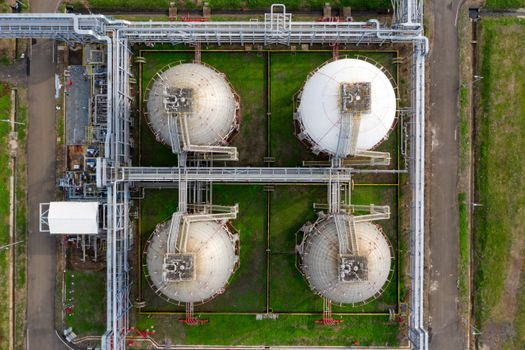
The Business Research Company’s January 2026 petrochemicals report is the most explicit 2026 baseline in the available material, published in 150-page PDF format with a 2-3 business day delivery window, indicating that 2026 figures are being recalculated against a new data cut [S2].
IndustryArc’s 2021-2026 series terminates on a 2026 endpoint and uses 263 pages of PDF + Excel delivery, reflecting a deeper drill-down by sub-product than the broader Grand View and TBRC releases [S6]. For a process engineer, the practical takeaway is that 2026 should be read as the last full overlap year across all three reports, after which the Grand View 7.3% CAGR through 2030 takes over as the dominant growth signal [S1][S2][S6].
Adjacent Data Cuts: Chemicals and Polycarboxylate as Cross-Checks
The Business Research Company’s January 2026 chemicals market report covers the same upstream-demand pool at a different cut, segmented by general chemical product, printing inks, soap and cleaning compounds, adhesives, paints and coatings, pesticide and agricultural chemicals, synthetic rubber and fibres, and other types. This wider chemicals aggregate is the envelope inside which the petrochemicals series sits, and the fact that both reports released in the same January 2026 window suggests a coordinated baseline update. [S1]
Downstream, the polycarboxylate ether (PCE) market was valued at USD 16,086 million in 2026 and is forecast to reach USD 25,808 million by 2033 at a 7.01% CAGR, with the liquid PCE segment holding 72% share and infrastructure applications leading at 43.5% share in 2026.
Selection Criteria for 2026 Capacity Sourcing
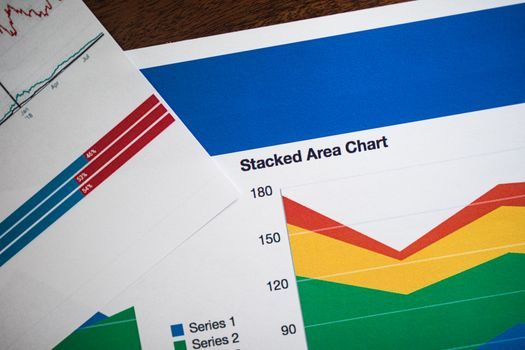
The reports give a 2 x 2 selection grid for 2026 capacity planning: pick by product (olefins vs aromatics vs methanol) and pick by region (Asia Pacific, North America, Middle East, Europe, Latin America). [S2]
Inside that grid, the decision drivers are feedstock access (ethane, naphtha, coal-to-olefins), downstream derivative mix, regional logistics cost, and exposure to decarbonisation regulation. Grand View flags the rising demand for downstream derivatives as the primary growth driver, while IndustryArc emphasises the 2021-2026 endpoint to underline that 2026 is the last year of the older forecast band [S1][S6]. For a 2026 buy-side decision, the practical gate is whether a project is sized against the 7.3% CAGR band or against a regional-segment figure inside the 263-page IndustryArc drill-down.
Limitations and Reading Discipline
The Grand View, IndustryArc and TBRC reports cover overlapping but non-identical product baskets, which is why a USD 641.01 billion 2024 base [S1] can coexist with a US$575.1 billion forecast reading [S6] without one being wrong.
These are paid syndicated reports with 3-month analyst support windows and 24-72 hour email delivery, not real-time data feeds, so a 2026 baseline reading shifts as vendor updates land [S2][S6]. Forecasts also depend on oil-price assumptions, regulatory timing and the speed of Chinese capacity additions, none of which the available excerpts pin down to a specific number, so a sourcing decision should be cross-checked against the underlying feed assumptions in the full reports, not just the headline figure. For 2026 instrument and valve scoping, the safer anchor is the 7.3% CAGR through 2030 [S1] combined with the regional gradient, not the absolute dollar reading, because the absolute reading moves with every data cut while the growth band has been stable across the 2025-2030 series.
Implications for Process Instrumentation
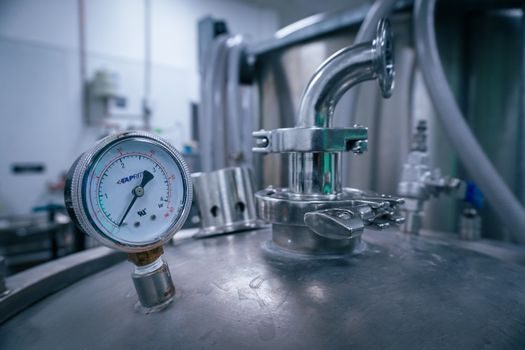
For a 2026 instrumentation budget tied to a petrochemical project, the forecast band points to roughly 7% annual growth in downstream-control demand, which translates into a matching growth envelope for pressure transmitter, flow meter and industrial valve packages on new cracker and methanol builds. [S3]
Because Asia Pacific is the largest regional block in both Grand View and IndustryArc, the highest incremental instrumentation volume sits there, with North America and the Middle East as the next tier. The Servo Motor 2026 Buying Guide on the spec, bus, IP and gearbox gates and the Diaphragm Valve Price & Cost Guide 2026 sit on the same 2026 sourcing cycle, and both reference the same upstream-demand signal from the petrochemical and chemicals reports.
Trackable signals for the next 90 days: the next release of the Business Research Company 2026 chemicals baseline (same January 2026 cohort), any revision to the Grand View 2025-2030 base year, and the next IndustryArc mid-cycle update against its 2021-2026 endpoint. Watch the Asia Pacific project award cycle for the first read on whether the 7.3% CAGR band [S1] holds or slips into 2027.