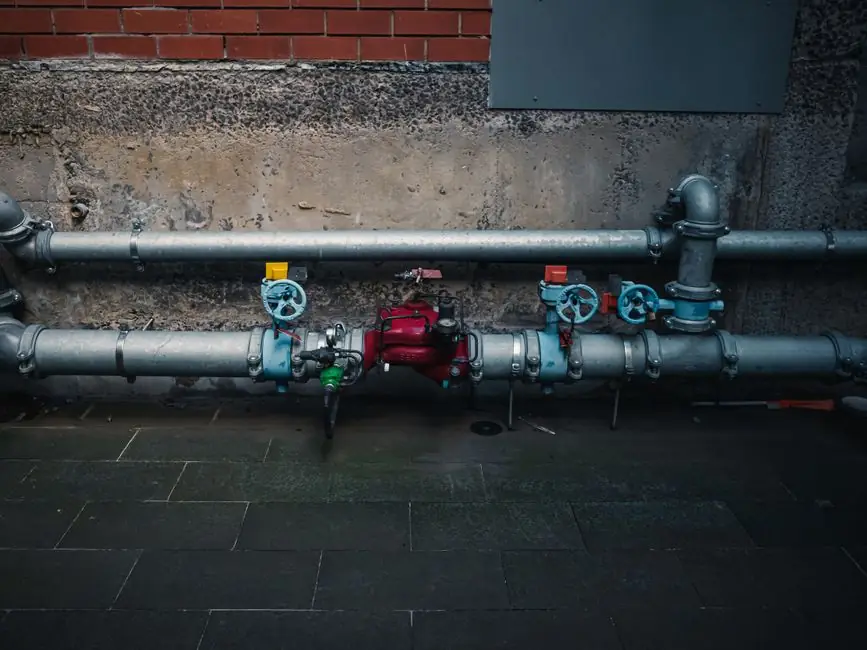
Irrigation plug valves are selected primarily for flow capacity, debris tolerance, operating pressure, and actuation duty, not for maximum pressure rating alone [S1].
The practical scope covers manual, automated, regulating, and isolation duties across mainlines, zone manifolds, filtration, and pump-discharge piping.
Define the valve duty before comparing designs
A plug valve uses a movable plug to open, close, or throttle the flow path. The basic plug valve is a quarter-turn isolation device, while an eccentric plug valve uses an offset plug geometry for tighter shutoff and higher-duty sealing. In irrigation, these valves may perform several distinct functions. [S2]
A manual plug valve normally isolates a mainline or zone during maintenance. An automated on-off valve opens and closes under controller command. A regulating plug valve holds or changes pressure or flow, while a check-type plug prevents reverse movement. These are not interchangeable: a full-port isolation valve has no reason to carry a pressure-regulating diaphragm or solenoid coil.
For reference, a globe control valve moves a stem-linked plug relative to its seat, making it more naturally suited to continuous regulation [S7]. Irrigation systems commonly divide lawns and shrubs, sunny and shaded areas, spray heads and rotors, and drip and sprinkler zones because those zones have different pressure and flow requirements [S5].
Match hydraulic demand to the plug configuration
Irrigation water from wells, ponds, and canals may contain sand, silt, algae, fertilizer residue, and organic debris [S1]. A valve selected only by nominal pipe size can create excessive pressure loss, insufficient low-flow force to operate a solenoid, or loss of control authority when oversized [S1].
The comparison hinges on four measurable criteria: pressure loss at design flow, shutoff leakage, allowable contamination, and operating frequency. Full-port ball valves are marketed for minimal flow restriction, while threaded and socket construction supports different piping systems [S3]. The same low-restriction concept applies when evaluating a plug valve with a straight-through bore, but equivalent test data must be obtained rather than inferred from the port description.
Use pressure and flow data as the selection gate
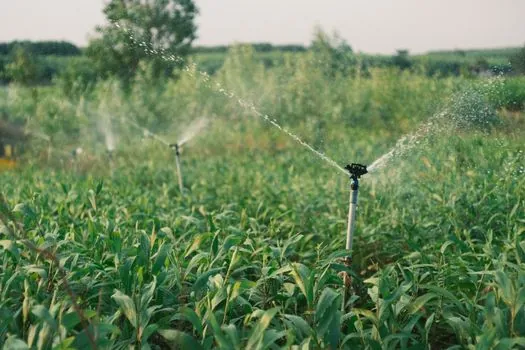
Pressure range must cover the valve's actual operating point rather than a generic system maximum. The Nelson 800 Series is a hydraulically operated sleeve-type control valve that can be equipped with options for controlling pressure and flow [S2].
These bands are product-specific selection data, not universal limits for every plug valve. They nevertheless show why an irrigator must identify the minimum opening pressure, normal operating pressure, maximum surge pressure, and required downstream pressure before choosing an actuator or regulator.
Flow also needs an engineering margin based on actual demand. The Nelson 800 Series can be equipped with Model D18 rate-of-flow control to regulate the flow rate during system startup [S2]. These ranges belong to a hydraulically operated sleeve valve, not a generic plug valve, but they provide the correct sizing method: calculate required flow, compare it with published valve capacity, and verify pressure loss at that flow.
Do not select from pipe diameter alone. Excess pressure drop limits downstream coverage, low flow can prevent solenoid operation, and an oversized control valve can lose useful modulation authority [S1]. Obtain the manufacturer's flow-capacity and pressure-loss curve and use irrigation-system flow, not rated pump capacity, as the design point.
Choose materials and connections for outdoor water
Irrigation valves face ultraviolet exposure, temperature variation, fertilizer, treated water, soil contact, and outdoor installation conditions [S1]. Plug-valve body options include cast iron, stainless steel, and other materials selected for corrosion and temperature service [S8]. Cast iron provides a robust pressure-containing body, while stainless steel trim and wetted parts can address corrosive water or fertilizer exposure.
Internal materials deserve separate review. A natural-rubber sleeve, for example, can provide an agricultural sealing surface, but rubber compatibility and life depend on water chemistry and temperature [S2]. The same guide lists cast iron, aluminum, and galvanized-steel construction options, with anodized aluminum and galvanized steel used for selected large housings [S2].
Match the valve material to the pipe and medium. PVC is identified for chemical or treated irrigation water, while brass is used for higher-pressure and higher-temperature applications [S3]. Connection style must also be compatible with the system: available irrigation ball-valve configurations include threaded, socket, and lockable arrangements [S3]. A flange, threaded, or grooved plug valve should be specified only where its published pressure rating, face-to-face dimensions, and bolting match the line and isolation method.
For automated zones, the enclosure and solenoid must suit outdoor service and the available voltage. The irrigation buying guide describes a controller energizing a solenoid to relieve bonnet-chamber pressure, allowing inlet pressure to open a diaphragm valve [S5]. That arrangement requires adequate operating pressure and a clean dump path, so a plug design with an integrated pilot must not be treated as a direct drop-in replacement without actuator and control verification.
Separate isolation, regulation, and backflow functions
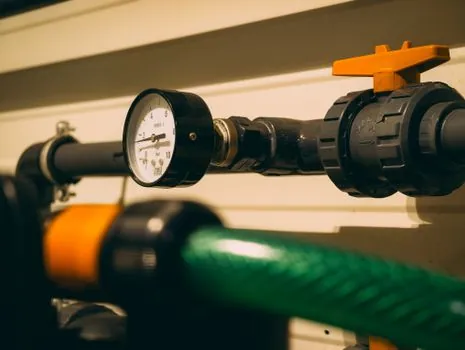
Mainline and zone isolation is a recurring plug-valve application, but a plug valve does not automatically provide pressure regulation, debris filtration, or backflow prevention. Irrigation ball valves are used for flow control, zoning, isolation, pressure regulation, automated operation, and emergency shutoff, but these functions may require different accessories or valve designs [S3].
Pressure-reducing and pressure-sustaining functions require a regulating element with an adjustable range. The Nelson 800 Series uses a pressure-control regulator to position a sleeve during operation and provides a shuttle-check option, D07, for separate check performance [S2]. The listed pressure-control ranges include 5–50 psi, 10–120 psi, and 25–200 psi for reducing or sustaining duties, subject to the applicable valve size [S2].
Backflow protection is a separate design problem. An anti-siphon valve is identified as the clear choice for a system requiring anti-siphon performance, but local backflow requirements must still be checked [S5]. Backflow preventers, filters, and pressure regulators are generally recommended after zone valves so they are not subjected to constant system pressure [S5].
Use an air-release valve where trapped air must be released from a pressurized irrigation main. An automatic recirculation valve serves systems that require automatic return flow, while an axial-flow check valve provides reverse-flow isolation when its flow and pressure ratings fit. These components should be specified as separate functions unless the selected plug valve manufacturer explicitly supplies an integrated arrangement.
Match construction to frequency and contamination
Valves that move only a few times per season have a different duty profile from valves cycling hourly [S1]. Manual isolation valves can use a robust quarter-turn plug, but automated valves must also tolerate repeated stem travel, solenoid heat, pressure surges, and the torque required to move contaminated plug surfaces.
Debris tolerance should be judged by three measurable features: minimum internal clearance, seat geometry, and stem or plug sealing arrangement. Tight clearances perform poorly with sand, silt, algae, or organic matter and may cause a valve to stick open or closed, prevent a solenoid from seating, or make a check valve chatter or leak [S1]. Eccentric seating can improve closure when the plug contacts the seat before the stem region, but it does not eliminate the need to control debris upstream.
Where contamination is expected, use an accessible filter or strainer ahead of the valve and establish a cleaning interval. An internal-filter option exists in the Nelson 800 Series, but the rubber drain or plug does not include a ball drain or vent kit [S2]. Installation access matters as much as filtration: irrigation valves should be installed where they can be operated, inspected, and serviced [S3].
For repeated on-off automation, evaluate cycle life, actuator voltage, minimum operating differential pressure, seat leakage, and whether the actuator can be serviced without removing the valve body. For infrequent manual isolation, prioritize full-bore flow, stem strength, handle lockability, and accessible end connections.
Check the procurement data sheet before ordering
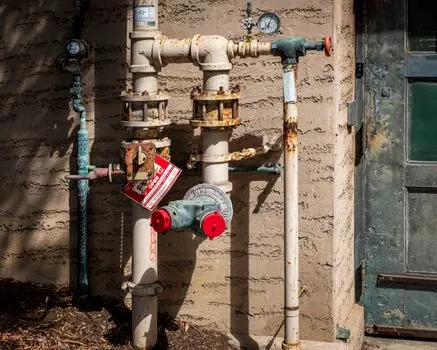
A purchase specification should state the valve type, body and trim material, size, connection method, flow direction, rated working pressure, design flow, allowable pressure loss, actuation method, electrical supply, seat leakage, temperature limits, coating, and allowable contamination. A plug valve category alone is not a procurement-complete description. [S2]
For manually operated valves, request a straight-through-bore statement if unrestricted flow is required, plus face-to-face length, stem orientation, handle or gearbox details, and lockability. For automated valves, specify on-off or modulating duty, normally open or normally closed behavior, solenoid voltage and wattage, minimum operating pressure, and the required manual override.
For regulating valves, specify the controlled variable, adjustment range, controlled pressure, required flow, and acceptable variation. Check whether the manufacturer supplies an internal filter, drain, vent, or pilot option. The 800 Series selection system divides the specification into five blocks: size, material and connections; operating pressure; pressure control; on/off control; and filter code [S2]. That level of definition prevents a nominally suitable valve from becoming a field mismatch.
For a comparable isolation-oriented design, review Butterfly Valve Selection for Irrigation Systems, especially where compact wafer construction and low weight are priorities. A plug valve remains the stronger candidate where positive seating, robust closure, and a compact quarter-turn body are more important than installation envelope.
Final selection should follow four checks: confirm calculated flow and pressure loss, verify material compatibility, confirm actuator or control requirements, and establish debris filtration plus maintenance access. The shortlist should include only valves whose published data cover the complete operating point, not merely the pipe diameter.