
A slewing drive is a worm gear reducer bolted to a slewing ring bearing, producing a complete rotary axis in one housing; a worm gear reducer is a standalone right-angle speed/torque converter without an integrated bearing race. The two products overlap in worm geometry and bronze-wheel meshing, but they are not interchangeable: a slewing drive must carry tilting moment, axial and radial load from the structure above it, while a worm reducer only handles torque transmitted to its output shaft [S1][S2].
Decision-relevant numbers differ by an order of magnitude. Standalone worm reducers from mainstream Chinese OEM catalogues are quoted in the 6-6050 N.m output torque band, ratios of 10-60 single-stage and 200-900 double-stage, input power 0.12-33.2 kW, and frame sizes 40-250. Slewing drives are typically selected by axial/radial load and tilting moment (e.g. 17-inch double-worm mining units in the US$250-900 range), with a separate torque rating that is much higher because the gear mesh is sized for the full overturning load, not just drive torque [S4].
Definition and Functional Scope
A worm gear reducer (Worm Reducer, code prefix WP or WPDS) is a shaft-in / shaft-out gearbox using a single- or double-enveloping worm meshing with a bronze or cast-iron worm wheel, configured for right-angle power transmission. The standard product range covers single-stage ratios of 10-60 and double-stage ratios of 200-900, with input power from 0.12 kW up to 33.2 kW and output torque 6-6050 N.m across 60 series and 20000+ variants. Precision cast iron housings with quenched and ground worm profiles, e.g. the WPDS60 frame, are the typical sub-100-EUR industrial supply [S3].
A slewing drive bolts the same worm-and-wheel stage to a slewing ring bearing, so the output raceway itself becomes the rotating element. Heavy-duty industrial lines such as the PM/PH series combine worm and helical stages in a right-angle compact modular housing rated above 10 kNm of output torque, intended for shaft-mounted applications under heavy combined loads [S1]. For solar tracker duty, the worm slewing drive is the de-facto standard: Sunslew, a Jiangsu-based OEM, lists a 4000 pieces/month capacity and ships a worm drive, slewing bearing ring, reduction gearbox and slew-drive solar tracker product family from one site [S2]. Stainless-housing single-enveloping worm reducers (Cone Drive Series F Servo) extend the same worm mesh into washdown and servo applications where corrosion resistance matters more than radial load capacity [S6].
Selection Criteria: Load Type, Ratio, Mounting
Three engineering parameters decide the call: (1) what kind of load sits on the output, (2) what ratio and torque you need, and (3) how the housing bolts to the structure. Slewing drives win when the output raceway must carry axial load, radial load, and overturning moment simultaneously, because the bearing race and the gear stage are sized and machined as one part. Solar trackers, truck cranes, aerial work platforms, and small wind turbines all fall in this camp, and the buying frame for these is laid out in the Slewing Drive Buying Guide 2026 worm-gear and SE-series spec gates. Standalone worm reducers win when the output is a driven shaft supporting a separate bearing arrangement, and the structure above is not rotating with the reducer. [S1]
Ratio and torque are easier to compare on paper. A WPDS60-class unit covers the low end of industrial speed reduction at 43 EUR/pc entry price for general machinery duty [S3]. Stainless Series F Servo worm reducers from Cone Drive are selected by nominal overall ratio through a guided code, with torque-arm mount options left or right, indicating the housing is designed to react torque into a fixed bracket rather than into a slewing ring [S6]. Cone Drive Series B, sizes 02 through 11, covers a broader industrial right-angle reducer range with the same torque-arm reaction logic, again confirming the standalone-reducer pattern. A slewing drive has no torque arm: the reaction moment is carried by the bolt circle on the mounting flange, which is why flange diameter and bolt pattern are first-class selection data on a slewing drive drawing.
Who It Is For vs Who It Is Not For
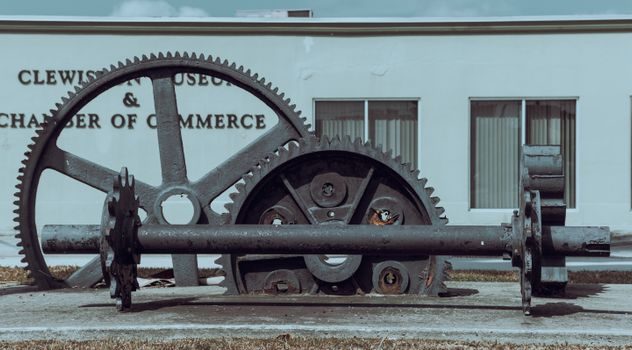
Pick a slewing drive when the rotating member is the structure itself, when the load comes from above the gearbox, and when one assembly must accept moment, axial and radial loads without a separate pillow block or slewing ring. Solar trackers, small wind turbines, man-lift booms, truck loaders, robotic turntables, and 17-inch-class mining drill rotators all map to this case [S2][S4]. The price band starts around US$28.88 per piece for a hydraulic-motor-ready SS12-grade unit on metallurgy and energy tenders [S5].
Pick a standalone worm gear reducer when the output shaft drives a separate component - a conveyor screw, a mixer agitator, a packaging line, a small winch drum - and the supporting bearings and structure are designed into the driven machine. A 0.12-33.2 kW input power range and 6-6050 N.m output torque envelope covers the vast majority of conveyor, agitator, and small hoist duties without paying for an integrated raceway. If the application rotates a continuous web, a long boom, or a heavy skid, a slewing drive is the wrong product; if the application needs a precise right-angle speed reducer with a torque arm reacting into a fixed frame, a slewing drive is over-specified and overpriced.
Options Compared on Cost, Torque, Corrosion and Lead Time
Comparing the four practical options a buyer is likely to see on a 2026 quote sheet: (1) budget cast-iron worm reducer, (2) stainless servo worm reducer, (3) double-worm slewing drive for industrial / mining duty, (4) single-worm solar-tracker slewing drive. On cost, the WPDS-class cast-iron unit lands at 43 EUR per piece with 1-piece MOQ from Chinese catalog suppliers [S3], while a 17-inch double-worm slewing drive for a large mining drill sits at US$250-900 per piece with 1-piece MOQ [S4]. Stainless servo units (Cone Drive Series F) are configured to a code, not a price-per-piece, and are typically quoted through distribution [S6].
On torque envelope, a standalone WP worm reducer is published at 6-6050 N.m output, 0.12-33.2 kW input, single-stage ratio 10-60, whereas a heavy-duty PM/PH slewing drive is published above 10 kNm output, reflecting the moment-load sizing of the integrated raceway [S1]. On corrosion, only the stainless-housing Series F Servo line is suitable for washdown or food-grade environments; cast-iron WPDS reducers need painting or a stainless sleeve, and standard slewing drives are typically carbon steel with a zinc or powder-coat finish unless the OEM quotes an SS-grade [S6]. On lead time, catalog reducers are stocked in China at 1000+ pieces/week capacity for general hardware lines, while a configured slewing drive is usually engineered to a bolt pattern, gear ratio and motor interface with 4-6 week builds at 4000 pieces/month capacity at mid-size suppliers [S2].
Real Use Cases and Failure Modes
Solar tracker: a single-axis tracker uses one worm slewing drive per row, sized by panel area, wind moment, and required hold-back torque when the panel is parked. Failure mode is backlash growth and seal leakage, not gear breakage, because the worm mesh is inherently self-locking when back-driven, which is why the worm-and-wheel pair is preferred over a planetary stage for tracker safety [S2]. Mobile crane or man-lift: a double-worm slewing drive handles the higher overturning moment from a long boom and is the typical choice in this duty, often paired with a hydraulic motor instead of an electric gearmotor [S4][S5].
Conveyor or mixer reducer: a standalone WP or WPDS reducer with torque-arm mount handles right-angle speed reduction where the driven machine carries its own bearings. Failure mode here is thermal - continuous-duty input above the nameplate kW, or a stalled agitator in heavy sludge, burns the bronze wheel. Renold's PM/PH line above 10 kNm is a reminder that the same worm-and-wheel geometry can be packaged for heavy combined loads in a right-angle modular housing, but the load is still a torque transmitted to a shaft, not a slewing moment carried by a raceway [S1]. A variable-frequency drive on the motor side is the standard way to control starting torque on both product types, with the kW and class selections covered in the Variable Speed Drive Price & Cost Guide 2026.
Limitations, Constraints and Sourcing Standards
Self-locking cuts both ways: a worm mesh will not back-drive, so a worm-type slewing drive such as the SDD7 dual-axis unit used for solar tracking can hold a parked solar panel without a brake, but worm gear drives are generally regarded as less efficient than helical or planetary alternatives. That is acceptable for a tracker that moves a few times an hour, but not for a continuously rotating mixer; in continuous-duty high-cycle service, a helical or bevel gear reducer is the better mechanical choice, and a full helical gear reducer range is laid out in the helical gear reducer encyclopedia entry. The worm-and-wheel pair is the common thread across the standalone reducer, the servo-worm reducer and the slewing drive, with the housing and bearing integration defining the product class. [S2]
For sourcing, the public catalogue data shows Chinese OEM supply concentrated in Jiangsu and Fujian, with published monthly capacities in the thousands of pieces for slewing drives and tens of thousands for general worm reducers [S2][S5]. Stainless servo and heavy industrial units are sourced from US and European OEMs (Cone Drive, Renold) through configured product codes rather than stock SKUs [S1][S6]. Buyers should treat the catalogue price-per-piece on a 17-inch mining slewing drive as a starting point only, since bolt pattern, gear ratio, motor interface and surface treatment are typically re-quoted; for a slewing ring without the worm stage, the slewing bearing encyclopedia entry is the correct starting reference, and for a worm-and-wheel speed reducer without the bearing stage, the worm reducer encyclopedia entry covers the same worm-and-wheel geometry in its standalone form.
Sourcing Checklist and Trackable Signals
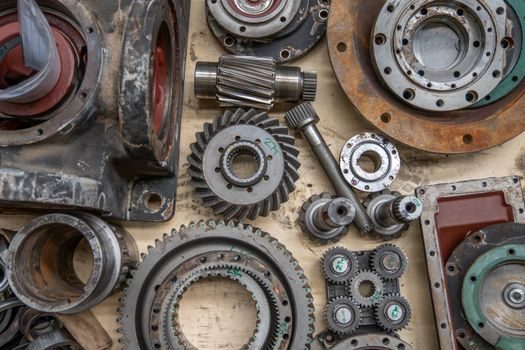
For a 2026 procurement cycle, the decision steps are: (1) define whether the rotating member is a structure (slewing drive) or a shaft-driven component (worm reducer); (2) pull the moment, axial and radial load case to size a slewing drive, or the kW, ratio and torque-arm reaction to size a worm reducer; (3) match material to environment - cast iron for general industrial, stainless for washdown or marine, SS-grade slewing drive for corrosive sites; (4) confirm the output interface - flange bolt pattern and gear ratio for a slewing drive, shaft diameter and torque arm for a worm reducer. Track for the next 6 months: Chinese OEM 4000 pieces/month capacity headlines from Jiangsu and Fujian [S2][S5], and continued code-based configured quoting for stainless servo and heavy industrial lines from Cone Drive and Renold [S1][S6], as the practical signal of supply stability for this category. Related cross-references for a buyer comparing adjacent rotary-axis products include the slewing drive encyclopedia entry, the slewing ring bearing entry and the gear coupling entry.