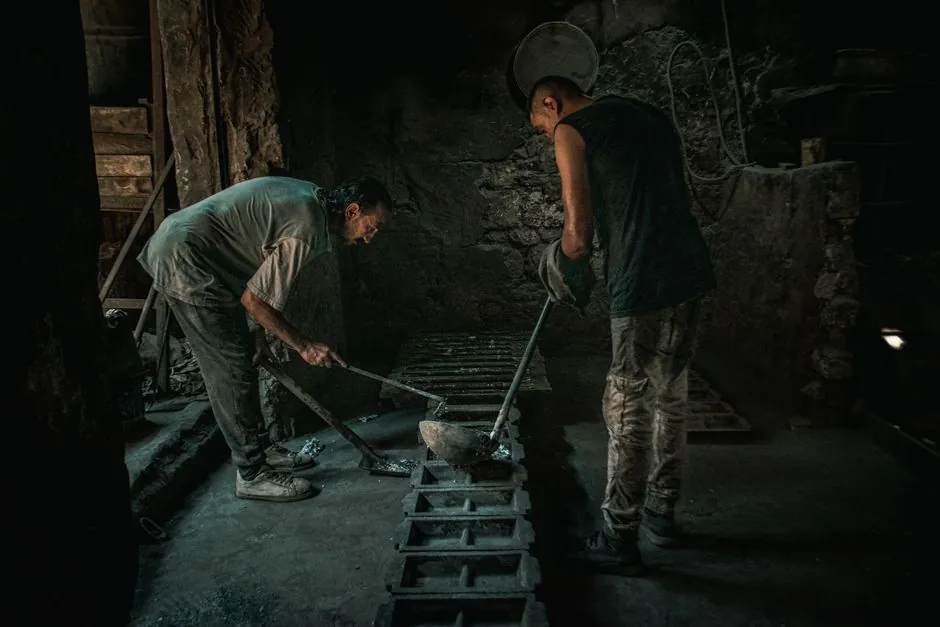
Small cupola furnaces for job shop iron founding are commonly designed in the 0.5 to 5 t/h melt range, with an internal diameter window of roughly 0.5 m to 1.5 m and a stack height of 3 to 6 m above the tuyeres [S2][S4][S6].
Published designs of compact units land on either side of the 0.5 t/h mark: a 450 kg/h cupola was built at Ajaokuta Steel Company using 5 mm mild steel shells, asbestos backing, and fireclay brick working lining [S4], while a separate 500 kg/h design study targeted a 173 mm wind belt diameter as the controlling geometry [S1].
Where the small cupola sits in the furnace family
The cupola is a vertical shaft, coke-fired melter charged in alternating layers of metal, metallurgical coke, and limestone, with combustion air blown in through tuyeres above a bottom drop door [S2][S3].
Cupolas are sized by inside diameter rather than by nameplate tonnage, and published references put the practical diameter range at 0.5 m to 4.0 m (about 1.5 to 13 ft), with stack heights from roughly 9 m to 24 m (30 to 80 ft) on the largest iron-foundry units [S2][S6]. For a job shop the relevant band is the lower end: 0.5 m to 1.5 m diameter corresponds to 0.5 to 5 t/h, while anything above 2 m diameter is a production-line melter running continuously [S2][S6].
Crucible furnaces cover the sub-0.5 t/h intermittent batch niche, and crucible furnace configurations are typically chosen for non-ferrous or low-melt-point alloys rather than grey iron [S3]. For ferrous work at sub-tonne batches, the practical comparison is between a small cupola furnace and a coreless induction furnace, not a crucible unit.
Capacity sizing rules used by job shops
Hourly melt rate of a cupola scales roughly with the cross-sectional area of the melting zone, so doubling the inside diameter near-quadruples throughput at constant blast energy [S2][S6].
Two design datapoints bracket the small-foundry band: the 450 kg/h Ajaokuta unit and the 500 kg/h study cupola with a 173 mm wind belt both land at the same 0.45 to 0.50 t/h class, which is the lower bound for a single-shift ferrous job shop [S1][S4]. At the upper small-foundry end, 1.2 m to 1.5 m diameter units deliver 3 to 5 t/h and are still within reach of a two-shift operation, but the refractory wear, coke handling, and emission control overhead start to approach what a 5 to 10 t/h induction furnace cell handles more cleanly [S2][S3].
Wikipedia's cupola entry explicitly notes that the size is expressed in diameters, and that the practical range runs 1.5 ft to 13 ft (0.5 m to 4.0 m), with 1.5 ft to roughly 5 ft being the small-foundry band [S6]. Anything smaller than 0.5 m diameter is generally treated as a pilot or training unit, not a production melter.
What the small cupola is, and is not, good for
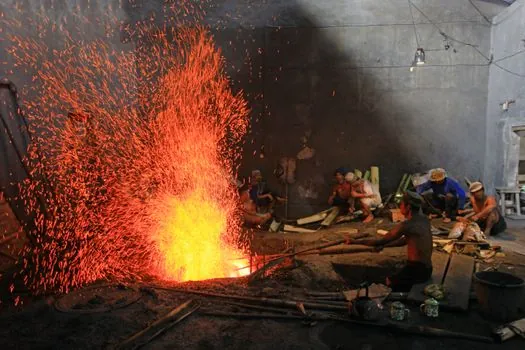
A small cupola suits a ferrous job shop that runs an 8 to 12 h shift, charges 100 to 500 kg batches, and uses a consistent charge mix of pig iron, returns, and ferroalloys [S4].
It is a poor match for a foundry that melts fewer than 4 hours per day, switches between iron and non-ferrous alloys in the same shell, or needs melt chemistry changes every batch, because the cupola has a long thermal soak (typically 1.5 to 3 h from cold start to first tap) and its carbon and silicon pickup are set by the coke rate, not by the operator [S2][S3][S4]. The Insertec engineering note makes the same point: many ferrous and non-ferrous foundries have moved to crucible and induction melting, with the cupola remaining attractive only when operated near-continuously at steady state [S3].
Air-emission footprint is a real constraint: the coke bed produces CO, CO2, and particulate, and even a 0.5 t/h unit needs a cap or afterburner duct to keep the gas cooling and dust load within typical plant-permit ranges [S2].
Small cupola vs induction vs crucible: decision criteria
Three criteria separate the small cupola from the two main alternatives at the 0.5 to 5 t/h scale: batch mode, melt-chemistry control, and capex per tonne of installed hourly capacity. [S2]
For a 0.5 t/h cell, an induction furnace usually wins on chemistry control and partial-batch operation, but loses on coke-free fuel cost per tonne of iron poured; a small cupola wins on fuel cost per tonne but loses on start-up time, partial-batch flexibility, and emission control footprint [S2][S3]. The holding furnace then becomes a common companion: cupola tap to induction or gas-fired holder gives the job shop the low fuel cost of coke and the chemistry trim of an electric unit. At 3 to 5 t/h, induction is the default new-build choice for most ferrous job shops unless the local coke price is unusually low.
Crucible furnaces remain the right answer for non-ferrous or short-run iron at the 50 to 200 kg/batch scale, but they do not compete with the small cupola in tonnage terms [S3].
Mechanical and refractory envelope of a 0.5 t/h unit
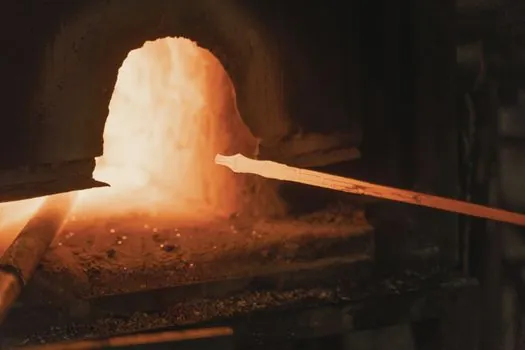
The reference 450 kg/h cupola was built as four welded mild-steel sections, each 5 mm thick, lined with 5 mm asbestos sheet as a backup and fireclay brick as the hot face, with sodium silicate binder between layers [S4].
Stack height for that class of unit is on the order of 3 to 4 m above the tuyeres, well below the 9 to 24 m range quoted for industrial-scale cupolas, and the tuyere belt sits 0.5 to 1.0 m above the drop bottom [S2][S4][S6]. Refractory selection is split by zone: the upper stack takes thermal and mechanical shock and is commonly monolithic in modern rebuilds, while the lower melting zone and well block take metal and slag attack and demand premium fireclay or high-alumina brick [S3]. For a job shop, this means the 0.5 t/h cupola is buildable from commodity materials and local fabrication labour, which is exactly the cost basis the Ajaokuta N1,467,266.00 build report was anchored on [S4].
Operating limits and common failure modes
The two most common failure modes on small cupolas are tuyere burn-back and lower-stack refractory wash, both driven by oxygen-rich blast and high coke rate [S3].
Typical safe blast pressure for a 0.5 to 1.0 m diameter cupola sits in the 1.5 to 3.5 kPa (6 to 14 in. water column) range, with a coke-to-metal ratio of 1:6 to 1:8 by weight to keep the bed from bridging or, conversely, channeling [S2][S4]. Operators of sub-tonne units often shorten campaign life to 8 to 12 h and then drop and re-line, rather than running the 24 to 72 h campaigns typical of larger industrial cupolas [S3][S6]. The SentroTech reference notes that continuous-operation cupolas must be built from premium refractory grades because they cannot be allowed to cool, which is a cost signal that pushes the small job-shop cupola toward the intermittent 8 to 16 h campaign model [S2][S3].
Standards, sourcing, and what to verify before buying or building
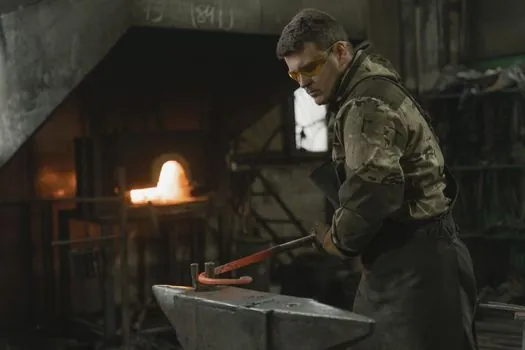
Small cupola builds are typically referenced against national foundry association standards for refractory thickness, tuyere count, and charging sequence rather than a single international code [S2][S3].
For a job shop, the verifiable procurement checks are: inside diameter at the tuyere belt (must match the rated t/h), tuyere count and area (typically 4 to 8 tuyeres at 60 to 120 mm dia on a 0.5 m unit), refractory thickness (100 to 150 mm working face plus 50 to 75 mm backup on small units), drop-bottom geometry, and cap or afterburner duct sizing for the rated gas flow [S2][S4][S6]. Second-hand small cupolas do appear in the market, and a typical 0.5 to 1 t/h used unit in restorable condition has been listed in the low-thousand-dollar range; budget for refractory and blower overhaul before treating the listing price as the real cost [S5].
Trackable signals for the next planning cycle: local metallurgical-coke price per tonne (the dominant operating cost on a small cupola), refractory monolithics availability for intermittent operation, and emission-permit thresholds for CO and particulate at the 0.5 t/h class. Any of those three moving 10 to 15% should trigger a re-run of the cupola-vs-induction comparison for a job shop foundry at the 0.5 to 5 t/h scale.
See also our earlier report, Inductive sensor sensing distance: how target metal changes the real range.