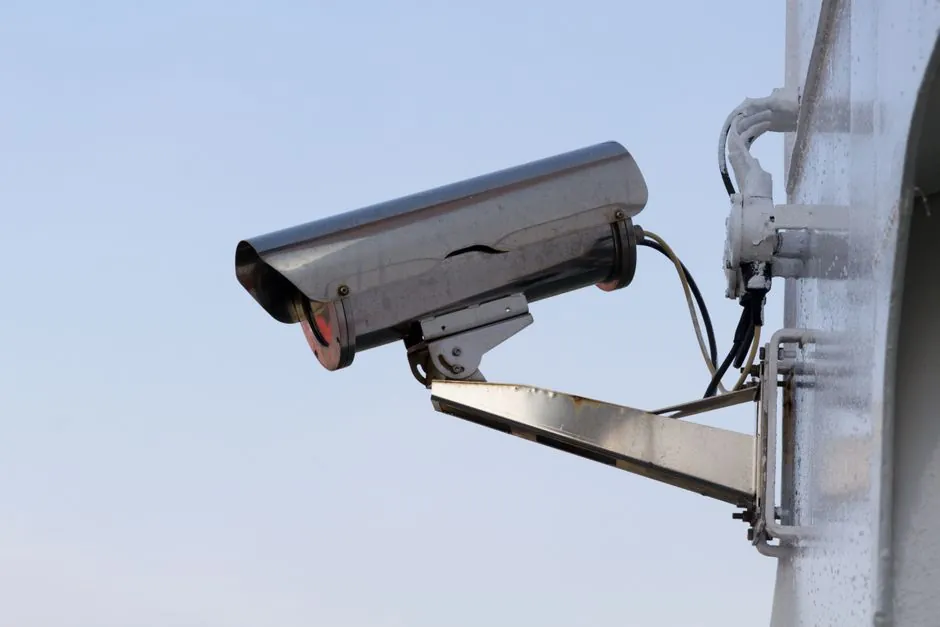
Smart cameras package the image sensor, onboard processor, and I/O into a single enclosure weighing as little as 17 grams, exemplified by the JeVois-A33 quad-core unit at 28 cc and the JeVois-Pro deep-learning camera delivering up to 31 TOPS with the Hailo-8 neural accelerator [S1].
Industrial machine vision systems, in contrast, separate the camera head from a controller or PC-based processor running dedicated vision software, with Cognex In-Sight 2D vision systems positioned for self-contained industrial-grade inspection, identification, and guidance [S2].
Architecture: Integrated vs Distributed Processing
A smart camera combines a CMOS sensor (monochrome or color), lens mount, CPU/DSP/NPU, and communication ports in one IP-rated housing, removing the need for a separate frame grabber or PC [S1][S3]. The JeVois-A33 includes a quad-core CPU with USB video and serial port output, accepting microSD cards preloaded with OpenCV, TensorFlow Lite, and other open-source pipelines [S1].
A machine vision system splits the imaging chain: camera head (GigE Vision, USB3 Vision, or Camera Link) feeds a controller running rules-based or AI-powered software, often with PLC or robot controller integration [S2][S3]. Cognex In-Sight 2D systems are described as self-contained industrial-grade units, while KEYENCE's VS Series uses an icon-based interface supporting both rules-based and AI inspections without middleware [S2][S3].
Selection Criteria: Resolution, Speed, and Imaging Mode
Resolution should match the smallest feature to detect, with higher pixel counts required for fine markings or small defects [S3]. Speed, measured in frame rate and exposure time, must keep pace with line throughput to avoid motion blur, and shorter exposures demand more luminous lighting [S3].
Industrial vision cameras fall into three imaging groups: area scan for 2D part presence and label reading, line scan for continuous-motion web or surface inspection, and 3D for height profiling via structured light, stereo, or time-of-flight [S3]. Monochrome sensors are best for contrast-based inspection, while color sensors are used only when hue differences carry the defect signal [S3]. JeVois offers both 1.2 MP global-shutter monochrome and color sensor upgrade kits, plus a 1.3 MP sensor with a 120-degree fisheye lens [S1].
Connectivity and Power: 24V DC vs PoE
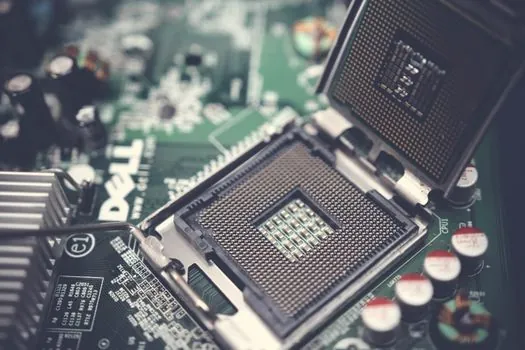
Industrial vision cameras typically run on 24V DC or Power over Ethernet, with PoE consolidating power and data on a single cable suited to tight spaces or multi-camera rigs [S3]. GigE and USB3 serve as the dominant PC-side interfaces, with the choice driven by data volume, line speed, and camera count [S3].
Compact smart cameras rely on lower-power links: the JeVois-A33 exposes USB video plus a serial port for host integration with PC, Arduino, or Raspberry Pi projects, while the JeVois-Pro adds an M.2 A+E 2230 slot populated by the Hailo-8 26-TOPS neural accelerator for edge AI inference [S1].
Comparison Matrix: Smart Camera vs Machine Vision System
On cost, entry-level smart cameras like the JeVois-A33 camera-only SKU list at $49.99, turnkey kits from $59.99, and the JeVois-Pro deep-learning variant at $249.99, with the Hailo-8 bundle at $529.99 [S1]. Industrial machine vision systems from vendors like Cognex and KEYENCE are typically priced several times higher once controllers, software licences, and lenses are added, though the research does not provide specific system price points.
On integration effort, smart cameras minimise wiring and commissioning because the image pipeline, inference engine, and results I/O are pre-bundled, while machine vision systems require matched lens, lighting, controller, and software configuration, and depend on GigE or USB3 throughput for the chosen line speed [S1][S2][S3]. On inspection complexity, a smart camera covers presence/absence, code reading, and entry-level AI tasks within its processor budget, whereas a full machine vision system is the better fit for high-resolution 2D, multi-camera 3D profiling, and traceable factory-floor inspection with PLC handshake [S2][S3].
Use Case Mapping: When Each Architecture Wins
Smart cameras suit embedded or space-constrained deployments: robotics, drones, Arduino/Raspberry Pi projects, and education, where a 17-gram, 28 cc self-contained unit with USB video and serial output can be dropped into a host with no separate processor [S1]. They also fit edge AI inspection where a Hailo-8 26-TOPS accelerator pushes neural network inference to the camera head, eliminating a round trip to a server [S1].
Full machine vision systems are specified for production-line inspection, defect detection, dimensional verification, and code reading at industrial throughput and traceability levels, where Cognex In-Sight 2D systems are positioned for self-contained industrial-grade use [S2]. For 3D profiling of height or surface geometry, structured-light, stereo, or time-of-flight cameras such as the KEYENCE XT are referenced as purpose-built options needing no external lighting [S3].
Limitations and Failure Modes
Smart cameras hit a ceiling on resolution, frame rate, and lighting flexibility because the sensor, processor, and lens are co-designed and non-swappable, so a 1.2 MP global-shutter sensor cannot be upgraded to a 5 MP unit without replacing the whole camera [S1][S3]. Heat dissipation inside a sealed enclosure can throttle the NPU under sustained 31 TOPS loads, a constraint to validate in continuous-duty deployments [S1].
Machine vision systems carry integration risk: lens choice, field of view, and working distance must be matched so that pixel density on the smallest feature is sufficient, since a high-resolution sensor cannot recover detail beyond what the lens resolves [S3]. Faster line rates demand shorter exposures, which cuts available light and forces careful lighting design, while PoE link budgets limit cable runs in multi-camera cells [S3].
Standards and Sourcing Notes
Connectivity for PC-based industrial cameras follows the GigE Vision and USB3 Vision interface standards referenced in vendor integration guidance, while smart-camera embedded links typically rely on USB UVC video class plus serial-over-USB for command and result I/O [S1][S3]. Vendor documentation describes Cognex In-Sight 2D systems as self-contained industrial-grade units and KEYENCE VS Series software as middleware-free with icon-based programming [S2][S3].
Procurement notes from the JeVois catalog list the JeVois-A33 camera-only SKU at $49.99, the beginner turnkey kit at $59.99, multilens 1.3 MP and low-light 0.3 MP turnkey kits at $69.99 each, the 1.2 MP global-shutter color or monochrome sensor with 9-DOF IMU upgrade kit at $99.99 each, and the Hailo-8 26-TOPS M.2 A+E 2230 accelerator at $279.99 [S1]. The JeVois-Pro deep-learning smart camera lists at $249.99, with the JeVois-Pro plus Hailo-8 31-TOPS bundle at $529.99 [S1]. For deeper context on the broader system side, see the machine vision system buying guide for 2026 and the 3D scanner selection map for 2026, which line up against the structured light vs laser 3D scanner trade-offs.
Two trackable signals for the next planning cycle: monitor whether JeVois-Pro SKUs remain in stock at the listed $249.99 and $529.99 price points, and watch GigE Vision frame-grabber pricing versus USB3 Vision host cards, which set the recurring cost of any new PC-based machine vision cell.
Component reference pages worth checking: machine vision system, smart camera, and machine vision id.