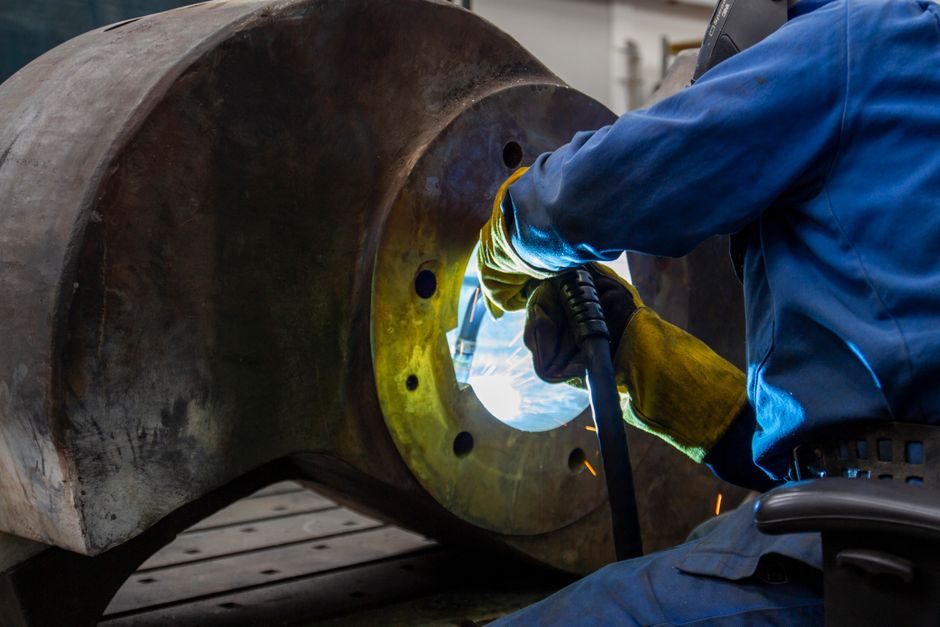
A static pressure molding machine used in a green-sand foundry line draws 24-36 kW per cycle on the small-to-mid frame (TZZJ-550/450 through TZZJ-710/610), with sand mold weights of 85-210 kg and compaction pressures of 0.6-0.7 MPa [S5]. That headline spec looks modest, but the 10-year total cost of ownership on a static pressure molding machine is dominated by media, energy and downtime, not by the equipment ticket.
This article maps every cost driver that a foundry procurement engineer or plant manager should weigh before signing a PO, ranks the cost components from largest to smallest share, and benchmarks the line against the related molding line family (shell, automatic, vertical flaskless) so the choice is grounded in lifecycle economics rather than brochure specs.
TCO framework: six cost buckets, not one sticker price
Total cost of ownership covers the full lifecycle spend: purchase, use, maintenance, support, and disposal [S1]. For a static pressure molding line, that decomposes into six concrete buckets, each with its own measurement unit and procurement lever.
1) Capex (machine, sand plant, controls, installation). 2) Energy (compressed air, hydraulic, electric heating of sand). 3) Sand and binder media (consumable, not capital). 4) Wear parts and spare parts (nozzles, squeeze plates, filters, hydraulic seals). 5) Labor (operator, maintenance, supervisory). 6) Downtime, scrap, warranty and disposal.
Buyers who evaluate only bucket 1 — the machine quote — frequently miss 30-50% of the true program cost because the recurring buckets compound over 8-15 year asset life [S3][S7]. The same pitfall shows up in injection molding programs, where the mold-tooling cost is only one line in a TCO formula that also includes per-piece cost, scrap rate, preventive maintenance and engineering changes [S7].
Energy and compressed air: the recurring line item buyers underestimate
Static pressure molding machines are pneumatically/hydraulically driven; the published 24-36 kW motor rating on the 550-710 mm flask-size class is just the actuation power, not the total plant draw [S5]. A realistic operating point of 0.6-0.7 MPa compaction pressure [S5] implies a 6-8 bar compressed-air supply, and the air compressor typically costs more per year in electricity than the molding machine itself.
Rough allocation on a single-shift foundry: machine electric 25-35% of recurring cost, compressed-air generation 20-30%, sand heating/conditioning 15-25%, HVAC/lighting 10-15%. Operators considering a static pressure molding machine should size utility infrastructure (transformer, compressor CFM, dust extraction) before signing the equipment PO, because retrofitting a 30 kW class machine into a plant with a marginal 200 kVA service is a known failure mode.
Sand, binder and bentonite: the consumable that scales with tonnage
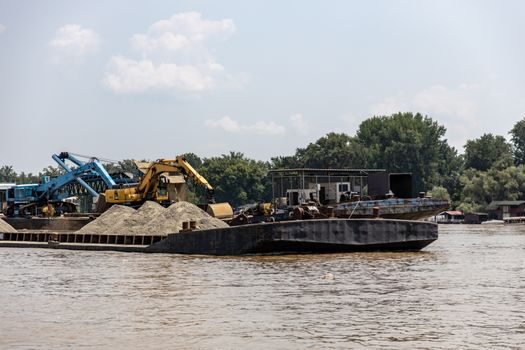
At 80-150 USD/tonne for conditioned foundry sand, sand alone is a five-figure monthly recurring line. This bucket is why a static pressure line is not directly substitutable for a shell molding machine, which uses resin-bonded sand and a very different consumable economics profile. Buyers should request a media consumption curve (kg sand per ton of castings) from the OEM rather than accept a single kWh figure.
Wear parts, spares and the maintenance burden
Wear-parts spend on a static pressure line is non-trivial because the squeeze head, sand magazine and pattern plate take abrasive punishment every cycle. The published 24-36 kW power range across the 550-710 mm flask class [S5] correlates with machine mass and squeezing force, and heavier machines concentrate wear in the hydraulic seal pack and the squeeze-plate wear face.
Typical annual maintenance budget on a mid-frame static pressure line: wear parts 1.5-3% of Capex, preventive service 1-2%, unplanned repair reserve 1-3% [S7]. The same engineering logic that drives injection-mold TCO — total mold cost over expected shot life, including amortization, scrap, preventive maintenance, energy and engineering changes [S7] — applies one level up to the molding machine itself. Plants running two-shift or three-shift operations should roughly double the wear-parts line versus single-shift baselines.
Criteria-based comparison: static pressure vs alternatives
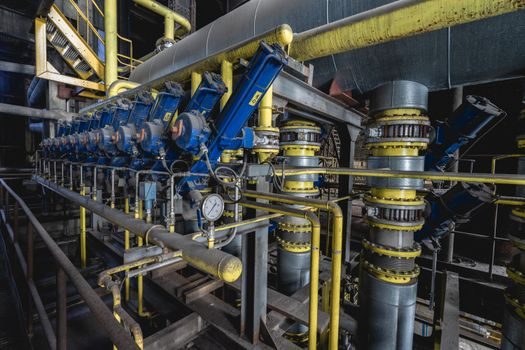
For a procurement decision, the static pressure line should be benchmarked against other green-sand and resin-sand options on four criteria: compaction pressure class, sand mold weight per cycle, installed power, and media type [S5]. A typical TZZJ-650/550 spec: 0.7 MPa compaction, 150 kg mold, 28 kW, green sand [S5]. That sits in the middle of the static-pressure family.
Versus high-pressure molding (1.0-1.5 MPa, often vertically parted), static pressure trades capex and complexity for higher pattern-change flexibility. Versus a shell molding machine, static pressure wins on throughput per square meter of floor space but loses on surface finish and dimensional accuracy. The right answer depends on casting weight, tolerance class and annual tonnage — a comparison covered in detail in the Automatic Molding Line Types: 2026 Classification and Selection Map reference.
Hidden costs the OEM quote rarely lists
Beyond the six buckets, four "hidden" line items routinely appear after commissioning: site preparation and civil work (foundation, sand pit, dust hood), installation and commissioning labor, peripheral equipment (sand mixer, shakeout, cooler, magnetic separator), and freight/duty if the line is imported [S6]. A typical Chinese-built static pressure line shipped to North America or the EU adds 15-30% to the FOB price once logistics, duty and commissioning are stacked [S4][S6].
Warranty and service-contract structure also moves the TCO curve: extended service contracts that bundle preventive maintenance and guaranteed response times trade higher annual fee for lower unplanned-downtime exposure [S6]. For a static pressure line producing 80-150 molds/hour, every four hours of unplanned downtime at the bottleneck is roughly 320-600 missed molds — usually a bigger financial hit than the annual service-contract premium. For a deeper dive on the same hidden-cost pattern at the line level, see the Automatic Molding Line TCO: 10-Year Cost Stack and Driver Map reference.
Use cases and who should — and should not — specify a static pressure line
Static pressure molding is the right answer for gray and ductile iron foundries running 10,000-100,000 molds/year, with casting weights of 5-200 kg, where green-sand economics, pattern-change flexibility and moderate tolerance (CT 8-11) are acceptable. It is NOT the right answer for short-run job shops (pattern change cost amortizes badly), for steel foundries needing higher compaction, or for foundries requiring CT 6-7 tolerances (which usually means resin-sand shell or cold-box lines). [S3]
That gap is what justifies the static pressure choice in high-tonnage iron foundries; it is also why the TCO calculation is so sensitive to media price, which is why buyers should lock a long-term sand supply contract before finalizing the line purchase. Plants already running an automatic molding line and benchmarking alternatives will find the Automatic Molding Line: Throughput Gains Versus Capex and Integration Risk reference useful for the capex-vs-throughput trade-off.
Standards, sourcing and due-diligence checklist
No single IEC or ISO standard governs the static pressure molding machine itself; the relevant compliance frame is the foundry's safety and emissions regime (dust collection to local regulation, noise directive for the EU, machine safety per ISO 12100, electrical per IEC 60204-1). Buyers should request CE/UL documentation, nameplate electrical data, and a sand-handling capacity curve, then cross-check against the published spec sheet (e.g. TZZJ-650/550 = 650×550 mm flask, 0.7 MPa, 28 kW, 150 kg mold [S5]).
Trackable signals for the next 6-12 months: published 2026 OEM price lists for TZZJ-class and equivalent European machines, bentonite and resin spot prices, and any foundry-segment tariff changes for cross-border equipment imports. A 10% move in sand media price or a 15% move in imported equipment landed cost will each shift the TCO breakeven point by roughly one year on a mid-frame static pressure line — a sensitivity that no spec sheet will surface, but that every procurement plan should model.