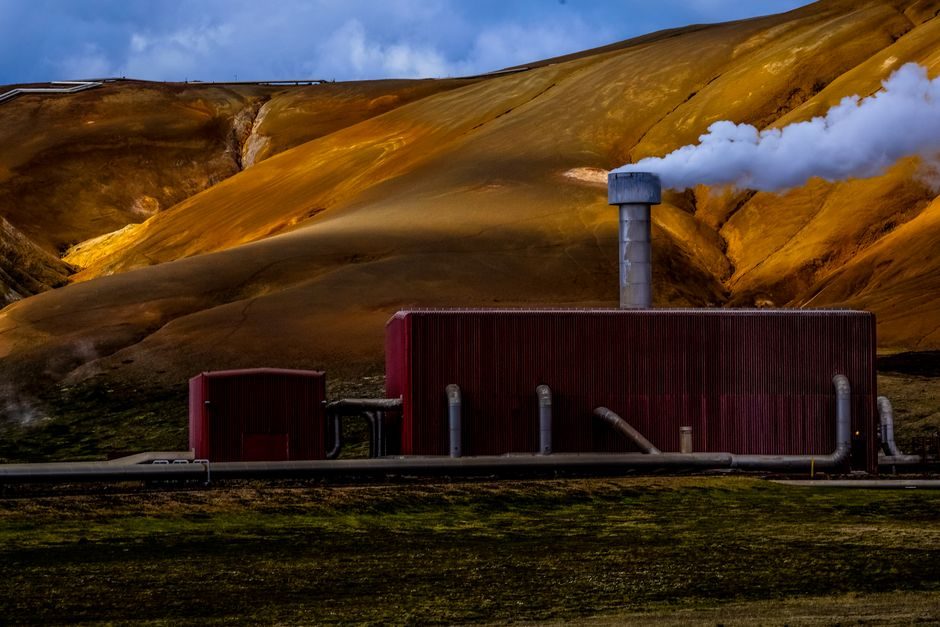
Specifying a steam separator for an outdoor maintenance area is fundamentally a flow-and-pressure-class exercise, not a pipe-match exercise: max/min steam flow, allowable pressure drop, inlet/outlet quality, body material, and trap-station layout drive the decision [S1][S2][S6].
The outdoor environment adds two non-negotiable constraints on top of the usual process envelope: the drain must discharge reliably in sub-zero conditions (freeze-safe trap station with isolation valves), and the body rating must cover the worst-case ambient + superheat scenario for the line, not just normal operation [S3][S6].
Flow Envelope and Pressure Class
Maximum and minimum steam flow rate are the two numbers that determine whether a given separator body will actually separate moisture or just pass it through; undersizing at peak load collapses efficiency, oversizing at minimum load lets velocity drop below the 30 m/s line recommended for distribution mains and causes condensate to re-entrain [S1][S6].
Pressure class is selected independently: PN16, PN25, and PN40 are the common European flanged ratings, while the US equivalent set is ANSI 150 / 300 / 600, with the Eliminator-series units covering up to 600 psig (41.4 barg) and 650 °F (344 °C) on the smaller 1/2"–2" line, and derated temperature at ANSI 150 (565 °F / 296 °C) on the 2 1/2"–6" line [S2][S3]. Vira vertical-vortex bodies cap at 16/25/40 bar and 300 °C with threaded 1/2"–4" or flanged DN15–DN300 connections [S1].
Always derate the published PMO/TMO against outdoor ambient: a winter-shutdown line sitting at –20 °C then slammed to 200 °C saturated steam is a thermal-shock event the body must be rated for, and the trap station must be sized so the cold condensate does not hydraulically lock the drain [S3][S4].
Vortex vs Baffle: Outdoor Geometry Trade-Off
Vortex (cyclonic) separators use a tangential or axial-swirl inlet to throw droplets to the wall by centrifugal force, then collect them in a lower sump; they tolerate variable load better and are the body of choice when a downstream flow meter or control valve must stay accurate [S1][S2].
Baffle (multi-direction-change) separators such as the Eliminator series rely on impingement plus gravity, are typically installed in a horizontal pipe with the drain directly below the line, and are advertised as maintenance-free with no moving parts and removal of nearly all entrained moisture and solids above 10 microns [S3].
For an outdoor maintenance area where the line is short, the load swings, and a variable-area flowmeter or control valve sits within a few pipe diameters downstream, a vertical vortex body gives more consistent dryness at part load; for a long horizontal steam main feeding general users, a baffle-type Eliminator in horizontal orientation is usually the lower-cost fit [S1][S3][S6].
Moisture Target, Velocity, and Quality Numbers
Ideal steam moisture content in a working system is 2–3%, not zero — fully dry steam is undesirable in most heat-transfer duties, but anything above ~5% starts eating into heat-transfer coefficient and accelerating erosion in steam trap seats [S1].
Recommended line velocity for distribution mains is around 30 m/s; pushing above this raises pressure drop across the separator and re-entrains already-separated droplets at the outlet, so separator pressure drop (typically expressed in mbar or psi at design flow) must be checked against the system allowable, not ignored [S1][S6].
Webre-type cyclone separators — the workhorse of geothermal steam duty — are documented as simple, high-efficiency, and low-maintenance, but they underperform on solid particles below 10 microns, which is the typical cutoff cited for baffle-type industrial separators as well; if the upstream boiler water carries sub-10 µm carryover, a strainer ahead of the separator is required [S3][S5].
Trap Station, Drain, and Freeze-Safe Layout
The drain must be directly below the line for gravity discharge, and a mechanical constant-flow steam trap must be fitted to the bottom NPT drain so condensate actually leaves the system instead of pooling and re-entraining [S3].
Standard practice is to add a Y-strainer between the separator and the trap so debris does not score the trap seat, and for outdoor service that strainer needs blow-down valve and an isolation pair so the trap can be changed without depressurizing the main — this is the "trap station" referenced in the Vira selection checklist [S1][S3].
Trap sizing is a separate calculation from separator sizing: a working example for an outdoor heat exchanger with control valve (Emerson guidance) uses 232 °C design / 17 bar design, 6.9 bar (100 psi) operating inlet, 0 bar outlet, 171 °C operating, 100 kg/h (220 lb/h) condensate load — the trap is selected on condensate load, not on line size [S4].
Material Selection for Outdoor Exposure
Default body and internals are carbon steel (ASTM A106-B for the body on Eliminator units, ASTM A234 WPB end caps, ASTM A105 couplings/plugs/end connections), with stainless steel as the typical upgrade for corrosive or hygienic duty [S1][S3].
For an outdoor maintenance area, carbon steel is acceptable when the line is dry steam and the trap station discharges to a safe condensate return; if the area sees chemical wash-down, coastal salt spray, or food/pharma hygienic requirements, the stainless option pays back in extended service life and lower repaint frequency [S1][S2][S3].
Insulation jackets are listed as an option on baffle-type separators and are essentially mandatory for outdoor service: they cut warm-up condensation on cold start, reduce radiant heat that cooks the trap, and protect maintenance staff during annual inspection [S3].
Outdoor Maintenance Workflow and When to Replace, Not Repair
Routine outdoor maintenance on a separator is minimal — baffle and vortex types are sold as maintenance-free with no moving parts — but the trap station, strainer, and insulation jacket are wearing items: plan annual trap-seat inspection, strainer blow-down each shift in dirty-steam service, and jacket weather-seal check before winter [S3].
Replace the separator (do not repair) when the body shows visible erosion at the inlet swirl element, when measured outlet moisture routinely exceeds 5% on saturated steam at design flow, or when pressure drop at design flow has risen more than ~2× the original nameplate value — both indicate the internal geometry is worn past spec, not fouled [S1][S3][S6].
A quick acceptance check after any reinstall: bring the line up to operating pressure on bypass, crack the trap station isolation, confirm full-bore condensate discharge within 30 s, then take a downstream sample — the pressure transmitter or flow meter reading should stabilize within one minute; if it does not, the separator is either flooded or undersized and the selection needs revisiting [S2][S3][S6].
Two trackable signals for the next planning cycle: monitor the outdoor trap-station discharge temperature against ambient — sustained >90 °C indicates the trap has failed open and is leaking live steam, a separate failure mode from separator wear — and re-verify the 30 m/s line velocity assumption whenever a new user is added downstream of the separator [S1][S4]. For broader skid-level instrument selection in adjacent outdoor cabinets, see Industrial Filter Selection Criteria for a Chemical Process Skid; for valve-pack decisions in hazardous outdoor zones, the parallel logic in Hazardous-Area Skid Hydraulic Valve Selection: Spec Criteria 2026 applies.