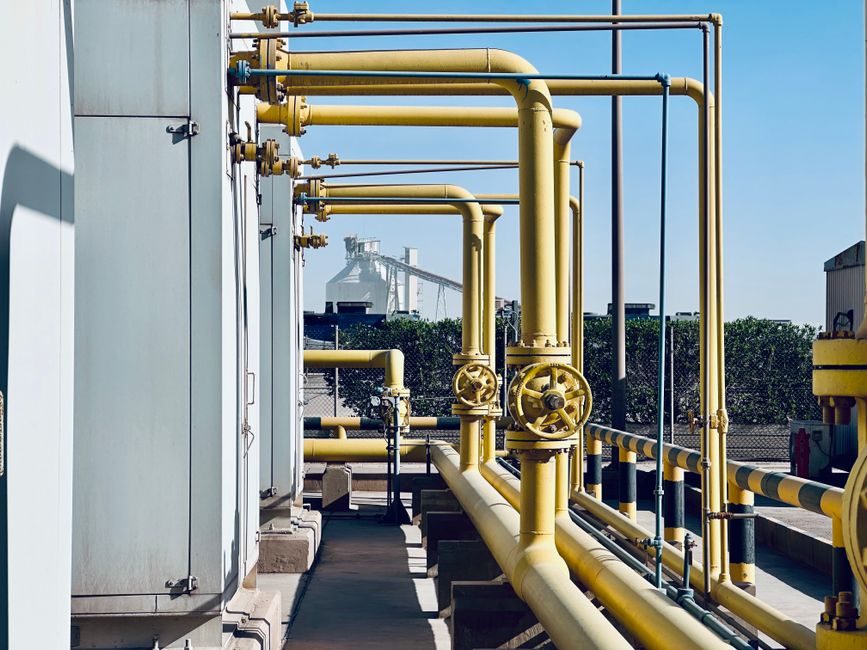
Steel-plastic composite pipe is not one product but a family of hybrid constructions — a metallic skeleton (welded or seamless steel) bonded to a polymer liner and/or outer sheath — and the right variant is fixed by pressure, temperature, conveyed medium, and joint method, not by brand. For Chinese municipal pressure service, the binding document is CJ/T 183-2008, which covers steel-plastic composite pressure pipe with a 19-page scope covering materials, dimensions and test methods [S1].
This article lines the family up against the four gates that consistently decide whether a build holds, fails, or quietly leaks: working pressure versus SDR/class, continuous service temperature, chemical compatibility of the polymer face, and the integrity of the jointing system. Where the duty is civil drainage or soil reinforcement, the selection logic shifts toward stiffness, slot pattern, and roll dimensions rather than pressure rating, but the hybrid steel-and-polymer principle is the same.
Gate 1 — Pressure class, SDR and the steel skeleton underneath
For pressure service, the polymer liner carries corrosion resistance while the steel substrate carries the hoop stress; specifying one without the other is the single most common cause of field failure on Chinese municipal water and heating projects. CJ/T 183-2008 governs the steel-plastic composite pressure pipe family and is the document to cite when a municipal owner or EPC asks for the standard reference [S1].
In practice the engineer first locks the working pressure class and the allowable temperature derating, then verifies that the steel wall — typically a welded or seamless carbon-steel tube per the conventional classification of seamless steel pipe versus hot-rolled or cold-drawn variants [S2] — delivers the calculated hoop stress with an adequate safety margin. The seamless steel pipe backbone is preferred for higher-temperature heating and chemical service where weld seam integrity is a concern, while welded steel core is acceptable for cold-water and fire mains where the operating envelope is benign. The full comparison of pipe types sits in the steel pipe reference page, and the wider polymer-liner family is covered under plastic pipe for cross-checking against PE/PVC alternatives.
Gate 2 — Service temperature and the polymer face on the inside
The polymer face sets the temperature ceiling long before the steel does, and engineers who skip this gate routinely over-spec a hot-dip galvanized steel pipe when a steel-plastic composite pipe would be the wrong call. PE liners cap continuous service in the cold-water and district-heating secondary band; crosslinked PE (PE-X) and modified grades push the ceiling higher; PPR and PVDF faces enter chemical duty where temperature and chemistry stack up. [S1]
Two field rules: (a) cold potable water and buried fire mains below 40 °C are the comfortable envelope for PE-faced steel-plastic composite and will give decades of service; (b) once continuous service temperature exceeds roughly 60 °C and the medium carries dissolved oxygen or chlorides, the engineer should re-check the standard scope and consider stepping up to PE-X, PPR-lined, or FRP composite for the hot leg. The general polymer-pipe thermal behaviour and joining rules are summarised in the plastic pipe entry and the engineering plastic reference.
Gate 3 — Medium chemistry, permeation and liner selection
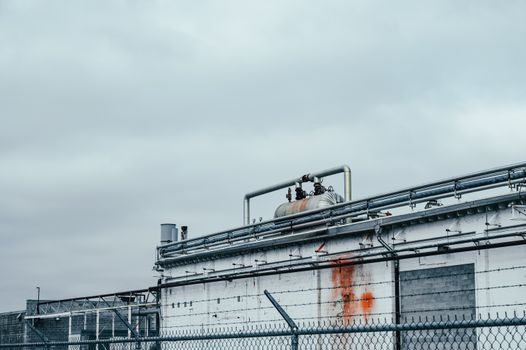
Chemistry is the gate most often hand-waved in low-bid procurement. A PE-faced composite pipe that handles neutral potable water flawlessly can permeate chlorinated solvents, swell in aromatic hydrocarbons, or delaminate when the fluid carries hot acids — the steel stops the leak structurally but the polymer face softens, blisters, or peels. For aggressive chemical duty, the FRP composite family (vinyl ester, epoxy, dual-laminate) is the correct escalation, not another steel-plastic variant. [S2]
The selector pattern that holds up in plant work: list the chemical species, the maximum continuous temperature, the maximum concentration, and whether solids or fibres are in the stream; match those against the published chemical-resistance tables for PE, PE-X, PPR and PVDF; and only then pick the steel-substrate option. For low-risk municipal water, the steel-plastic composite is the right economic answer. For chemical, oil-field, or high-temperature process lines, the same hybrid logic points to FRP rather than steel-plastic composite pipe.
Gate 4 — Jointing, liner integrity and what QA actually has to verify
The fourth gate is the one that survives procurement: jointing and the integrity of the polymer face at the cut and the coupling. Steel-plastic composite pipe fails more often at the joint than in the wall, and field QA must therefore treat each cut end, each weld-bead grind, and each threaded or flanged transition as a separate inspection point. CJ/T 183-2008 lays out the test regime for the pressure-pipe variant [S1], and any incoming inspection should track to that scope.
For civil and drainage duty, including steel-plastic composite geogrid used in road base and embankment reinforcement, the QA gate is different again: rib tensile strength, junction peel strength, and roll geometry per the project's geotechnical spec. Reference terminology for steel-pipe and tube products more broadly — pipe body, pipe end, seamless, hot rolled, cold drawn — is consolidated in the standard industry glossary [S2], and the commercial Chinese supply base is geographically clustered around Shandong manufacturers such as the Tai'an high-tech zone producer profiled in domestic industry records [S4]. The English-language industrial term for the geogrid variant is steel-plastic composite geogrid [S3].
Who it is for — and who it is not for
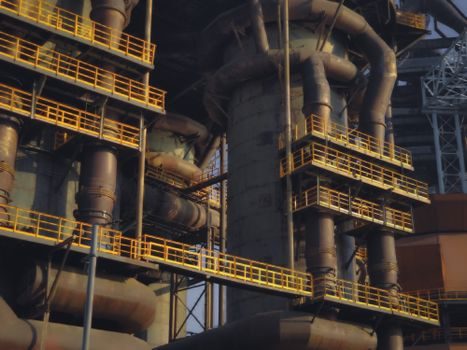
Steel-plastic composite pipe is for engineers specifying cold and tempered water mains, fire-protection mains, building risers, and chemical service where the temperature and chemistry fit the liner's published envelope. It is not for engineers specifying hot-oil process lines above the polymer ceiling, aromatic-solvent service, or any duty where the fluid attacks the bond layer between steel and polymer. [S3]
For those excluded duties, escalate to FRP composite (vinyl ester or epoxy, with dual-laminate option for solvents) or to high-alloy seamless steel pipe for high-temperature, high-pressure hydrocarbon service. For buried potable water at modest pressure, PE100 solid-wall pipe remains the lower-cost option, and the project-level PE pipe selection guide covers that family in detail. For building-side risers and chases, the PVC-U pipe selection reference is the better starting point. Procurement teams comparing total landed cost should also read the PE pipe price and cost guide before defaulting to steel-plastic composite on a buried water main.
Comparison across the four gates
The four pipe families that compete for the same trench line up as follows. Steel-plastic composite pipe: moderate pressure class, ≤ 60 °C continuous for PE face (higher for PE-X/PPR), good for neutral water and mild chemicals, jointed by welding/flanging with factory-liner protection at the cut. Solid-wall PE100 PE pipe: lower pressure class on equal SDR, ≤ 40 °C continuous, excellent chemical resistance, joined by butt-fusion or electrofusion. PVC-U pipe: moderate pressure class, ≤ 45 °C, brittle at low temperature, joined by solvent cement or rubber-ring socket. FRP composite: wide pressure range, ≤ 90–120 °C depending on resin, best chemical resistance of the four, joined by butt-and-overwrap laminating or flanged. [S4]
Read that as a gate-by-gate ranking rather than a brand list: the winner on pressure is FRP; the winner on cost for cold water is PE; the winner on building-side ease is PVC-U; and steel-plastic composite is the balanced pick when the duty crosses the 60 °C line, needs the steel skeleton's mechanical robustness, and cannot justify an FRP budget.
Standards, sourcing and what to verify before signing
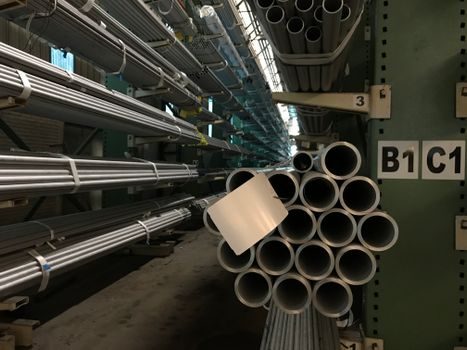
The starting point for any Chinese pressure-pipe spec is CJ/T 183-2008 for the steel-plastic composite pressure-pipe family [S1]; for general steel-pipe terminology and the seamless-versus-welded distinction the standard industry glossary is the working reference [S2]. For civil and geogrid duty, the English-language industrial term is steel-plastic composite geogrid [S3], and the domestic supply base is concentrated in Shandong, including Tai'an-based manufacturers in the high-tech development zone [S4].
Before signing a procurement order, verify four items: (1) the liner material and its continuous service temperature in writing, with a test certificate traceable to the production batch; (2) the steel substrate grade, wall schedule, and whether it is seamless or welded; (3) the jointing method, including the cut-end liner restoration procedure at every transition; (4) the QA scope aligned to CJ/T 183-2008 for pressure service, or to the project's geotechnical spec for geogrid. Track these four items and the build will hold; drop any one and the failure mode is the same regardless of brand.