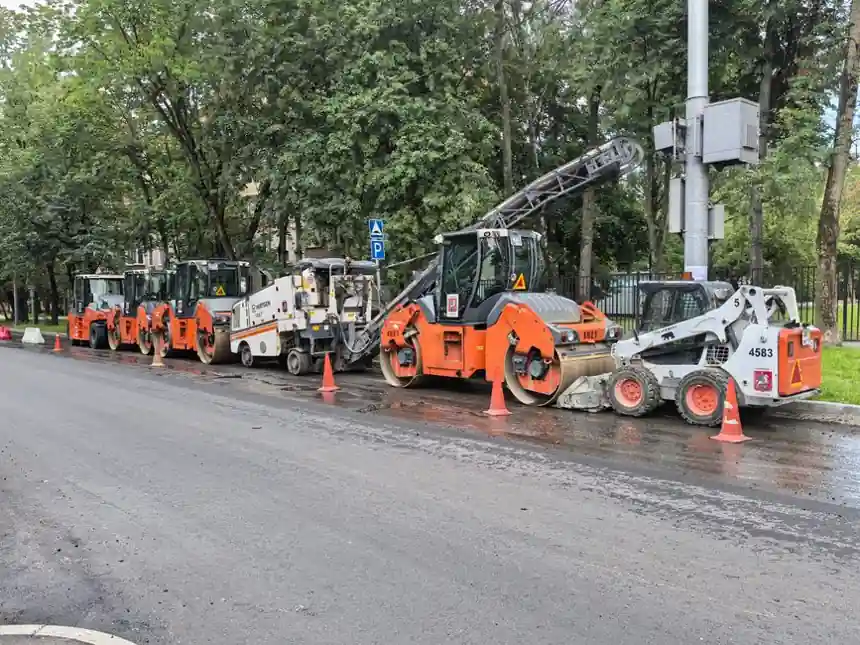
Demolition crews cannot start cutting steel until the asset is decontaminated: bulk sludge and residual oil must be removed to a gas-free, hot-work-safe condition, otherwise mechanical plant entry on a dirty tank is both an environmental and a confined-space violation [S5].
On 2026 industrial projects the cleaning step is treated as a separate contract package with its own hazard analysis, not a sub-task of the demolition crew, because cleaning quality controls the demolition method allowed on site [S3][S5].
What "clean enough to demolish" actually means
Cleaning a storage tank ahead of demolition is not the same as routine turnaround cleaning: the acceptance target is a gas-free, residue-free vessel that supports hot work and API 653-style inspection, and the OSHA work-activity list treats decommissioning (recoverable product removal through fixed piping) as a discrete step before any entry-based bottom cleaning [S1].
For petroleum and petrochemical ground storage tanks, OSHA sequences the work as preplanning, isolation, vapor/gas freeing, atmospheric testing, cleaning, then working inside/around the tank, and most vessels in this class are classified as hazardous locations so electrical equipment must be listed for that area per 1910.307 [S1]. Lead-lined gasoline tanks have their own dismantling reference in API 2202 [S1].
Manual entry vs robotic vs hydro jetting: criteria comparison
Three cleaning methods dominate 2026 demolition pre-work, and the right pick depends on residue viscosity, tank geometry, and whether manned confined-space entry is acceptable to the operator's HSE system [S5][S6].
Criteria-based comparison of the main options for demolition pre-cleaning:
- Manual entry (shovels, bulldozer assist inside the tank): lowest mobilisation cost, but highest confined-space risk and the least favourable ESG profile, and most operators with mature safety management systems now prohibit it when alternatives exist [S5].
- Hydro jetting at 10,000-40,000 PSI: removes hardened debris, sediment and biofilm without damaging tank surfaces, suits fixed-roof and cone-roof geometries, and is the workhorse for routine industrial cleaning [S6].
- Robotic tank cleaning: isolates the worker from the confined-space hazard entirely, supports parallel cleaning across multiple vessels in a turnaround window, and is increasingly specified for decontamination ahead of cut-and-lift demolition where environmental regulators are watching residue fate [S3][S5].
Confined-space and hazardous-location controls
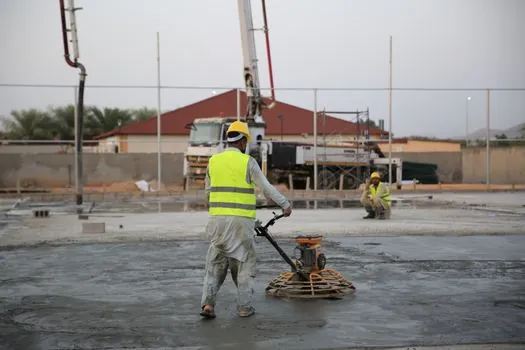
OSHA 1910.146 is the backbone: any ground storage tank in petroleum or petrochemical service is normally a permit-required confined space, so the preplan must cover the full (c) general requirements through (l) employee participation subparts, plus a rescue plan with designated responders under 1910.146(k) [S1].
Electrical equipment in and around the tank must be approved and used as listed, and the vessel will normally carry a hazardous-location classification that pulls in 1910.307, which is why Ex-rated lighting, blowers and pumps show up on the job even before gas testing is complete [S1]. Control of Hazardous Energy (Lockout/Tagout) and Process Safety Management sit alongside 1910.146 in the preplanning checklist [S1].
Demolition-side coordination: what the cutting crew needs to see
A demolition contractor reading the cleaning handover wants three things: documented gas test results, confirmation that bottom sludge has been removed to a defined depth or volume, and a clear statement of whether hot work (cutting, welding) is permitted in each zone of the vessel [S1][S3].
API 653 inspection windows and hot-work permits cannot be issued until the cleaning contractor signs off the vessel as gas-free, which is why hydrokinetics-style service providers run self-rotating water jet nozzles, centrifuge processing (2-phase and 3-phase), and filter press systems as an integrated package rather than a standalone water blast [S3]. For readers sizing the mechanical side, excavator service life hours and replacement triggers maps well onto the post-cleaning demolition window, since the same wear accounting governs the long-reach machine that will be cutting the shell.
When NOT to clean: replace, defer, or escalate
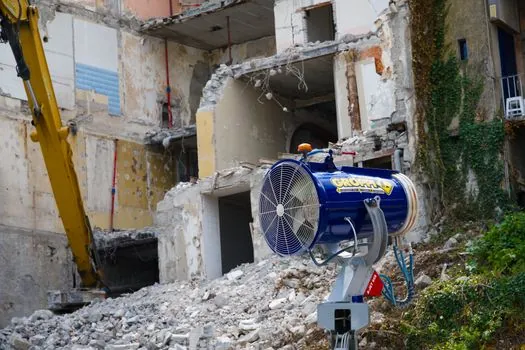
There are cases where cleaning is the wrong answer: structurally unsound tanks where entry itself risks collapse, tanks with unknown historical product (no MSDS chain), and lead-lined vessels where the OSHA/API chain routes to a specialist dismantling contractor under API 2202 rather than a generic cleaning crew [S1].
Spills, equipment failures, and short-notice outages that force an emergency take-out are a separate category: the 24/7/365 mobilisation response is real, but the same permit and atmospheric testing steps still apply, just compressed, and skipping them is the classic route to a CSE incident [S3]. If the tank cannot be gas-freed to the operator's standard, the project escalates to controlled cut-up under inert gas or remote demolition rather than manned entry [S5].
Selection criteria for the cleaning partner on a demolition job
For utility, refinery, terminal and chemical-plant work, a fit-for-purpose cleaning partner brings four things: documented confined-space programs aligned to 1910.146, the equipment fleet to handle both routine turnaround and emergency response, in-house waste processing (centrifuge, filter press, oil recovery) so waste is not double-handled, and a track record of delivering vessels to a gas-free, hot-work-ready state for API inspection [S3].
On the demolition side, the same partner should be able to coordinate parallel cleaning of multiple vessels inside a tight turnaround window, because missed cleaning dates cascade into missed cutting dates and demobilisation costs on the mechanical plant [S3]. For a sense of how that mechanical side is then specified and run, excavator commissioning: a process engineer's FAT-to-handover procedure covers the handover discipline that should match the cleaning sign-off paperwork.
Trackable signals for the next planning cycle: whether the project specifies robotic cleaning by default for any tank destined for cut-and-lift demolition, whether the cleaning contract is tendered separately from the demolition contract, and whether the gas-free certificate is gated to a documented atmospheric test rather than a visual clean.
Spec-level background on the components involved: tank cleaning machine, demolition hammer, and self cleaning filter.