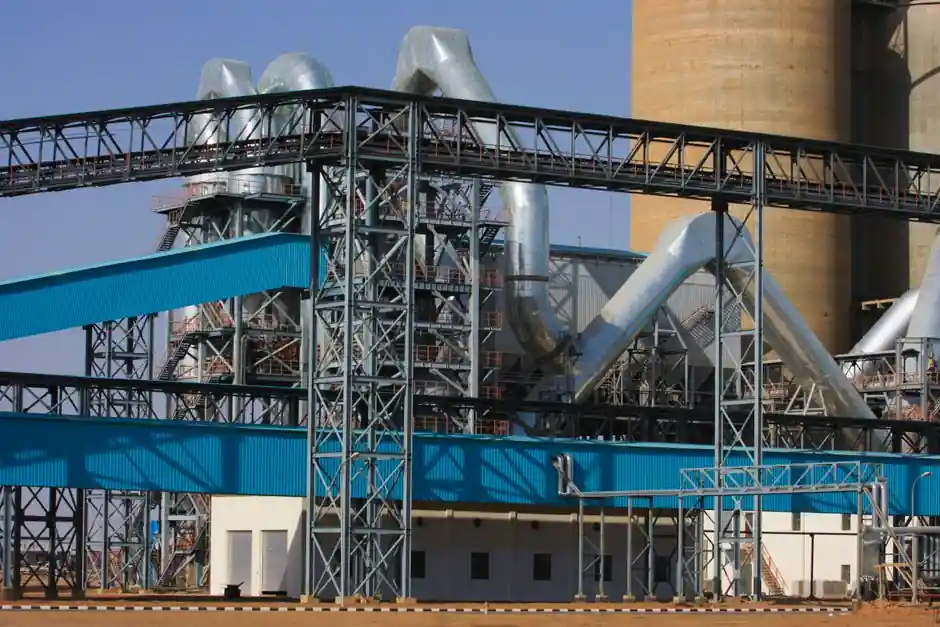
Selecting a tank cleaning machine for pipeline construction starts with the deposit inventory, not the brand: paraffin, weld slag, hydrotest water, and biofilm each rule out a different fluid dynamic and tool geometry [S1][S3].
Pneumatic test pressure under ASME B31.8 is fixed at 1.1 times MAOP for gas transmission, while pipeline spreads typically demand 600-1,200 CFM portable diesel compressor output at 10-25 bar to feed trenching, purge, and pre-commissioning pigging simultaneously [S4].
Deposit-Driven Method Selection
American Pipeline Solutions groups the field into six core methods: flushing, Ice Pigging, traditional foam pigging and swabbing, hydro-jetting, chemical cleaning, and steam blowing, with each method bound to specific deposit chemistry rather than pipe size alone [S1].
Wax, paraffin, grease, mineral scale, rust, biofilm, sand, silt, weld slag, and standing hydrotest water can coexist in a single new-build line, and a staged cleaning train is normally required when more than one deposit class is present, per the same source [S1].
Pigging programs target four outcomes in parallel: debris removal, flow-efficiency recovery, ILI tool readiness, and regulatory compliance; missing any one of these typically forces a re-run with a different pipeline pump duty point or pig body density [S3].
Pig Body Geometry vs. Cleaning Objective
Four pig families cover nearly every pre-commissioning case: cleaning pigs for wax and debris, batching pigs for product separation, gauge pigs for deformation mapping, and ILI tool pigs for integrity data capture [S3].
Selection inputs are pipeline diameter, internal geometry, product type, debris classification, and run objective; an undersized foam pig leaves wax films intact, while an over-tight poly pig risks becoming lodged and triggering a cut-out operation [S3].
Operational economics matter as much as cleaning efficacy: the wrong pig increases OPEX through re-launches, stuck-pig excavation, and degraded self-cleaning filter differential pressure downstream, per the same operational guidance [S3].
Hydro-Jetting and VACUJET Service Lines
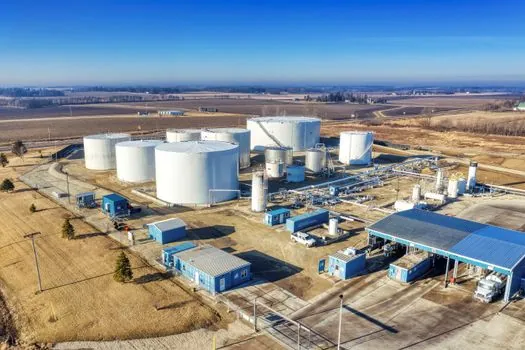
Remtech Engineers markets industrial VACUJET sewer jetting and hydro-jet pipeline cleaning to remove heavy sediment, grease buildup, sludge, and industrial debris, with the service positioned for refineries, chemical plants, and landfill leachate lines [S2].
Hydro-jetting is the preferred method where pigging access is limited by short spool pieces, mitred fittings, or diameter changes under 2D, because the nozzle can pass restrictions that a foam or poly pig cannot negotiate [S1][S2].
For chemical and petrochemical clients, the same service tier is paired with tank cleaning and industrial services, allowing a single contractor to handle pre-commissioning pipe cleaning plus IBC tank and tank container residue removal on shared shutdown windows [S2].
Pneumatic Test Pressure and Compressor Sizing
ASME B31.8 binds gas-transmission pneumatic test pressure to 1.1 times the Maximum Allowable Operating Pressure, with the class location factor layered on top, so a Class 1 rural line and a Class 4 urban line test at different terminal pressures even at identical MAOP [S4].
Standard pipeline compressor fleets use manifolded 600-1,200 CFM units running continuously at 10-25 bar, sized to overcome volumetric expansion and temperature-induced pressure decay during the test hold [S4].
Four operational parameters drive the spec: right-of-way mobility at 1-3 km/day advance, code-bound pressure validation under ASME B31.4 and B31.8, concurrent CFM demand for rock drills, purge, sandblasting, and pig launching, plus moisture control to keep test media dry [S4].
Comparison of Cleaning Methods on Four Decision Criteria
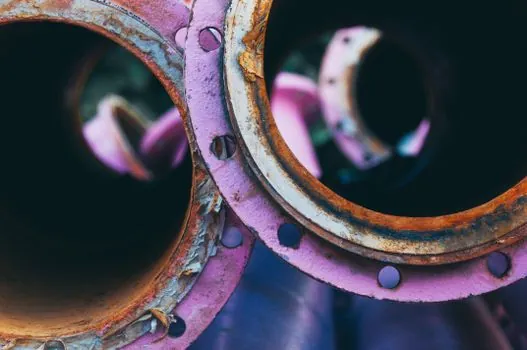
On the four criteria that drive 2026 spec writing, the methods line up as follows: Foam pigging wins on capital cost and ILI readiness for new gas lines, hydro-jetting wins on access through short-radius fittings, Ice Pigging wins on paraffin removal without chemicals, and chemical cleaning wins on biofilm and mineral scale but loses on waste handling [S1][S3].
For a typical 24-36 inch gas-transmission spread under ASME B31.8, the dominant train is staged mechanical pigging followed by pneumatic air drying at 1.1x MAOP, with hydro-jetting held in reserve for lateral tie-ins and launcher barrel cleaning [S3][S4].
Construction-site selection logic for adjacent equipment follows a similar deposit-first pattern; see the construction tools spec framing for trenching, coating, and purge tooling that runs off the same compressor fleet [S4].
Limitations, Failure Modes, and What to Avoid
Stuck pigs remain the single largest failure mode in pre-commissioning cleaning, driven by pig-by-pig diameter mismatch, ignored internal geometry, and undersized launchers; mitigation starts with a gauge pig run before any cleaning train begins [S3].
Hydro-jetting is contraindicated for thin-walled stainless process lines and for lines with internal epoxy coating, where nozzle impact pressure above 5,000 psi can erode the protective layer; chemical cleaning is the safer substitute in those cases [S1].
Pneumatic testing is restricted in arid and sub-zero environments only by moisture and temperature, not by code, but residual moisture left in the line post-test creates a severe operational hazard on gas service, so air-drying pig trains are inserted between the test and first gas-in [S4].
Sourcing, Standards, and 2026 Signal Nodes
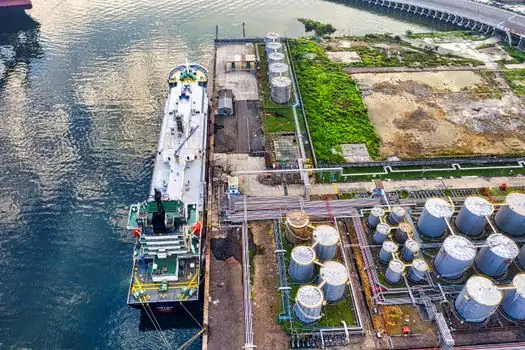
Applicable standards for any 2026 pipeline-construction cleaning and test scope are ASME B31.4 (liquid pipelines), ASME B31.8 (gas transmission), and ISO 13623 (petroleum and natural gas industries), all cited explicitly in current midstream guidance [S4].
Trackable signals for the rest of 2026 include ILI-ready pigging adoption rates on new US gas spreads, moisture-control retrofit kits on portable diesel compressor fleets, and any revision activity on the ASME B31.8 class-location factor tables that govern the 1.1x MAOP hold period [S3][S4].
Adjacent spec maps worth cross-checking when the cleaning scope touches civil and structural work include the safety interlock switch selection for mining operations guidance, since compressor and pig-launcher guarding falls under the same machinery-safety logic.