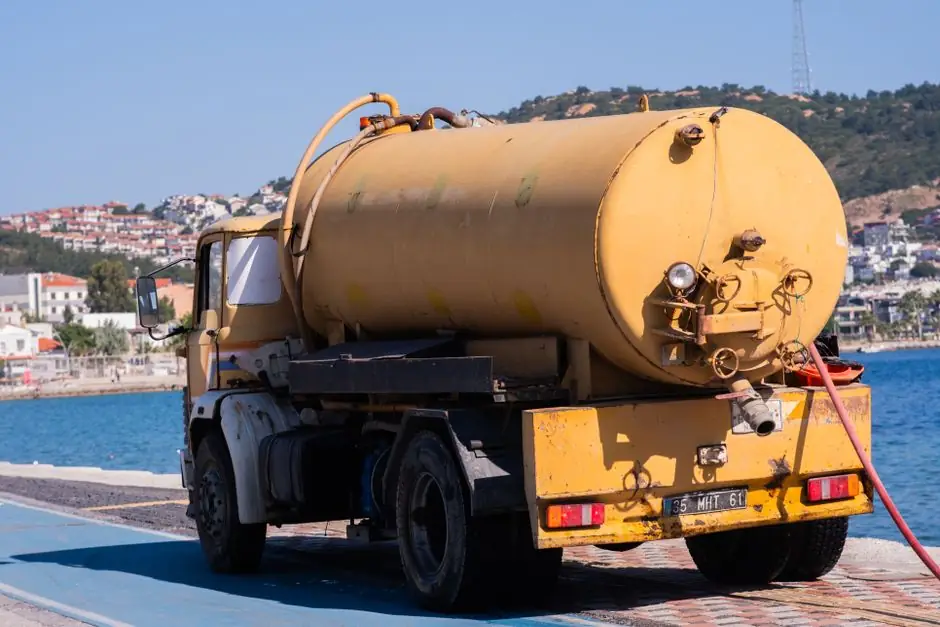
Tank containers in urban infrastructure service follow a recurring maintenance loop of inspection, cleaning, pressure testing, and certification, with the periodic test interval set at 2.5 or 5 years per the applicable ISO/design approval regime and the operational inspection frequency driven by hazard class [S4][S5].
Operators running these assets inside or near cities face tighter constraints than over-the-road fleets: limited depots, restricted wash-water handling, and proximity to mixed-use zoning all push maintenance toward documented, test-backed procedures rather than informal field repair [S3][S5].
Periodic Test Interval and What It Covers
Pressure testing on ISO tank containers is performed on a routine cycle of every 2 to 5 years, with the exact interval set by age, cargo class, and the applicable design approval regime [S4]. New containers receive an initial pressure test before first use, and heavily used or hazardous-material units are pulled in for retest more frequently than the nominal 5-year window [S4].
Industry data from tank depot services shows that containers tested on a five-year interval experienced a 35% reduction in sudden pressure-related failures compared with longer gaps, and 15% longer service life when paired with routine cleaning and seal replacement [S5]. The periodic test combines a hydrostatic shell test, leak-tightness test of the manhole and fittings, and a frame inspection, and the result is recorded against the tank's data plate and approval certificate [S4][S5].
Monthly and Biannual Inspection Tasks
Monthly visual checks identify early signs of rust, gasket set-down, loose fittings, and external coating damage; depot data links this cadence to roughly 40% lower odds of significant damage developing before the next formal inspection [S5]. Biannual internal examinations target residue buildup and internal corrosion, and operators running them on this cadence report 30% fewer unplanned repair events [S5].
Valves, gaskets, and seals account for over 30% of reported ISO tank failures when left on a wear-and-tear cycle, so the inspection checklist treats these components as consumables with a defined replacement trigger rather than a fit-and-forget item [S4][S5]. Ultrasonic Thickness Testing (UTT) is now standard for wall-thickness verification, and over 75% of tanks flagged for early corrosion by UTT showed no visible external signs beforehand, which is why UTT sits inside the periodic test rather than as an optional extra [S5]. Dye penetrant inspection is used alongside visual checks and has shown a 25% uplift in defect detection at the depot level [S5].
Cleaning, Sanitization, and Cross-Contamination Control
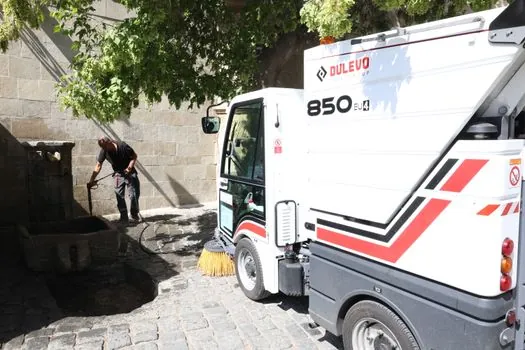
Thorough cleaning after every shipment is the baseline for any tank carrying food-grade, chemical, or multi-customer loads; depot figures put the contamination and internal-corrosion risk at about 20% lower for tanks cleaned between every load versus those cleaned less frequently [S5]. For hazardous or food-grade service, the wash procedure, detergent selection, and final rinse criteria follow cargo-specific protocols, and the wash water is handled as a controlled waste stream at the depot rather than discharged on site [S3][S5].
External coatings and linings extend service life by roughly 5 years on average when maintained with annual reapplication, and the cost of a coat-and-inspect cycle is consistently lower than a shell-section replacement triggered by coating breakdown [S5]. For urban operators, this matters because depot access is often constrained, and a tank pulled off-lease for shell repair costs more in lost service days than a planned coating campaign [S3].
Spare Parts, Service Networks, and Downtime
Spare parts availability directly drives downtime: gaskets, manway seals, valves, PRDs, and frame wear plates are the high-turnover items, and stocking them at depot level is what allows a periodic-test failure to be turned around without sending the tank to a remote workshop [S3]. Independent service center networks spread across a region are the practical way to keep transit times short, and certified registered inspectors are the personnel authorized to sign periodic-test certificates back into the data plate [S3].
Selection between in-house cleaning and contract cleaning depends on cargo mix; basic water and detergent cleaning is feasible in-house, but chemical, food-grade, or hazardous cargo residue typically needs a depot with proper wash-rack, effluent handling, and gas-freeing capability [S4][S5]. Routine parts replacement (seals, gaskets, small-bore valves) can be handled in-house by trained technicians, while welding on the shell, frame repairs, and re-certification work must be done at an approved facility [S3][S4].
Decision Criteria: In-House Versus Contracted Maintenance
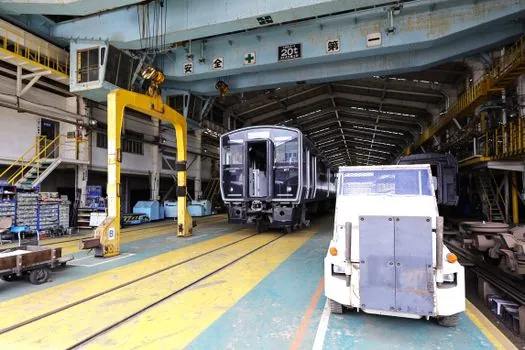
Choosing where each maintenance task lives depends on four criteria: regulatory scope, equipment capability, throughput, and downtime cost. Periodic pressure testing and any work touching the approval certificate must be done at an approved depot with certified inspectors, regardless of fleet size [S3][S4].
For operators running a small urban fleet (under 50 units) with mixed cargo, contracted depot service typically wins on turnaround time and parts access; for a single-cargo high-utilization fleet (chemical, food-grade) above 100 units, an in-house bay plus annual contract support usually pays back in avoided demurrage [S3][S5].
Failure Modes, Limits, and When to Escalate
The most common failure modes in service are seal/gasket degradation (over 30% of reported failures), external corrosion from coating breakdown, internal corrosion from residue holdover, and frame cracking around the corner castings [S5]. Each of these is detectable inside the standard inspection cadence, which is why skipping the monthly visual or biannual internal check is the single biggest controllable risk in the maintenance loop [S4][S5].
When UTT reports wall thickness below the minimum value on the data plate, or when dye penetrant shows a crack at a weld or corner fitting, the tank is removed from service for repair or scrap; welding repairs on the shell require approved-procedure welders and a follow-up pressure test before the unit returns to service [S4][S5]. For tank container assets in urban deployment, the practical escalation point is any finding that would change the data-plate rating, not cosmetic damage, and that threshold is what the periodic test exists to police.
Two signals to track into late 2026: regulatory tightening of wash-water handling at urban-adjacent depots, and the spread of real-time telematics that log valve cycles and PRD events between depot visits, both of which are likely to reshape the maintenance checklist rather than the underlying industrial valve and seal technology [S3][S5]. Maintenance teams pairing depot-based periodic tests with in-house pre/post-trip checks and stocked gasket sets are the operational baseline that holds up under urban-infrastructure constraints.
For related coverage, see Spec-First Map for Additive Manufacturing Materials in Electronics.