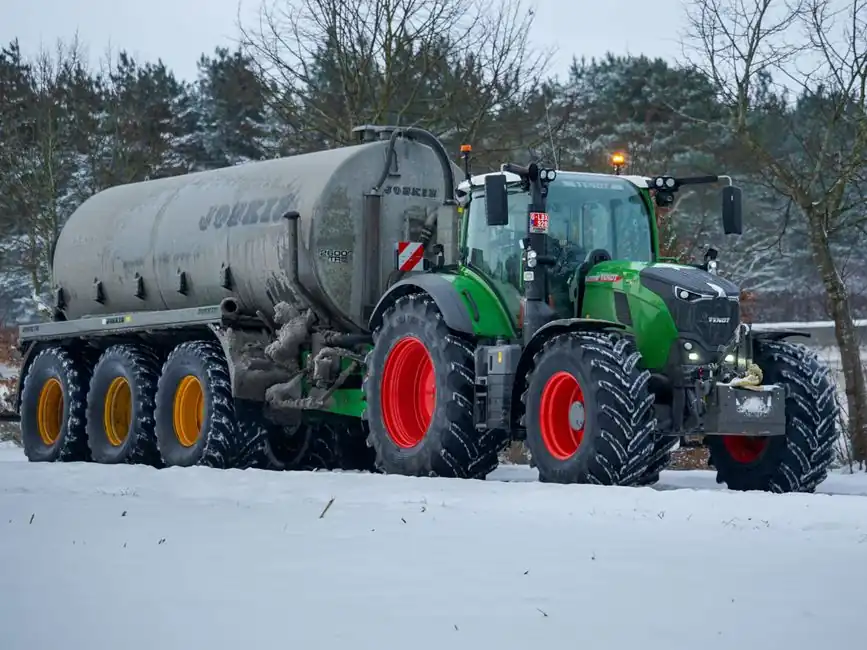
Agricultural tank selection is a duty-based engineering decision, not a volume-only purchase: stock polyethylene units from 75 L up to 25,000 L serve general on-farm water, GRP sectional and one-piece tanks cover potable and dairy washdown, stainless-steel ISO tank containers built into a 20 ft frame handle bulk liquid freight, and steel double-wall vessels from 275 to 90,000 gal manage fuel, LPG, and NGL service [S1][S2][S3][S4][S5].
The dominant risks on a working farm are duty mismatch, material degradation under UV or chemical exposure, and compliance gaps with EPA, NFPA, and WRAS where potable or fuel service applies; the sections below map the option space against capacity, material, application, and standards so the spec aligns with the crop, livestock, or freight profile [S3][S4][S5][S6].
Capacity Bands and What They Are Good For
Static on-farm tanks resolve into four practical bands: 75–1,000 L for garden, livestock trough top-up, and small chemical mixing; 1,200–6,000 L for smallholder irrigation, dairy parlour reserve, and household-plus-yard duties; 6,000–25,000 L for commercial cropping, larger herd drinking systems, and yard washdown; and above 25,000 L only as sectional or bolted GRP for true bulk storage [S1][S5]. Plastic (polyethylene) units carry 50–10,000 gal capacities in the general ag market, and concrete or GRP takes over for larger permanent reservoirs, with concrete described as very durable and fire-resistant but heavy and costly to install [S4]. For liquid bulk that has to move, the ISO tank container is a 20 ft stainless-steel vessel inside a standard container frame, used for bulk liquids including food-grade and chemical cargo, which keeps it on the same chassis, vessel slot, and handling chain as a dry box [S2]. The related reference tank container selection for port and terminal operations covers the same hardware from a freight handling angle, useful context for any grower shipping molasses, liquid fertiliser, or edible oil.
Material Comparison: PE, GRP, Steel, Stainless, Concrete
Material is the single biggest selector once duty is fixed. Polyethylene is lightweight, corrosion- and UV-resistant, inexpensive, and dominates the 50–10,000 gal static storage tier, but is described as less durable than alternatives and likely to need replacement within a few years [S4]. GRP (glass-reinforced plastic) is corrosion-resistant, UV-stabilised, available in compact one-piece or large sectional formats, and is the standard recommendation for livestock drinking, dairy parlour washdown, rainwater harvesting, and farm food processing, including the four Tricel configurations of one-piece, sectional, rainwater, and fire-water tanks [S5]. Steel tanks are stronger, hold larger volumes, and resist fire, but cost more and need regular maintenance to prevent rust; double-wall steel with leak detection is the usual spec for farm fuel and LPG service, with EPA and NFPA compliance as the gating requirements [S3][S4]. Stainless steel (typically 304/316 grade) is the standard ISO tank container shell material for bulk-liquid freight of food-grade and chemical cargo, paired to a frame built to ISO 1496/6346 dimensions for 20 ft handling [S2]. Concrete is the most durable and fire-resistant permanent option, but heavy, hard to install, and expensive to build [S4].
Water Duty Separation: Potable, Livestock, Irrigation, Washdown, Fire
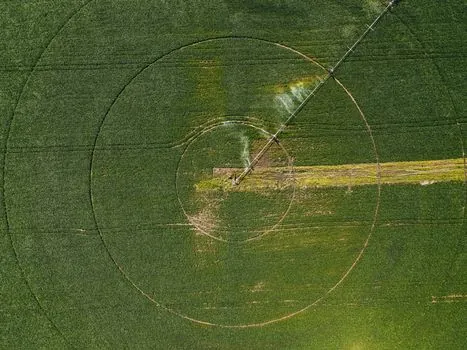
Duty separation is the most under-specified step on a real farm. GRP tank guidance explicitly states that livestock, potable, washdown, irrigation, crop spraying, rainwater, and fire-water uses should be clearly defined before tank selection, with potable tanks and fittings meeting the relevant potable standard (WRAS approval in the UK context) where livestock drinking or food processing is the duty [S5]. Crop type matters because rice and other water-intensive crops drive irrigation storage far higher than drought-tolerant species, and drip irrigation reduces stored volume relative to sprinkler systems on the same acreage [S4]. A livestock drinking tank is sized to herd or flock size, daily water demand, refill rate, trough distribution, and frost protection; a dairy parlour washdown tank adds hygiene-cycle demand on top, and a crop-spraying tank is a separate duty that should not be cross-fed with potable or livestock lines [S5]. Where fire-water reserve is required, sectional GRP and dedicated fire-water tanks are the typical spec, and a poor specification can lead to inadequate supply, insufficient cleaning water, cross-contamination between potable and non-potable systems, and seasonal shortfall [S5].
Fuel, LPG, and NGL Service Tanks
For energy service on the farm, the spec splits into three capacities. On-site fueling of tractors and combines uses steel tanks from 275 to 2,300 gal with EPA and NFPA compliance, double-wall construction, leak detection, and proper venting; LPG or NGL storage vessels use standard sizes of 12,000; 18,000; 30,000; 60,000; and 90,000 gal for grain dryers and heating; LPG transport trailers add a mobile option at 10,600 to 12,600 gal [S3]. On-site storage avoids fuel-delivery waits during harvest and supports grain dryer uptime, which is the operational argument behind the larger LPG/NGL sizes; built-in double-wall construction, leak detection, and proper venting are the cited safeguards against spills [S3]. The reference industrial lubricant selection for energy equipment is a useful adjacent read for the same farms running pumps, gearboxes, and grain-handling conveyors on the same duty profile.
ISO Tank Container Use in Agriculture Freight
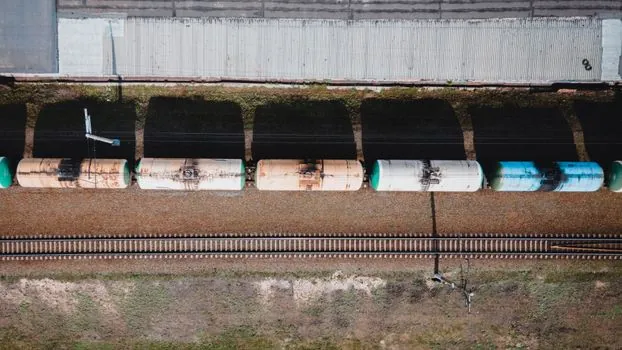
Bulk-liquid agricultural freight, including liquid fertiliser, molasses, edible oils, and approved food-grade chemicals, moves in stainless-steel ISO tank containers built into a 20 ft frame, which carry food-grade liquids and chemicals on standard container vessels, chassis, and handling slots [S2]. Selection criteria for an ISO tank over a drum, IBC, or flexitank are cargo volume, food-grade vs chemical-grade service, route availability, and carrier approval, with the cheapest equipment not always the safest option because a wrong container choice can lead to rehandling charges, carrier rejection, OOG surcharges, cargo damage, temperature claims, or missed vessel loading [S2]. The related reference tank container selection for quarrying covers the same hardware class for a different bulk liquid duty, useful for the cross-industry comparison. Ventilated containers are the freight-side option for coffee, cocoa, and dried agricultural goods, while controlled-atmosphere reefers extend shelf life of fresh produce; both sit outside the tank-container family but share the same selection logic of matching hardware to cargo duty [S2].
Site, Location, and Climate Considerations
Site factors are the most common reason a correct-on-paper spec fails in service. Tank location should allow easy filling, emptying, maintenance, and cleaning access; siting should keep the tank away from traffic, hazards, vandalism, and theft; UV and temperature exposure must be inside the material envelope, with polyethylene and GRP both UV-stabilised for outdoor use, while steel requires rust-prevention maintenance and concrete handles fire-prone sites at the cost of weight [S4][S5]. For larger farms, dairies, and irrigation systems, the seasonal demand profile drives capacity, not the daily average, and storage should be specified against peak demand rather than nominal volume [S5]. When comparing a polyethylene tank to a GRP sectional tank for the same volume, the practical trade-off is install simplicity and unit cost (PE) versus long service life, sectional scalability, and verified potable or fire-water approvals (GRP), and the farm's water duty is the tiebreaker [S1][S4][S5].
Compliance and Sourcing Signals
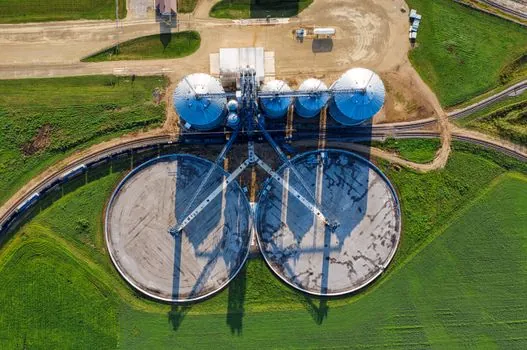
Compliance gates fall into three buckets: potable service (WRAS approval and food-grade liner or stainless), fuel service (EPA and NFPA standards with double-wall, leak detection, and venting), and freight service (ISO 1496/6346 frame compatibility and carrier approval for OOG or special-equipment bookings) [S2][S3][S5]. A wrong-classified tank can attract fines, downtime, and insurance claim rejection, so compliance should be sourced from the manufacturer or supplier documentation, not inferred from brochure copy. Trackable signals for the next sourcing cycle are: the appearance of larger 25,000 L+ GRP sectional units for dairy and irrigation, the spread of double-wall leak-detection steel fuel tanks in the 275–2,300 gal on-farm band, and any revision of NFPA 30/30A separation distances for farm fuel installs, all of which will tighten the spec map further over the next two seasons.
Detailed specification references: tank container, ibc tank, and tank cleaning machine.